Central American Coffee Beans: Flavors, Origins, What to Buy

Central American coffee beans are mostly high-grown arabica from Guatemala, Honduras, Nicaragua, El Salvador, Costa Rica and Panama. They give you a clean, sweet, balanced cup that works in a drip machine, a pour-over or an espresso machine. For an everyday bag, start with Costa Rica: bright, sweet and easy to brew. We roast our Costa Rica single origin only after you order it, so it reaches you fresh instead of sitting in a warehouse.
This guide covers which countries count, what each one tastes like, why altitude and processing matter more than the name on the bag, and how to read a label so you know what you are getting.
TL;DR
- Central America, as the National Coffee Association draws it, includes Guatemala, Honduras and Costa Rica. Mexico sits in a separate North America group.
- Rough flavor map: Guatemala is chocolatey and spicy, Honduras and Nicaragua are caramel and nut, El Salvador is milk-chocolate sweet, Costa Rica is bright with red fruit, and Panama is floral and delicate.
- Altitude and processing shape the cup as much as the country, so read those two lines on the bag.
- Freshness decides whether any of this reaches your mug. A roast date beats a pretty origin story.
- Our Costa Rica is roasted after you order and ships in 3 to 7 business days, whole bean or ground for your brewer.
In this guide
- Which countries count as Central American coffee?
- What each country tastes like
- Why altitude and processing matter more than the country
- How to read a bag of Central American coffee
- Matching the origin to your machine
- Which Central American coffee should you start with?
- Why freshness matters more than the flag
- Our view: pick the farm and the date, not the label
- Try a Central American coffee roasted for you
- FAQ
- Sources
Which countries count as Central American coffee?
The strict list is the seven countries on the land bridge between Mexico and Colombia. For coffee, six matter most: Guatemala, Honduras, Nicaragua, El Salvador, Costa Rica and Panama.
Mexico is the usual point of confusion. The National Coffee Association’s origins guide files Mexico under North America and the Caribbean, and lists Costa Rica, Guatemala and Honduras under Central America. Many sellers still group Mexican coffee with its southern neighbors because the farms, altitudes and flavors overlap. So if a bag says “Central American blend” and includes Mexico, that is a marketing grouping, not a geographic one.

Size varies a lot. A MyCoffeeBeans overview, citing USDA forecasts for 2026/27, puts Honduras first by volume, ahead of Guatemala, Nicaragua, Costa Rica and El Salvador. The USDA publishes its Coffee: World Markets and Trade report on a schedule through the year, so the numbers move with each release. Volume is not quality, though. Costa Rica grows far less than Honduras and is still among the best-known origins in the region.
What each country tastes like
Coffee Review’s classic profiles of Central America give a useful shorthand. Here it is with a few details from other published guides, and what each means in your cup.
| Origin | Typical cup | What to expect |
|---|---|---|
| Guatemala | Deep, lush, lightly fruity; spicy or chocolatey with a citric note | Medium to full body. Antigua, Cobán and Huehuetenango are the best-known regions. |
| Honduras | Similar to Nicaragua but deeper, with more chocolate | Full-bodied, moderately sweet, juicy acidity with apricot and chocolate, per Forbes |
| Nicaragua | Caramelly, nutty, a hint of citrus | Medium body, clean acidity |
| El Salvador | Milk-chocolate velvetiness, dried fruit | Sweet and juicy |
| Costa Rica | Ripe red fruit such as cherries and apples | Washed arabicas with medium body and sharp acidity |
| Panama | Dark chocolate tones, elegant florals | Light, tea-like Geisha from Boquete is the famous style |
A few details are worth knowing.
Guatemala: spice and cocoa
The National Coffee Association describes Guatemalan coffee from Antigua, Cobán and Huehuetenango as medium to full-bodied, spicy or chocolatey with a citric note. “Strictly hard bean” grades come from farms at 4,500 feet or higher. If you drink dark-leaning espresso or a bold morning drip, Guatemala is where you feel at home.
Honduras and Nicaragua: the easy middle
These are the caramel-and-nut cups. Forbes describes Nicaraguan coffees from Caturra or Bourbon trees as medium-bodied with clean acidity and lifted citrus or floral notes. They suit people who find very bright coffee sharp and very dark coffee flat.
El Salvador: sweet and juicy
Yes, El Salvador makes very good coffee. Forbes credits heirloom Bourbon trees that survived the country’s civil war and the 1990s price collapse for its rich, sweet cup profile. Coffee Review gave a Bourbon coffee called La Lagunita 92 points, noting a distinct chocolaty character, cantaloupe-like fruit and a fresh tobacco note.
Costa Rica: bright and clean
Costa Rica is grown mostly on small farms in Tarrazú, Tres Ríos and Naranjo, with a dry season from November to April, according to the National Coffee Association. Forbes adds that the country has a long coffee history, while its specialty grade is a newer story tied closely to the honey process. Expect creamy sweetness, berry, apple and brown sugar with lively acidity.
Panama: the luxury end
Panamanian Geisha from Boquete first won the Best of Panama competition in 2004, per Forbes, and is known for jasmine, citrus and tea-like delicacy. It is a special-occasion coffee, and it is priced like one.
Why altitude and processing matter more than the country
Two bags from the same country can taste very different. Two things explain most of the gap.
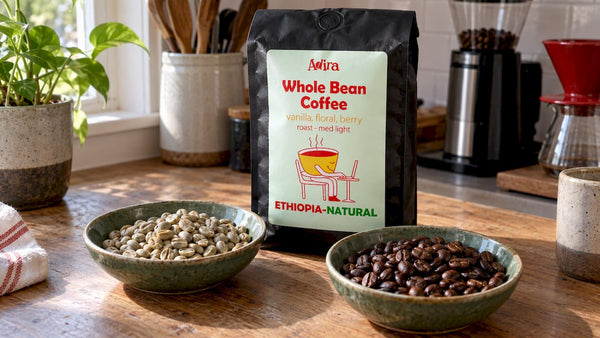
Altitude. Higher farms are cooler, so cherries ripen slowly and build more sugar and flavor. That is why grades are tied to elevation: Costa Rica’s strictly hard bean must be grown at 1,200 meters or higher, and Tarrazú received Denomination of Origin status in 2019. We go deeper in our guide to altitude and coffee taste.
Processing. This is how the bean is separated from the fruit around it.
- Washed: the pulp and sticky layer are removed before drying. The cup is clean and bright.
- Natural: the whole cherry dries intact. Perfect Daily Grind’s profile of a Salvadoran farm describes naturals as the fruitiest, full-bodied and most complex.
- Honey: the fruit is removed but some sticky layer stays on during drying. The same profile describes yellow honey as very sweet and black honey as very sweet and chocolatey. In Costa Rica the method adds sweetness and body while keeping washed-style brightness. Our explainer on honey processed coffee covers the details.
The practical lesson: when two bags both say “Guatemala”, the one that names a region, an altitude and a process will tell you far more about the cup than the country does. For the bigger picture, see how origin shapes flavor and what terroir means for coffee.
How to read a bag of Central American coffee
You do not need a cupping score to judge a bag. Check six things.
- Roast date. Look for a real date, not just a “best by” date that is a year away. Coffee is at its best in the weeks after roasting, so the closer the date, the better. A bag roasted to order removes the guesswork, because it is roasted after you buy.
- Country and region. “Costa Rica, Tarrazú” says more than “Central American blend”.
- Altitude or grade. Strictly hard bean (SHB) tells you the coffee grew high. Higher usually means denser beans and more defined acidity.
- Process. Washed, natural or honey. If you like clean and bright, choose washed. If you like sweet and round, look at honey.
- Roast level. Medium roasts show the origin’s sweetness and fruit. Darker roasts push toward bittersweet chocolate and smoke, which hides regional differences.
- Grind. Whole bean keeps flavor longest, but a bag ground for your brewer saves a step if you do not own a grinder.
The first item is where most supermarket bags fail. They are often roasted weeks or months before you open them, which flattens the sweetness that makes Central American coffee worth buying.
Matching the origin to your machine
Central American coffees are forgiving, which is why they are the standard “house coffee” in so many kitchens.
- Drip machines (Moccamaster, Cuisinart, Mr. Coffee, OXO, Ninja): a medium roast from Guatemala, Honduras or Costa Rica gives a clean, sweet pot that holds up well over a morning.
- Pour-over and AeroPress (V60, Chemex): Costa Rica and Guatemala from higher regions show their citrus and red fruit best at this scale.
- French press: Guatemala and Honduras lean toward chocolate and body, which is what a press rewards.
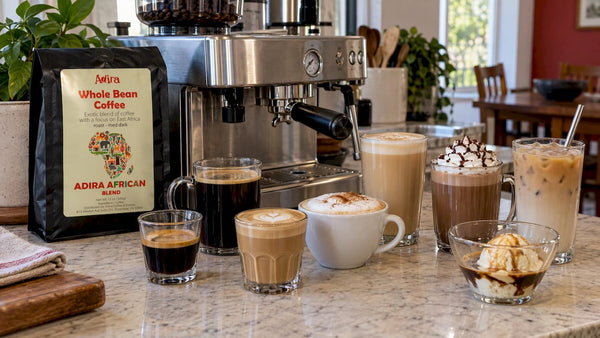
- Espresso (Breville, De’Longhi, super-automatics): a medium roast from Central America gives caramel and chocolate with enough acidity to cut through milk. We have a guide to medium roast espresso beans for home baristas.
- Cold brew and iced lattes: the sweet, low-bitterness profile of Honduras, Nicaragua and El Salvador-style coffee is easy to chill.
Whatever you brew with, the grind and ratio change the result more than anything else. Every bag we ship comes with a starting recipe for the machine you own, so your first cup is a sensible one and not a guess.
Which Central American coffee should you start with?
Pick by how you drink your coffee.
| If you like | Look for |
|---|---|
| Bright, clean, a little fruity | Costa Rica |
| Chocolate, spice, full body | Guatemala |
| Caramel and nuts, nothing sharp | Honduras or Nicaragua |
| Sweet, juicy, milk-chocolate | El Salvador |
| Delicate and floral, a treat | Panama Geisha |
For most home brewers the first choice is Costa Rica, and that is where we send you. It is the Central American origin we roast, sourced as all our single origins are from cooperatives and small farms, and it handles drip, pour-over and espresso. Browse the single origin collection for the rest of the line, including Colombia and our medium-roast Mexico. Mexico is a close neighbor with a similar sweet, mellow style, though by the National Coffee Association’s map it is North American.
Why freshness matters more than the flag
A great origin cannot rescue a stale bag. Once coffee is roasted, the aromatic compounds that make it taste of cherries, caramel or cocoa fade. That is why we roast after you order and ship within 3 to 7 business days. A fresh Costa Rica from a small farm will beat a famous origin that sat on a shelf.

Purchase format matters too. If you drink a bag every couple of weeks, Monthly Sender delivery every 2 weeks or every month saves up to 15%, with the 1 lb bag at 12% off, about $1.21 a cup. Every Monthly Sender delivery ships free, and you can skip, pause or cancel anytime. New customers get free shipping on the first bag with the code FIRSTBAG, and orders over $35 always ship free. Our free Adira Club adds a stamp for every bag, and 12 stamps bring a free bag.
Our view: pick the farm and the date, not the label
We started Adira because we could not find a supermarket coffee worth a second cup. The difference was never the country on the bag. It was how long the coffee had been sitting.
That is why we roast after you order. When you pair a good Central American origin like Costa Rica with a roast that is days old, the sweetness and fruit that people write about in tasting notes show up in an ordinary kitchen with an ordinary machine.
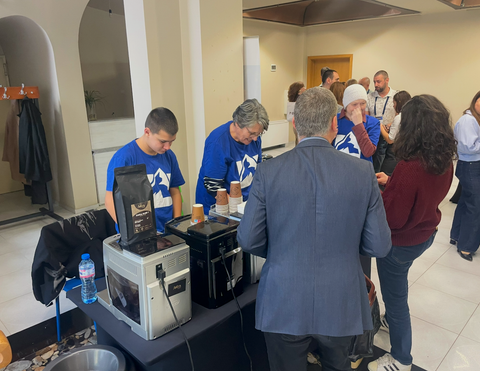
We also think everyday purchases should do some good. From every bag, $1 goes to young leaders in Bulgaria: free coffee at the gatherings where they meet, practical teaching about business and money, and time spent alongside the next generation. So your morning cup is better, and it helps someone else too.
If you are not sure where to start, begin with one bag and the brewing recipe for your machine. You will taste the difference in the first week.
Stefan
Try a Central American coffee roasted for you
Our Costa Rica is roasted after you order and ships in 3 to 7 business days, whole bean or ground for your brewer, with a starting recipe for the machine on your counter. Use the code FIRSTBAG for free shipping on your first bag. If you want it to simply show up, set up Monthly Sender and skip or pause whenever you like.

If you are buying as a gift for a pastor, a parent or a coworker, a small-batch single origin with a story behind it makes a better present than another chain-brand bag.
FAQ
Does El Salvador have good coffee beans?
Yes. Forbes credits El Salvador’s surviving heirloom Bourbon trees for a rich, juicy, sweet cup, and Coffee Review gave its classic Bourbon coffee La Lagunita 92 points. Expect milk-chocolate sweetness and dried fruit rather than sharp acidity.
Is Costa Rica famous for its coffee?
Yes. The country has a long history of coffee growing, and its small farms in Tarrazú, Tres Ríos and Naranjo are known for washed arabicas with medium body and sharp acidity, according to the National Coffee Association. Its specialty reputation is newer and tied to the honey process. Our Costa Rica single origin is the place to start.
Is Mexican coffee Central American?
Geographically, no. The National Coffee Association lists Mexico under North America and the Caribbean, with Costa Rica, Guatemala and Honduras under Central America. In the cup, Mexican coffee is often similarly sweet and mellow, which is why many sellers group them. Our medium-roast Mexico is a good companion to a Central American bag.
What roast is best for Central American beans?
Medium is the safe choice for drip, pour-over and espresso. It keeps the sweetness, fruit and cocoa that define the region, while darker roasts push everything toward smoky bitterness. For help matching roast and grind to your machine, our flavor profile guide is a good next read.
Sources
- Coffee regions of the world, National Coffee Association
- Classic Coffees from Central America, Coffee Review
- A Beginner’s Guide To Central America’s Acclaimed Coffee Regions, Forbes
- Central American Coffee: Who Grows What, and How, MyCoffeeBeans
- Exploring Processing Methods on a 10-Times COE-Winning Farm, Perfect Daily Grind
- Costa Rica Tica Linda Honey Women Producers SHB/EP, Grounds For Health
Recommended
Brew it with the right coffee
The bag this guide was written around. Roasted after you order, shipped from California.
More to try
All coffee Dark roastLightDark
Adira Blend
Dark chocolate, Caramel, Roasted nuts
Invests in young leaders in Bulgaria
$24.99
 Medium-light roastLightDark
Love Blend
Milk chocolate, Caramel, Floral lift
Invests in young leaders in Bulgaria
$24.99
 Medium-dark roastLightDark
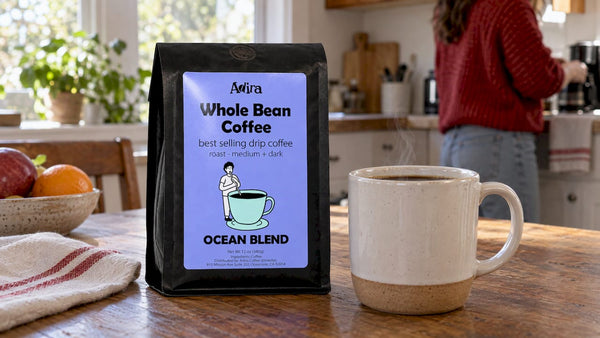
Ocean Blend
Cocoa, Soft caramel, Clean vanilla finish
Invests in young leaders in Bulgaria
$24.99
Never run out.
Never pay shipping.
Any Adira coffee with Monthly Sender: up to 15% off every delivery, free shipping every time, skip, pause or cancel whenever you like.
Set up Monthly Sender