
TL;DR:
- Single-origin coffee is sourced exclusively from one farm, region, or cooperative, allowing its flavor to reflect its unique terroir. The flavor profile varies based on environmental factors like altitude and processing method, with high-grown beans generally offering more complexity and acidity. Proper brewing techniques, roast level, and freshness are essential to fully appreciate the distinct characteristics of each single-origin coffee.
Single-origin coffee is defined as coffee sourced exclusively from one farm, region, or cooperative, making its flavor directly traceable to a specific place on earth. That traceability is what separates a coffee single from a blend. Blends combine beans from multiple origins to create consistency. Single-origin coffees do the opposite. They let the soil, altitude, and climate of one location speak for itself. The Specialty Coffee Association (SCA) defines specialty grade as scoring 80 or above on its cupping scale, and most serious single-origin offerings meet or exceed that threshold.
What flavor profiles can you expect from a coffee single?
The flavor of a single-origin coffee is shaped by where it grows. Altitude, rainfall, soil composition, and local processing traditions all leave a mark in the cup. That combination of environmental factors is called terroir, a concept borrowed from wine but equally relevant to coffee.
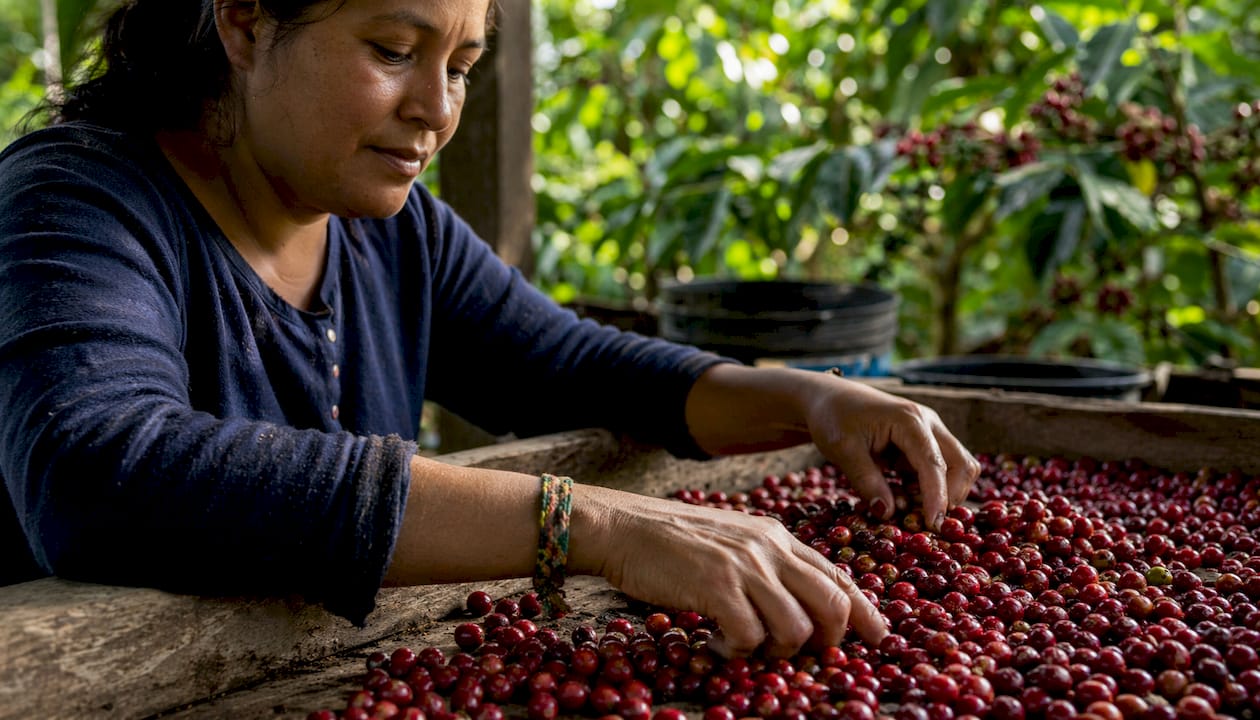
Regional flavor profiles follow predictable patterns once you know what to look for. Ethiopian coffees tend toward floral and citrus notes, often with a tea-like body. Kenyan coffees deliver wine-like acidity with blackcurrant and grapefruit character. Sumatran coffees run earthy and full-bodied, with chocolate and spice. Central American coffees, including those from Colombia, Costa Rica, and Mexico, land in the middle: balanced, with chocolate and fruit tones that work well across many brewing styles.
| Region | Acidity | Dominant Flavors | Common Processing |
|---|---|---|---|
| Ethiopia | High | Floral, jasmine, citrus | Washed, natural |
| Kenya | High | Blackcurrant, grapefruit | Washed |
| Sumatra | Low | Earthy, chocolate, spice | Wet-hulled |
| Colombia | Medium | Caramel, red fruit, chocolate | Washed |
| Costa Rica | Medium | Honey, citrus, clean finish | Honey, washed |
| Mexico | Low-medium | Nutty, mild chocolate | Washed |
Altitude is the single biggest driver of acidity and complexity. Coffees grown above 1,500 meters tend to develop denser beans with more nuanced flavor. That is why high-grown Ethiopian and Kenyan lots consistently score at the top of SCA cupping sessions. Adiracoffee sources from cooperatives and small farms across Ethiopia, Colombia, Costa Rica, Mexico, and Sumatra, which means each origin in their catalog reflects a genuinely distinct growing environment.
Pro Tip: If you are new to single-origin coffee, start with a Colombian or Costa Rican lot. Their balanced profiles make the shift from blends easier without sacrificing flavor complexity.
Experimental processing is also reshaping what single-origin can taste like. Anaerobic fermentation and carbonic maceration, techniques borrowed from winemaking, are now appearing on specialty roasters’ menus. These methods can push fruit-forward flavors far beyond what the terroir alone would produce, which is exciting but also means the label “single-origin” no longer guarantees a traditional regional profile.
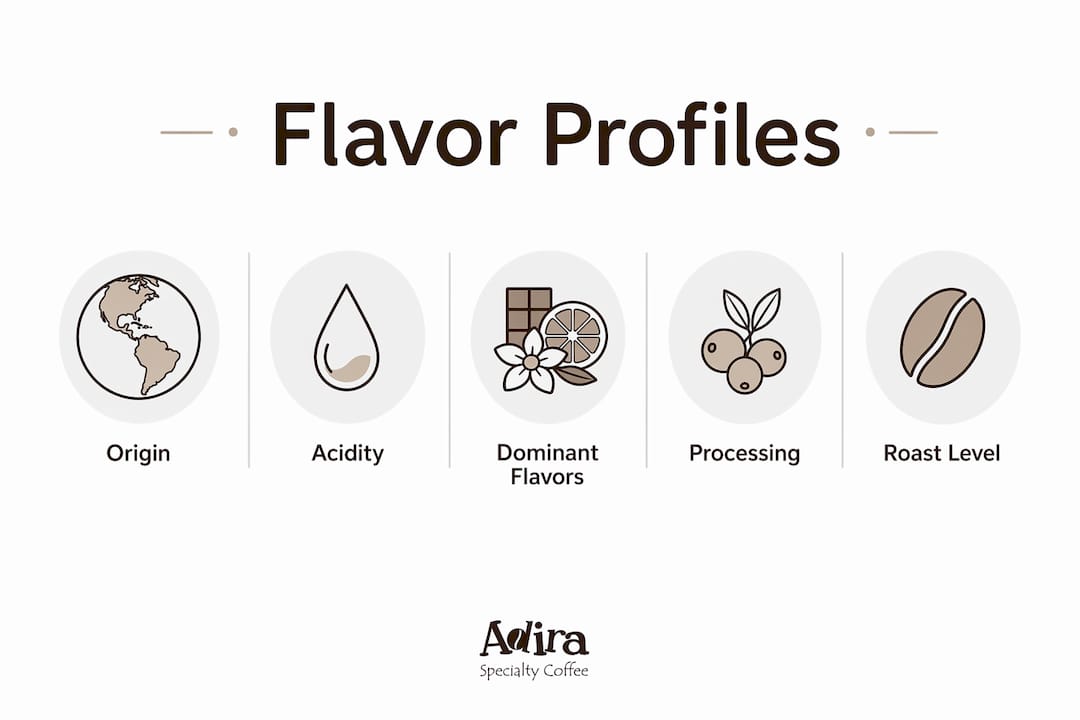
How do processing and roast level change the flavor?
Coffee processing methods define the flavor foundation before roasting even begins. The three main methods each produce a distinct result:
- Washed (wet): The fruit is removed before drying, producing a clean, bright cup where origin character comes through clearly.
- Natural (dry): The whole cherry dries with the fruit intact, creating a fruit-forward, heavy-bodied profile with natural sweetness.
- Honey: A middle path. Some fruit mucilage stays on the bean during drying, adding sweetness and body without the full intensity of a natural process.
Roast level then determines how much of that processing character survives into the cup. Light roasts preserve the bright, floral, and acidic notes that define a coffee’s origin. Medium roasts balance origin character with roast-derived sweetness. Dark roasts push roast flavors to the front, often masking the terroir signature entirely. This is the most common mistake buyers make: choosing a dark roast for a delicate Ethiopian natural and wondering why it tastes flat.
The interaction between processing and roast level matters more than either factor alone. A naturally processed Ethiopian coffee at a light roast will taste like blueberry and jasmine. The same bean roasted dark will taste like dark chocolate with little trace of fruit. Neither is wrong, but only one showcases what makes that origin worth buying.
Pro Tip: For your first single-origin purchase, ask the roaster for their recommended roast level for that specific lot. Adiracoffee roasts to order in small batches, so the roast profile is matched to the bean, not the other way around.
Which brewing methods best showcase single-origin coffees?
Brewing method selection directly controls how much of a single-origin coffee’s character reaches your cup. The right pairing amplifies what makes each origin special. The wrong one buries it.
| Brewing Method | Flavor Outcome | Best Origins |
|---|---|---|
| Pour-over (V60, Chemex) | High clarity, bright acidity | Ethiopia, Kenya |
| French press | Full body, low clarity | Sumatra, Brazil |
| AeroPress | Flexible, concentrated | Colombia, Costa Rica |
| Espresso | Concentrated, reduced acidity | Low-acid origins |
| Cold brew | Smooth, sweet, low acid | Sumatra, Colombia |
Pour-over methods like the V60 and Chemex use paper filters that remove oils and fine particles. The result is a clean, transparent cup where floral and citrus notes from Ethiopian or Kenyan coffees come through without interference. Pour-over maximizes clarity in a way that no other method matches for light-roasted, high-acid origins.
French press works in the opposite direction. The metal mesh filter lets oils and fine particles pass through, producing a heavier, more textured cup. That suits earthy, full-bodied Sumatran coffees well. The added body complements the chocolate and spice notes rather than fighting them.
Espresso concentrates everything, including acidity. High-acid origins like Kenya can become sharp and unpleasant under espresso pressure. Lower-acid origins with chocolatey profiles, such as Colombian or Sumatran lots, handle espresso extraction far better. There is also a technical point worth knowing: single-origin espresso roasts differ from filter roasts. Using a filter-roast bean for espresso often results in excessive acidity and bitterness.
Cold brew is an underrated format for single-origin coffee. The long, cold extraction pulls sweetness and body while leaving harsh acids behind. Adiracoffee’s cold brew options are built around this principle, making them a practical way to experience single-origin flavor without any brewing equipment beyond a jar and patience.
Pro Tip: AeroPress is the most forgiving brewer for experimenting with single-origin coffees. You can adjust steep time, water temperature, and grind size quickly, which makes it ideal for dialing in an unfamiliar origin.
How do you assess sourcing and freshness when buying single-origin coffee?
Freshness is the most overlooked quality factor in single-origin coffee. Roasted coffee older than four weeks loses much of its aromatic complexity, especially for delicate single-origin beans. The roast date on the bag is the only reliable freshness indicator. A “best before” date tells you nothing about when the coffee was actually roasted.
Optimal freshness for filter brewing falls within six weeks of the roast date. Buying coffee without a printed roast date is a risk not worth taking. Adiracoffee ships within days of roasting, which means the clock starts in your favor.
Transparent sourcing information is the second quality signal. A trustworthy single-origin listing includes:
- Farm or cooperative name so you can verify the source.
- Region and country for terroir context.
- Elevation because altitude directly predicts flavor complexity.
- Processing method so you know what flavor profile to expect.
- Harvest year because coffee is seasonal and crop quality varies.
Specialty-grade coffee must score at least 80 points on the SCA cupping scale. That score is a meaningful quality floor. Roasters who publish cup scores alongside sourcing details are giving you the information needed to make a confident purchase. Adiracoffee’s commitment to traceable coffee sourcing reflects this standard directly.
One practical tip: buy smaller quantities from a new roaster before committing to a subscription or large bag. A 250g bag is enough to evaluate freshness, flavor accuracy, and roast consistency. Storage matters too. Keep whole beans in an airtight container away from light and heat. Grind only what you need immediately before brewing. Ground coffee goes stale within hours compared to whole beans, which hold their character for weeks.
Pro Tip: Single-origin is a descriptor of provenance, not a quality verdict. High traceability does not guarantee exceptional flavor if the processing was poor. Always look for the cup score alongside the origin story.
Key Takeaways
Single-origin coffee rewards buyers who understand what to look for: a clear origin, a roast date, a processing method, and the right brewing approach for that specific bean.
| Point | Details |
|---|---|
| Single-origin defined | Coffee from one farm, region, or cooperative, traceable to a specific terroir. |
| Flavor by region | Ethiopia runs floral and citrus; Sumatra runs earthy; Colombia runs balanced and chocolatey. |
| Processing shapes flavor | Washed coffees taste clean and bright; natural coffees taste fruity and heavy. |
| Roast level matters | Light roasts preserve origin character; dark roasts mask it. |
| Freshness is non-negotiable | Buy within four to six weeks of the roast date for full aromatic complexity. |
What I have learned from years of chasing single origins
The biggest mistake I see new single-origin drinkers make is treating origin like a guarantee. They read “Ethiopia” on the bag and expect jasmine and blueberry every time. But coffee is an agricultural product with seasonal variation. A 2024 harvest from the same farm can taste noticeably different from the 2025 crop. That variability is not a flaw. It is the point.
The second mistake is fighting your own palate. If you drink your coffee with milk, a bright, high-acid Ethiopian might not be your entry point. Taste preferences guide origin choices, and there is no shame in starting with a mild Colombian or a smooth Sumatran before working toward the more polarizing profiles. The goal is to build a reference point, not to pass a test.
What I find genuinely exciting about single-origin coffee is how it changes the way you pay attention. Once you start noticing that a washed Kenyan tastes different from a natural Ethiopian, you start asking better questions about everything in the cup. That curiosity is what separates people who drink coffee from people who actually taste it. The flavor profiles by origin are a map, not a destination. Use them to navigate, then trust what you find.
— Stefan
Adiracoffee’s single-origin selections, ready when you are
Adiracoffee roasts single-origin beans from Ethiopia, Colombia, Costa Rica, Mexico, and Sumatra in small batches in California and ships within days of roasting. Every bag carries a roast date, full sourcing details, and a processing method so you know exactly what you are buying before the first brew.
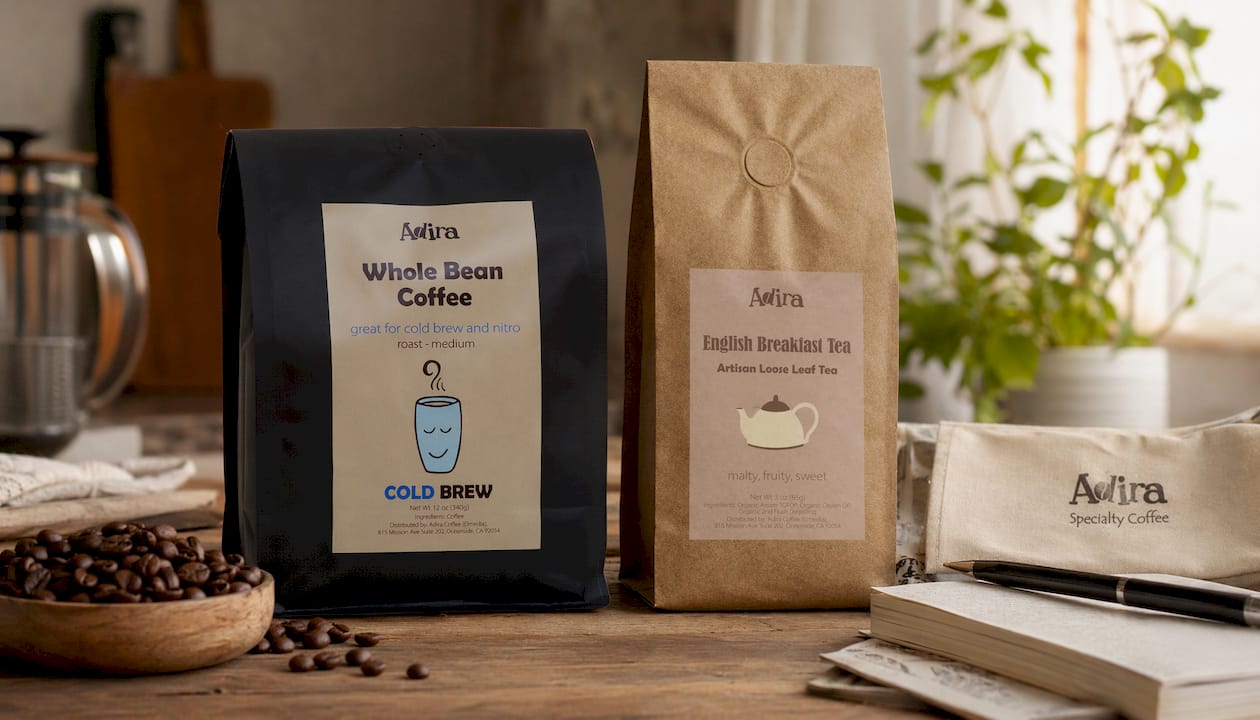
For readers who want to experience single-origin flavor without any brewing gear, Adiracoffee’s cold brew coffee is a ready-made option built around the same traceable, freshly roasted beans. Subscriptions are available with 10% savings, and US shipping is free over $35. If you want to explore something different, the English Breakfast blend is another well-crafted option worth trying alongside your single-origin rotation.
FAQ
What is single-origin coffee?
Single-origin coffee comes from one farm, region, or cooperative, making its flavor directly traceable to a specific growing environment. That traceability distinguishes it from blends, which combine beans from multiple sources.
How does roast level affect single-origin flavor?
Light roasts preserve the bright, floral, and acidic notes tied to a coffee’s origin. Dark roasts push roast-derived flavors forward and often mask the terroir character that makes single-origin coffee worth buying.
What brewing method works best for single-origin coffee?
Pour-over methods like the V60 or Chemex produce the clearest expression of floral and acidic origins. French press suits full-bodied, earthy coffees. AeroPress works across most origins due to its adjustable brewing variables.
How fresh should single-origin coffee be?
Optimal freshness for filter brewing falls within six weeks of the roast date. Coffee older than four weeks loses significant aromatic complexity, particularly for delicate single-origin beans.
Does single-origin mean better quality?
Single-origin describes where a coffee comes from, not how well it was processed or roasted. A coffee can be fully traceable and still taste flat if the processing or roasting was poor. Look for an SCA cup score of 80 or above alongside sourcing details.
Recommended
- The role of origin in coffee flavor: what every aficionado should know – Adira Coffee US
- Discover Unique Coffee Origins for Distinctive Flavor – Adira Coffee US
- How Coffee Origin Shapes Espresso Flavor and Extraction – Adira Coffee US
- Explore the Best Coffee Flavor Profiles for Every Taste – Adira Coffee US