
TL;DR:
- Most coffee drinkers are unaware that a coffee varietal is a genetic classification shaping physical traits and flavor. Understanding varietals helps improve brewing techniques, highlights unique flavor profiles, and supports sustainable coffee farming. Recognizing the importance of varietals is essential for appreciating coffee’s diversity and planning for its future.
Most coffee drinkers can name their favorite origin or roast level, but ask them what a coffee varietal is and you’ll get a blank stare. That gap in knowledge is worth closing. A coffee varietal is a genetic classification that sits below the subspecies level, shaping the plant’s physical traits and what ends up in your cup. It has nothing to do with whether the beans are light or dark roasted, and it goes far deeper than simply knowing a bag came from Colombia. Understanding varietals is the next real step in building your coffee knowledge.
Table of Contents
- Understanding coffee varietals: the science behind the bean
- Heirloom varieties versus cultivars: nature meets human innovation
- How coffee varietals influence flavor and brewing choices
- Climate resilience and the future of coffee varietals
- Choosing and brewing coffee varietals at home
- Why understanding coffee varietals matters more than ever
- Explore top coffee varietals with Adira Coffee
- Frequently asked questions
Key Takeaways
| Point | Details |
|---|---|
| Coffee varietal defined | Varietal is a genetic classification below subspecies that shapes flavor and plant traits. |
| Heirloom vs cultivar | Heirlooms are wild types; cultivars are bred for consistency and desired qualities. |
| Flavor impact | Varietals influence acidity, sweetness, and body, guiding brewing choices. |
| Climate adaptation | Developing climate-resilient varietals is critical for coffee’s future sustainability. |
| Practical home use | Knowing varietals helps you select and brew coffee to highlight unique flavors. |
Understanding coffee varietals: the science behind the bean
Coffee taxonomy follows the same structure as other plant classifications: species, subspecies, and then varietal. The two species most coffee drinkers encounter are Coffea arabica (Arabica) and Coffea canephora (Robusta). Within Arabica alone, there are hundreds of recognized varietals, each carrying its own genetic blueprint. That blueprint determines leaf shape, cherry size, altitude tolerance, and most importantly for you, flavor.
A varietal denotes a sub-subspecies rank with distinctive physical and sensory traits. Think of it like grape varietals in wine. Cabernet Sauvignon and Pinot Noir are both red wine grapes, but no one would mistake one for the other in a glass. The same logic applies to Typica versus Gesha in coffee.
Here is what makes varietals distinct from each other:
- Genetic lineage: Some varietals descend from a single wild ancestor; others resulted from natural mutations or intentional crossing.
- Physical characteristics: Leaf color, cherry shape, plant height, and yield all vary by varietal.
- Sensory profile: Acidity, body, sweetness, and specific flavor notes shift significantly across different varietals.
- Altitude and climate preference: Certain varietals thrive at high elevation; others perform better in lowland tropical conditions.
- Disease susceptibility: Some varietals resist common threats like coffee leaf rust; others are highly vulnerable.
To understand how these traits interact across types of coffee beans, it helps to think of varietal as the genetic starting point. Everything else, processing, roasting, brewing, builds on top of it.
Heirloom varieties versus cultivars: nature meets human innovation
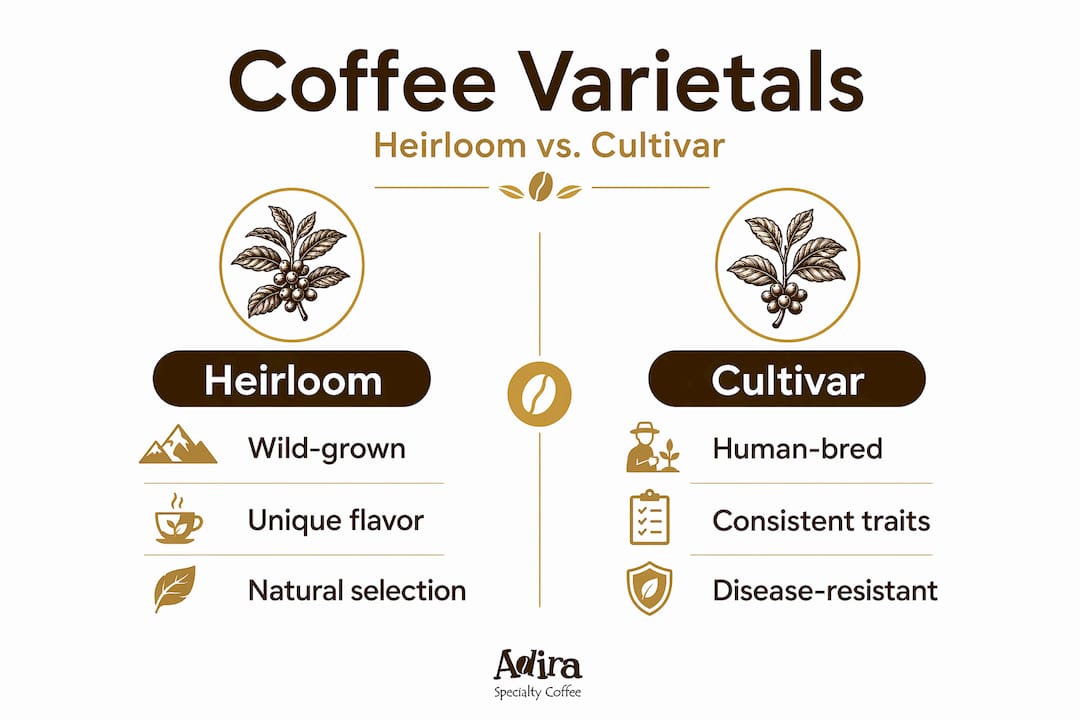
Once you accept that varietals are genetic categories, the next logical question is: where do they come from? The answer splits into two camps. Heirloom varietals are those that have existed naturally for 50 to 100 or more years without intentional human breeding. Cultivars (short for “cultivated varieties”) are the result of deliberate agricultural development, bred to achieve specific, repeatable traits.
Cultivars are bred for uniform traits, while heirlooms are wild and more variable. That variability in heirlooms is a double-edged experience. One harvest from an Ethiopian heirloom farm might express bright jasmine and bergamot. The next season, with different rainfall patterns, the same plants might lean toward dried fruit and earthier notes. That unpredictability frustrates supply chains but thrills tasting enthusiasts.
Here is a practical way to think about the difference between the two:
- Heirloom varietals (examples: Ethiopian Heirloom, Typica, Bourbon) carry centuries of natural selection, often yielding complex, nuanced flavors but lower crop yields and inconsistent harvests.
- Cultivars (examples: Catimor, Castillo, Ruiru 11) are engineered for higher yield, disease resistance, and flavor consistency, making them more practical for large-scale farming.
- Hybrid cultivars blend the flavor potential of heirlooms with the hardiness of disease-resistant species, though striking that balance remains one of coffee breeding’s ongoing challenges.
For the home brewer, heirloom varietals reward attentive brewing. Small changes in water temperature or grind size can unlock dramatically different expressions of the same bean. Cultivars tend to be more forgiving and consistent, which makes them great for dialing in a reliable recipe. Knowing what you are working with before you grind changes your whole approach.
Pro Tip: When you buy a bag of Ethiopian coffee labeled “heirloom,” expect natural fruit-forward complexity rather than a tightly defined single flavor note. Brew it a little cooler (around 195°F) to tame acidity and let sweetness emerge. Explore how this connects to broader best coffee flavor profiles so you can match your brewing approach to the varietal’s strengths.
How coffee varietals influence flavor and brewing choices
Here is where understanding coffee varietals becomes directly useful at your brew station. Different varietals carry hard-wired flavor tendencies that no amount of skilled roasting can fully erase or create. A Gesha varietal from Panama will always lean floral and tea-like. A Bourbon will lean toward balanced sweetness and gentle acidity. These are genetic tendencies, not marketing claims.
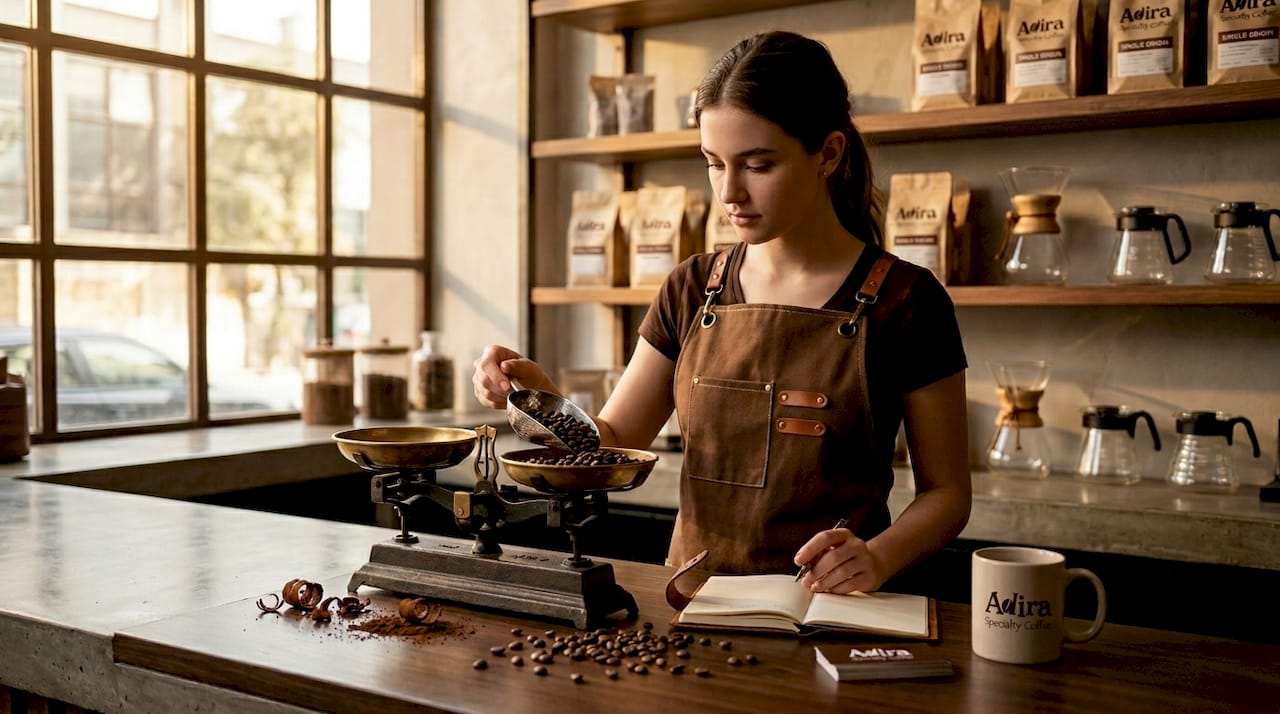
Most specialty coffee packaging lists varietal, and that information tells you far more than the country of origin alone. Two Colombian coffees from neighboring farms can taste radically different if one is grown from Caturra and the other from Pink Bourbon.
| Varietal | Flavor tendencies | Best brew method |
|---|---|---|
| Gesha | Floral, jasmine, bergamot, tea-like | Pour over, Chemex |
| Bourbon | Balanced sweetness, soft acidity, chocolate | Drip, French press |
| Typica | Clean, mild, subtle fruit | Pour over, AeroPress |
| Catimor | Earthy, full-bodied, low acidity | Espresso, moka pot |
| SL28 | Blackcurrant, bright acidity, complex | Pour over, cold brew |
Matching your brew method to varietal tendencies is one of the more underused tools in a home barista’s toolkit. Consider these practical adjustments:
- Floral, delicate varietals (Gesha, Pacamara): Use lower water temperature (193 to 196°F) and a medium-coarse grind to avoid extracting harsh bitter notes that can overpower their elegance.
- Bold, full-bodied varietals (Catimor, Robusta blends): Higher temperatures (200 to 205°F) and a finer grind tend to maximize extraction and bring out their structure.
- Balanced, sweet varietals (Bourbon, Caturra): These are flexible. They perform well across most methods, making them ideal for experimenting.
Pairing this with a solid coffee roast profile guide helps you understand how roast level either complements or competes with a varietal’s natural tendencies. And digging into coffee origin and flavor shows you how soil, altitude, and processing interact with the varietal’s genetics to produce the final cup.
Climate resilience and the future of coffee varietals
Coffee faces a genuine crisis. Rising global temperatures, unpredictable rainfall, and the spread of diseases like coffee leaf rust are reducing viable growing regions every year. The varietal a farmer chooses is no longer just a flavor decision. It is a survival strategy.
World Coffee Research uses CafeClima to map varietal performance against climate projections, giving farmers data-driven guidance on which varietals will perform in their changing local conditions. This kind of science is critical because not every farm can simply move to a higher altitude.
“The development of new coffee varieties takes 25 to 35 years from initial cross to widespread farmer adoption, which means the breeding decisions being made today will define what coffee tastes like in 2050 and beyond.”
Breeding new varieties is a long-term but necessary investment to keep coffee farming viable as climates shift.
| Challenge | Varietal response strategy |
|---|---|
| Coffee leaf rust | Disease-resistant cultivars (Castillo, Centroamericano) |
| Drought conditions | Drought-tolerant Robusta hybrids |
| Yield decline | High-productivity cultivars without full flavor compromise |
| Temperature rise | Higher-altitude adapted varietals |
The farms Adira Coffee works with across Colombia, Ethiopia, and Costa Rica are already navigating these choices. Understanding how coffee farm practices impact the beans you brew helps you appreciate what growers are up against, and why the varietal information on your bag carries real weight.
Choosing and brewing coffee varietals at home
Armed with varietal knowledge, your approach to choosing and brewing coffee changes. You stop buying purely on origin or roast color and start reading the fine print on the bag with genuine purpose.
Paying attention to varietal on specialty packaging helps home brewers explore new flavor profiles and refine their brewing technique over time. Here is how to put that into practice:
- Read the bag fully. Look for varietal name, altitude, and processing method. Each data point narrows your flavor expectations before the first brew.
- Start with a baseline brew. Use your usual method and recipe so you can isolate what the varietal itself contributes.
- Adjust one variable at a time. Try dropping water temperature by 3 to 5 degrees if the coffee tastes harsh, or extending brew time if it tastes thin.
- Keep a tasting journal. Write down the varietal, your recipe, and what you tasted. Over a few months, patterns emerge and your palate sharpens.
- Compare varietals side by side. Brew a Bourbon and a Gesha from the same origin on the same day. The varietal differences become immediately obvious and memorable.
Pro Tip: Freshness matters as much as varietal. A stale Gesha brews worse than a fresh Catimor every time. Pair your varietal knowledge with a proper coffee blooming technique to degas the beans and extract the full flavor potential. Also worth reading: how roasting profiles affect flavor so you understand how roast interacts with the varietal traits you are trying to experience.
Why understanding coffee varietals matters more than ever
Most coffee conversations stop at origin and roast. “I like Ethiopian light roasts” or “I prefer a dark Colombian.” Those preferences are valid, but they skip the layer of information that actually explains why you prefer them. Defining varietals precisely is challenging but crucial for grasping coffee’s full complexity.
Here is the uncomfortable truth: if you only talk about origin and roast, you are working with about 40% of the picture. The varietal is what determines whether a coffee has electric lime acidity or muted, creamy body. The origin tells you where it grew. The roast tells you how it was transformed. But the varietal tells you what the plant was, and that is the foundation everything else is built on.
There is also a sustainability argument that does not get enough airtime. When you choose coffee with intention, asking about varietals and supporting brands that work with specific named cultivars, you send a market signal. You reward farmers who preserve genetic diversity and invest in climate-adapted varieties. That matters for the long-term health of global coffee culture, not just your morning cup.
The most engaged home baristas we know treat varietal exploration the way serious wine drinkers treat grape varietals. They have favorites. They get curious about unfamiliar ones. They understand that a single origin can taste wildly different depending on which plant it came from. That mindset, grounded in specialty coffee standards, is what separates someone who drinks coffee from someone who truly appreciates it.
Explore top coffee varietals with Adira Coffee
Ready to put your knowledge of coffee varietals into practice? Adira Coffee works directly with around 50 farms across Colombia, Ethiopia, Costa Rica, Guatemala, Brazil, and Sumatra, sourcing specific varietals that deliver genuinely distinctive cups. Every bag is small-batch roasted to highlight what the varietal brings naturally.
Start with our Colombia single-origin coffee, a great entry point for experiencing how a specific varietal expresses itself with clean acidity and balanced sweetness. Not sure which varietal suits your taste preferences? Take Adira’s coffee taste profile test to match your palate to the right bean. And explore the full range of offerings and brewing resources at Adira Coffee to keep building on what you have learned here.
Frequently asked questions
What does coffee varietal mean?
A coffee varietal is a genetic classification below subspecies level that defines a coffee plant’s distinct lineage, physical traits, and sensory characteristics. It is one of the most direct influences on flavor and cultivation behavior.
How do heirloom and cultivar varietals differ?
Heirloom varietals are naturally occurring wild types with variable, often complex flavor traits, while cultivars are human-bred for uniform traits like disease resistance, yield consistency, and predictable flavor.
Why is coffee varietal important for flavor?
Varietal genetics directly shape a coffee’s acidity, body, sweetness, and aromatic potential. These are traits no roast can fully override, making varietal the foundation of any cup’s flavor identity.
Can understanding varietals improve my home brewing?
Absolutely. Knowing varietal tendencies lets you adjust grind size, water temperature, and brew time to highlight what the bean does best rather than fighting against its natural character. Better brewing decisions start with the bean you choose.
How do coffee varietals affect sustainability?
Varietals bred for climate resilience, disease resistance, and drought tolerance are essential for keeping coffee farming viable as growing conditions change globally. Breeding new varieties is one of the most important long-term investments in coffee’s future.
Recommended
- What is single origin coffee? A 2026 guide for enthusiasts – Adira Coffee US
- What is coffee roast profile? A 2026 guide for enthusiasts – Adira Coffee US
- Explore the Best Coffee Flavor Profiles for Every Taste – Adira Coffee US
- Explore the main types of coffee beans for every taste – Adira Coffee US