

If you think all coffee tastes the same, you haven’t tried single origin coffee. Unlike generic blends, single origin beans come from one specific location, a single farm, region, or country, and deliver flavors you can trace back to their source. For coffee enthusiasts and home baristas, this means tasting the unique terroir of Ethiopia’s fruity highlands or Colombia’s balanced valleys in every cup. This guide explores what single origin coffee is, where it comes from, how to brew it, and why it matters for anyone serious about coffee.
Table of Contents
- What Is Single Origin Coffee? Defining The Concept
- Exploring Single Origin Coffee Regions And Their Unique Flavors
- How To Choose And Brew Single Origin Coffee At Home
- Single Origin Coffee Versus Blends: Taste, Quality, And Experience
- Discover Single Origin Coffees At Adira Coffee
- Frequently Asked Questions
Key takeaways
| Point | Details |
|---|---|
| Single origin definition | Coffee sourced from one specific location, preserving distinct regional flavors. |
| Flavor diversity | Origins like Ethiopia, Colombia, and Costa Rica offer unique taste profiles from fruity to nutty. |
| Brewing recommendations | Pour-over and French press methods highlight single origin coffee’s clarity and complexity. |
| Versus blends | Single origin showcases specific terroir, while blends balance consistency and flavor. |
| Selection tips | Choose freshly roasted beans with clear origin details for the best home brewing experience. |
What is single origin coffee? Defining the concept
Single origin coffee refers to coffee sourced from one location or farm, preserving distinctive flavors unique to that area. This could mean beans from a single country, a specific region within that country, or even one estate or cooperative. The key is traceability. You know exactly where your coffee comes from, and that origin shapes everything about its taste.
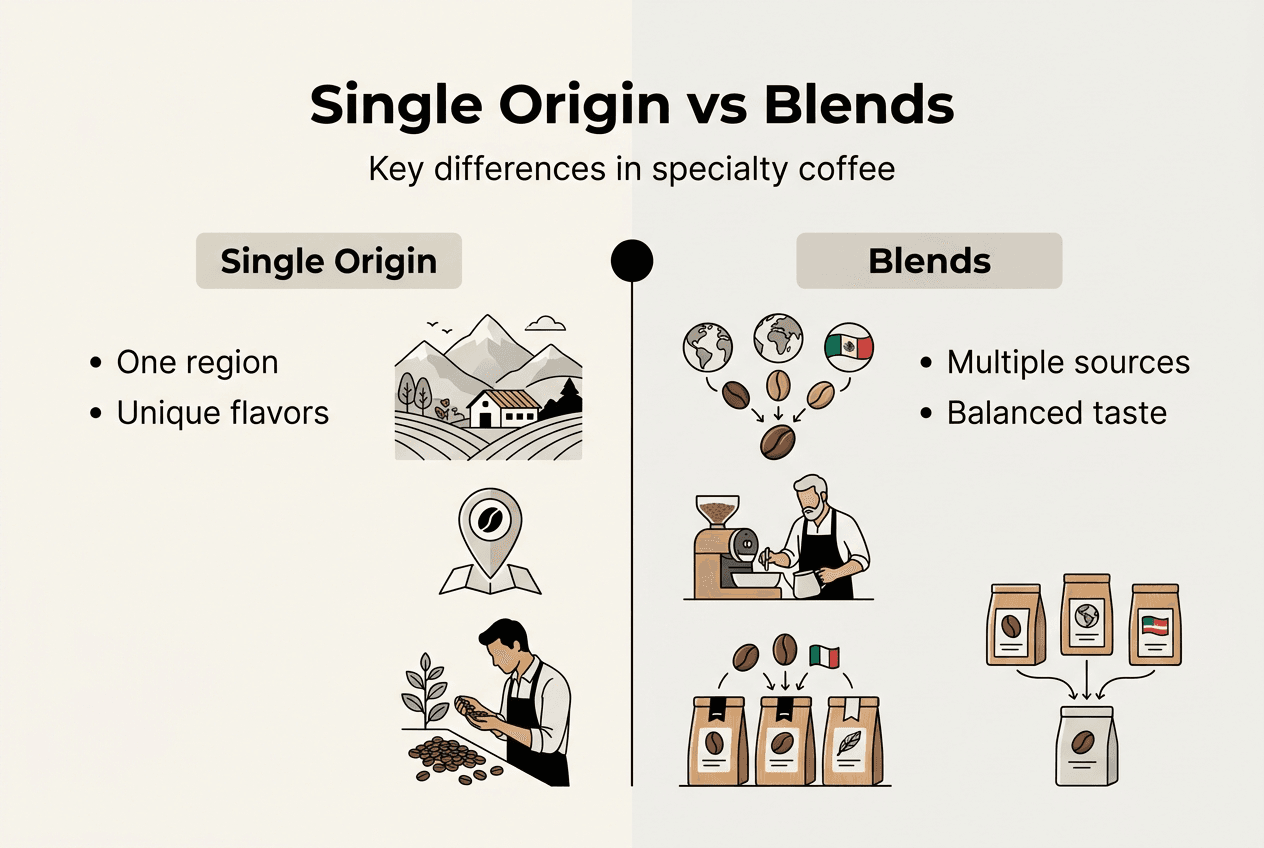
Blends, by contrast, mix beans from multiple origins to create a balanced or consistent flavor profile. Roasters combine Colombian beans with Ethiopian or Brazilian varieties to smooth out acidity, add body, or achieve a signature taste. Nothing wrong with blends, they serve a purpose, but they sacrifice the unique character of any single location.
Why does provenance matter? Coffee is an agricultural product, and like wine grapes, the environment where it grows affects flavor. Altitude, soil composition, rainfall, and processing methods all leave their mark. A coffee from the volcanic soils of Guatemala tastes different from one grown in the shade forests of Sumatra. Single origin coffee lets you taste those differences.
Enthusiasts prefer single origin for several reasons:
- Flavor exploration: Each origin offers a distinct taste profile worth experiencing on its own.
- Traceability: Knowing the farm or region builds trust and supports transparent sourcing.
- Seasonality: Single origin coffees reflect harvest cycles, offering fresh, seasonal experiences.
- Education: Tasting different origins teaches you about coffee’s diversity and complexity.
When you buy single origin vs blends, you’re choosing specificity over consistency. You’re saying you want to taste what makes Ethiopian coffee Ethiopian, not a smoothed-out version designed for mass appeal. For home baristas, this opens up a world of experimentation and discovery.
Exploring single origin coffee regions and their unique flavors
Regions like Ethiopia, Colombia, and Costa Rica produce single origin coffees with distinct and celebrated flavor profiles. Each origin has signature characteristics shaped by climate, altitude, soil, and processing traditions. Understanding these differences helps you choose coffees that match your taste preferences.
Ethiopia, often called the birthplace of coffee, produces beans known for their bright acidity and complex fruit notes. Ethiopia single origin coffee often delivers flavors of blueberry, jasmine, and citrus, especially when processed naturally. The high-altitude growing regions like Yirgacheffe and Sidamo create ideal conditions for these delicate, tea-like profiles.
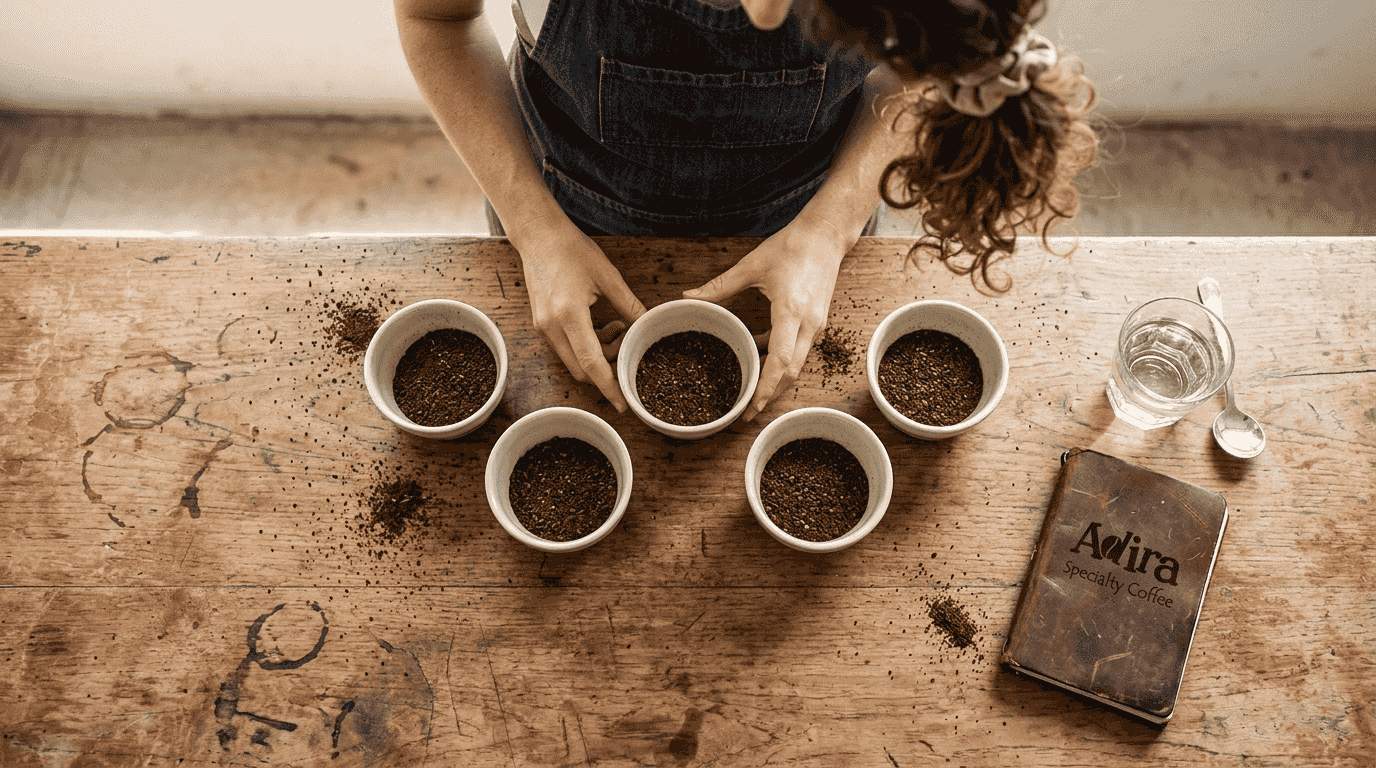
Colombia offers a different experience. Colombian single origin coffee tends toward balanced, medium-bodied cups with nutty sweetness and mild acidity. The country’s diverse microclimates produce consistent quality, and the washed processing method common there highlights clean, approachable flavors. Think caramel, chocolate, and a smooth finish.
Costa Rica single origin coffee stands out for its bright, clean profile. The country banned low-quality Robusta cultivation decades ago, focusing entirely on high-quality Arabica. Costa Rican beans often feature citrus acidity, honey sweetness, and a crisp finish. The volcanic soil and high altitudes contribute to this clarity.
Environmental factors shape these flavors in measurable ways. Higher altitudes slow cherry maturation, allowing more complex sugars to develop. Volcanic soils provide minerals that affect taste. Processing methods matter too. Natural processing, where cherries dry with the fruit intact, creates fruity, wine-like flavors. Washed processing removes the fruit before drying, producing cleaner, brighter cups.
| Origin | Altitude Range | Key Flavors | Body | Acidity |
|---|---|---|---|---|
| Ethiopia | 1,500-2,200m | Blueberry, jasmine, citrus | Light to medium | Bright |
| Colombia | 1,200-2,000m | Caramel, chocolate, nuts | Medium | Moderate |
| Costa Rica | 1,200-1,700m | Citrus, honey, apple | Medium | Bright |
| Guatemala | 1,300-2,000m | Cocoa, spice, stone fruit | Full | Balanced |
| Brazil | 800-1,300m | Chocolate, nuts, low acidity | Heavy | Low |
| Sumatra | 1,000-1,500m | Earth, herbs, tobacco | Full | Low |
Other notable origins include Guatemala, with its full-bodied, cocoa-rich profiles, and Sumatra, known for earthy, herbal notes from wet-hulling processing. Brazil produces chocolatey, low-acid coffees perfect for espresso. Kenya delivers intense, wine-like acidity with blackcurrant notes.
Pro Tip: When tasting single origin coffee, use a flavor wheel as reference. Start by identifying broad categories like fruity or nutty, then narrow down to specific notes. Compare origins side by side to train your palate and recognize regional signatures.
How to choose and brew single origin coffee at home
Choosing freshly roasted, high-quality single origin beans and brewing using methods like pour-over can enhance flavor clarity. The selection process starts with understanding what to look for on the bag and continues through brewing techniques that highlight origin characteristics.
Follow these steps to select quality single origin coffee:
- Check the roast date: Fresh coffee tastes better. Look for beans roasted within the past two to four weeks. Flavors peak in this window, then gradually fade.
- Read origin details: The label should specify country, region, or farm. More detail usually indicates higher quality and better traceability.
- Consider roast level: Light to medium roasts preserve origin flavors better than dark roasts, which emphasize roast character over terroir.
- Review tasting notes: Reputable roasters provide flavor descriptors. Choose profiles that appeal to your taste preferences.
- Buy whole beans: Pre-ground coffee loses flavor quickly. Grinding just before brewing maintains freshness and aroma.
Once you have quality beans, brewing method matters. Single origin coffees shine with techniques that allow nuanced flavors to emerge. Pour-over methods like V60 or Chemex produce clean, bright cups that showcase acidity and delicate notes. French press offers fuller body and highlights oils that paper filters remove. AeroPress provides versatility, you can adjust variables to emphasize different characteristics.
Brewing steps for optimal single origin extraction:
- Measure accurately: Use a 1:16 coffee-to-water ratio as a starting point (15g coffee to 240ml water).
- Grind appropriately: Medium-fine for pour-over, coarse for French press. Consistency matters more than exact size.
- Control water temperature: Aim for 195-205°F (90-96°C). Hotter water extracts more, cooler water less.
- Time your brew: Pour-over takes 2.5-3.5 minutes, French press steeps for 4 minutes. Adjust based on taste.
- Taste and adjust: If the coffee tastes sour, extract longer or grind finer. If bitter, extract less or grind coarser.
Water quality affects the final cup significantly. Filtered water works better than tap water with high mineral content or chlorine. The right minerals actually help extraction, but too much creates off-flavors. Bottled spring water or a simple carbon filter usually does the job.
Grind size adjustments fine-tune extraction. If your choosing coffee beans guide recommends a medium grind but the coffee tastes weak, go slightly finer. If it’s too strong or bitter, coarsen the grind. Small changes make big differences.
Pro Tip: Keep a brewing journal. Note the origin, roast date, grind setting, water temperature, and brew time for each coffee. Record what you tasted and what you’d change. Over time, you’ll develop a personalized brewing formula for different origins.
Single origin coffee versus blends: taste, quality, and experience
Single origin coffees showcase specific regional flavors, while blends aim for balanced or consistent profiles. Neither is inherently better, they serve different purposes and appeal to different preferences. Understanding the trade-offs helps you choose what fits your needs.
Blends combine beans from multiple origins to achieve specific goals. A roaster might mix bright Ethiopian beans with chocolatey Brazilian ones to create a balanced breakfast blend. Or combine Colombian and Guatemalan coffees for consistent espresso performance. Blending allows roasters to smooth out acidity, add body, or maintain year-round availability despite seasonal harvests.
Sensory differences between single origin and blends are noticeable. Single origin coffees offer clarity and distinction. You taste the specific terroir, the unique characteristics that make Ethiopian coffee taste like Ethiopia. Flavors tend toward the extreme, very bright, very fruity, or very earthy. Blends provide balance and approachability. They avoid sharp edges, creating smooth, crowd-pleasing profiles.
Advantages of single origin coffee:
- Flavor exploration: Experience the full range of coffee’s diversity.
- Traceability: Know exactly where your coffee comes from and support specific farms.
- Seasonality: Enjoy fresh, peak-season coffees that reflect harvest timing.
- Education: Learn to identify origin characteristics and develop your palate.
Disadvantages of single origin coffee:
- Inconsistency: Flavors vary by harvest, processing, and season.
- Polarizing profiles: Bold, distinctive flavors may not suit all preferences.
- Limited availability: Some origins sell out quickly or are only available seasonally.
- Higher cost: Traceability and quality often come with premium pricing.
Advantages of blends:
- Consistency: Roasters adjust ratios to maintain the same flavor profile year-round.
- Balance: Multiple origins smooth out extremes, creating approachable cups.
- Versatility: Blends often work well across multiple brewing methods.
- Value: Combining origins can offer quality at accessible price points.
Disadvantages of blends:
- Less distinction: Balanced flavors mean you lose origin-specific character.
- Opacity: You may not know exactly which origins are included or their proportions.
- Compromise: Blending can mask lower-quality beans in the mix.
| Factor | Single Origin | Blends |
|---|---|---|
| Flavor profile | Distinct, origin-specific | Balanced, consistent |
| Traceability | High, specific location | Variable, multiple sources |
| Consistency | Varies by harvest | Maintained year-round |
| Price | Often premium | Range from budget to premium |
| Best for | Exploration, education | Daily drinking, espresso |
| Availability | Seasonal, limited | Year-round |
For home baristas, single origin coffees work beautifully in pour-over, where clarity and complexity shine. Blends often excel in espresso, where balance and body matter more than showcasing terroir. Many coffee lovers keep both on hand, single origin for weekend exploration and coffee blends vs single origin for everyday convenience.
The quality question deserves nuance. Single origin doesn’t automatically mean better quality. A poorly processed single origin coffee tastes worse than a well-crafted blend. Quality depends on farming practices, processing care, roasting skill, and freshness, regardless of whether beans come from one origin or many.
Discover single origin coffees at Adira Coffee
Ready to experience the distinct flavors that make single origin coffee special? Adira Coffee offers a curated selection of freshly roasted beans from renowned origins, each showcasing the unique characteristics of its region. Our coffee beans collection includes standout options like Ethiopia single origin coffee with its bright, fruity notes and Colombian single origin coffee known for balanced sweetness.
Every bag comes from our small-batch roasting process, ensuring peak freshness and flavor. We work directly with farms across Ethiopia, Colombia, Costa Rica, and other celebrated origins to bring you traceable, ethically sourced beans. Whether you’re exploring single origin coffee for the first time or expanding your home brewing repertoire, our selection provides the quality and variety you need to discover what makes each origin unique.
Frequently asked questions
What makes single origin coffee different from blends?
Single origin coffee comes from one specific location, preserving the distinct flavors shaped by that region’s climate, soil, and processing methods. Blends combine beans from multiple origins to create balanced or consistent flavor profiles. Single origin offers clarity and regional character, while blends provide smoothness and year-round consistency.
How can I tell if coffee is truly single origin?
Check the packaging for specific origin information. Quality single origin coffee labels include the country, region, or farm name, along with details like altitude, processing method, and harvest date. Vague labels like “premium blend” or missing origin details usually indicate blended coffee. Reputable roasters provide transparent sourcing information.
Is single origin coffee more expensive than blends?
Single origin coffee often costs more due to traceability, quality control, and smaller production volumes. Sourcing from specific farms or regions requires direct relationships and careful selection, which increases costs. However, price varies widely based on origin, processing, and roaster. Some blends using premium beans cost as much as single origin offerings.
How should I store single origin coffee to maintain freshness?
Store whole beans in an airtight container away from light, heat, and moisture. A cool, dark pantry works better than the refrigerator or freezer, which can introduce moisture and odors. Buy only what you’ll use within two to four weeks of the roast date. Grind just before brewing to preserve flavor and aroma.
Does single origin coffee work better for specific brewing methods?
Single origin coffee excels in brewing methods that highlight clarity and complexity, like pour-over, Chemex, or AeroPress. These techniques showcase the unique flavors that define each origin. French press also works well, emphasizing body and oils. Espresso can use single origin beans, though blends are more common for balanced extraction and crema consistency.