
Choosing the right coffee beans can feel overwhelming with endless options for roast levels, origins, and processing methods. Many home baristas struggle to match beans with their brewing equipment and personal taste preferences, often ending up with disappointing results. This guide cuts through the confusion by breaking down how to select coffee beans based on roast type, origin characteristics, grind requirements, and quality standards so you can consistently brew exceptional coffee at home.
Table of Contents
-
Understanding Coffee Bean Roast Levels And Their Impact On Flavor
-
Selecting Coffee Bean Origins And Processing Methods To Match Your Brew
-
Grinding Coffee Beans: Matching Grind Size To Your Brewing Equipment
-
Evaluating Coffee Quality Using Specialty Coffee Association Cupping Scores
Key takeaways
| Point | Details |
| Roast level determines flavor | Light roasts preserve origin characteristics while dark roasts emphasize roast flavors, affecting which brewing method works best. |
| Origin shapes taste profile | Bean origin impacts flavor due to climate and soil, with washed processing producing brighter notes and natural processing adding fruity complexity. |
| Grind size must match equipment | Coarse grinds work for French press while fine grinds suit espresso machines to ensure proper extraction. |
| Quality scores guide selection | Specialty Coffee Association scores above 80 indicate specialty grade coffees with superior taste characteristics. |
| Experimentation reveals preferences | Roaster definitions of roast levels vary, so trying small batches helps identify your ideal beans. |
Understanding coffee bean roast levels and their impact on flavor
The roast level you choose fundamentally shapes your coffee’s flavor profile and determines which brewing methods will showcase the beans at their best. Roast level significantly impacts coffee flavor profiles, with each degree of roasting bringing forward different taste characteristics. Understanding these differences helps you select beans that align with your brewing equipment and taste preferences.
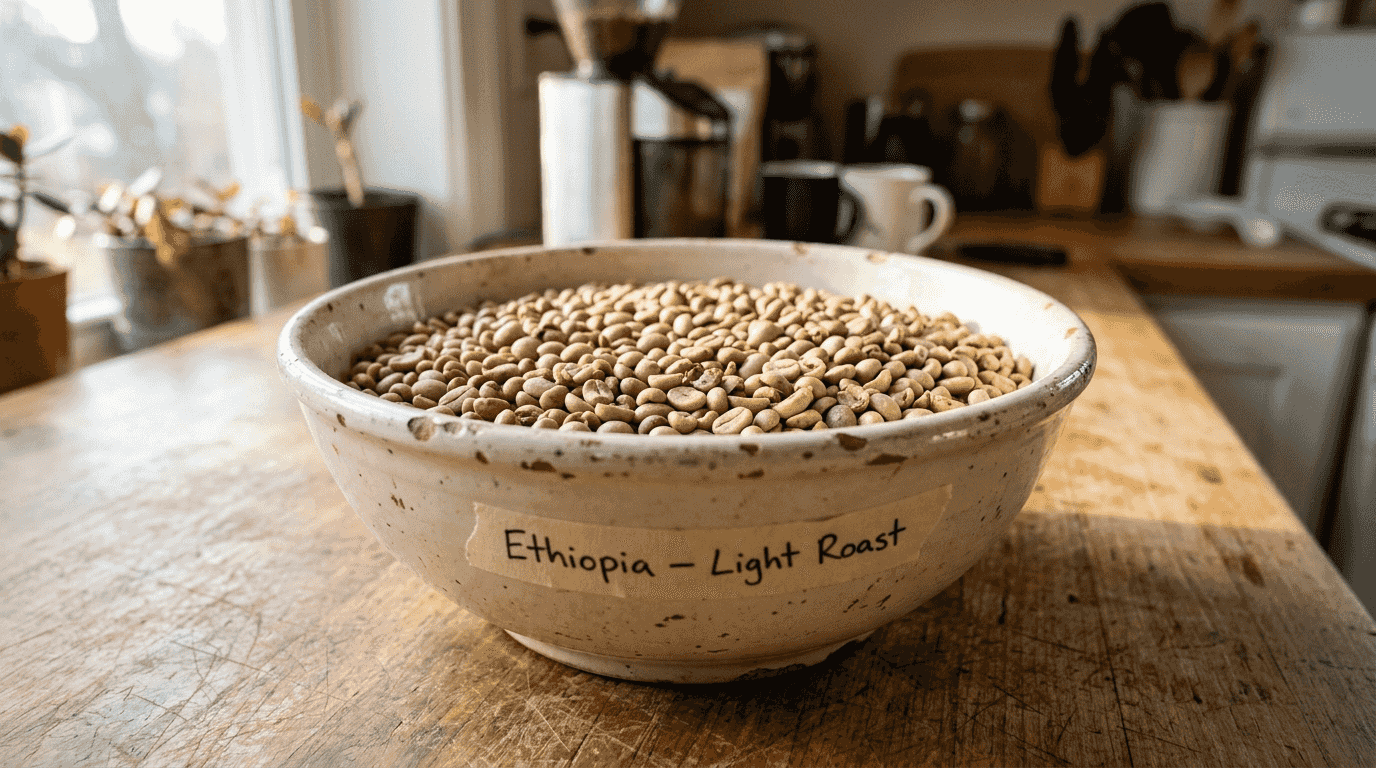
Light roasts are heated to around 356-401°F and maintain the coffee’s original origin characteristics. These beans preserve delicate floral notes, bright citrus acidity, and fruity flavors from the growing region. You’ll notice light roasts have a lighter brown color and no oil on the surface.
Medium roasts strike a balance between origin flavors and roast development, making them versatile for multiple brewing methods. These beans reach temperatures of 410-428°F and develop sweeter caramel notes while retaining some origin complexity. Pour-over methods highlight complex notes with light to medium roasts including floral, fruity, and tea-like qualities.
Dark roasts are roasted beyond 464°F until oils appear on the bean surface, creating bold chocolate, caramel, and smoky flavors. The extended roasting diminishes origin characteristics while emphasizing roast-developed tastes. Espresso machines benefit from medium to dark roasts for rich, concentrated flavors like chocolate, nuts, caramel, and spice.
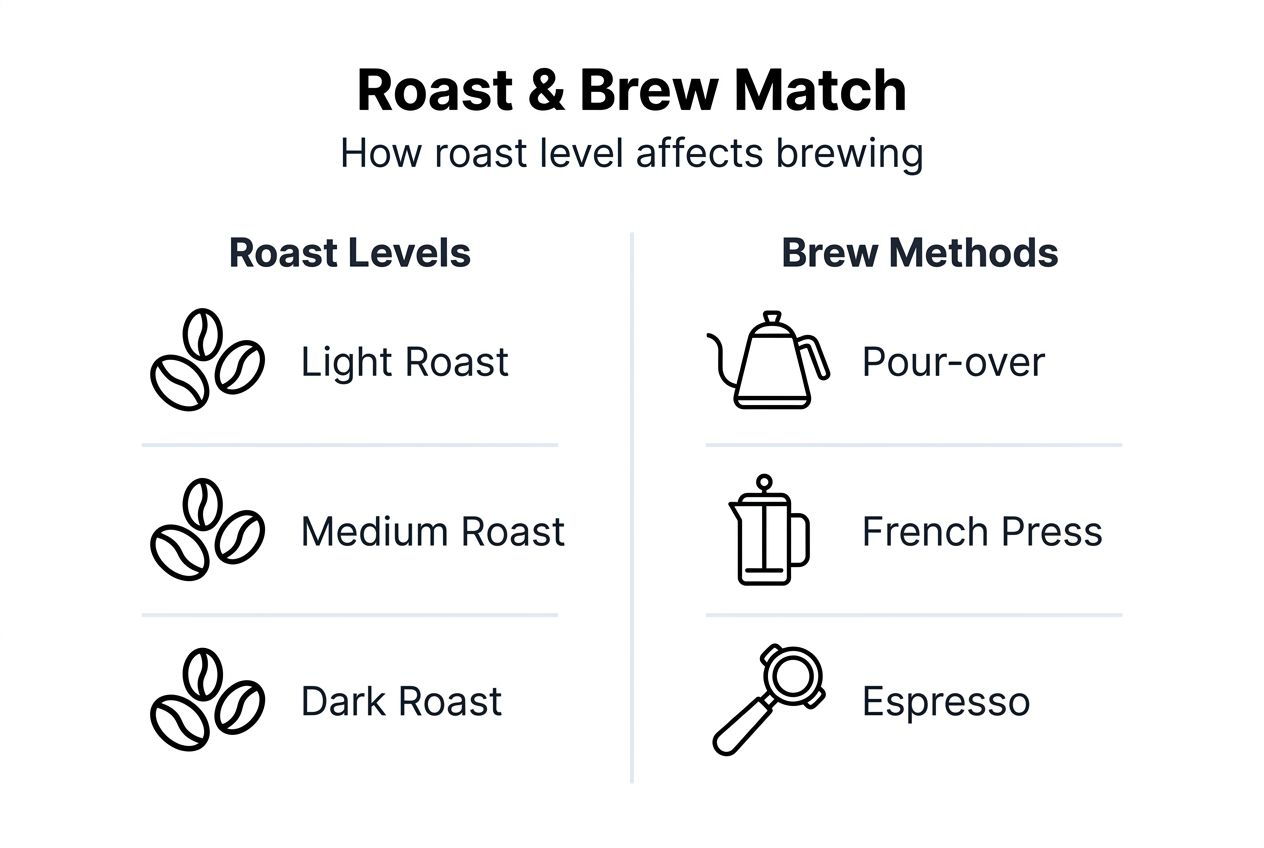
Matching your roast level to your brewing method enhances flavor extraction and prevents disappointing results. Cold brew and French press work beautifully with medium to dark roasts that provide body and richness. Pour-over and drip coffee makers shine with light to medium roasts that allow nuanced flavors to emerge. Espresso preparation typically demands medium-dark to dark roasts that create thick crema and complement milk in lattes and cappuccinos.
Pro Tip: Purchase small batches from different roast levels at Adira Coffee to identify your personal preference, since roaster definitions of light, medium, and dark can vary significantly between brands.
Selecting coffee bean origins and processing methods to match your brew
Where your coffee beans are grown and how they’re processed after harvest create distinct flavor signatures that interact differently with various brewing methods. Brewing method influences the ideal bean origin and processing method, making this knowledge essential for optimizing your home coffee experience. Understanding these factors helps you select beans that will perform best with your preferred equipment.
Bean origin determines flavor profiles through variations in soil composition, altitude, climate, and coffee varietals. Ethiopian coffees often deliver floral jasmine notes and blueberry brightness. Colombian beans typically offer balanced sweetness with nutty undertones. Guatemalan coffees bring chocolate and spice complexity, while Sumatran beans provide earthy, herbal characteristics with heavy body.
Processing methods dramatically alter how these origin flavors express themselves in your cup. Washed processing involves removing the coffee cherry fruit before drying, producing cleaner, brighter flavors with pronounced acidity. Natural processing dries the whole cherry with the bean inside, creating fruity, wine-like notes with heavier body and sweetness. Honey processing falls between these methods, leaving some fruit mucilage during drying for balanced complexity.
Pour-over brewing pairs exceptionally well with single-origin washed beans from regions like Ethiopia, Kenya, or Guatemala. These beans showcase clarity and complexity that pour-over methods extract beautifully. The clean processing allows delicate floral and fruit notes to shine without heavy body overwhelming the cup.
French press and AeroPress suit blends or beans from Colombia, Brazil, and Sumatra with natural or honey processing. These methods favor fuller body and bolder flavor that natural processing enhances. The immersion brewing style extracts oils and heavier compounds that create satisfying richness.
Here are popular origins with their characteristics and ideal brewing methods:
-
Ethiopia: floral, fruity, tea-like (pour-over, drip)
-
Colombia: balanced, nutty, sweet (any method)
-
Guatemala: chocolate, spice, full body (French press, espresso)
-
Kenya: bright acidity, berry notes (pour-over, cold brew)
-
Brazil: nutty, chocolatey, low acidity (espresso, French press)
-
Sumatra: earthy, herbal, heavy body (French press, cold brew)
-
Costa Rica: honey sweetness, citrus (drip, pour-over)
Grinding coffee beans: matching grind size to your brewing equipment
Grind size controls how quickly water extracts flavors from your coffee and directly impacts whether your brew tastes balanced or flawed. Grind size is a critical factor in coffee extraction, affecting everything from strength to bitterness to mouthfeel. Matching grind size to your brewing equipment prevents common problems like over-extraction, under-extraction, and unwanted sediment.
Coarse grinds resemble sea salt and work for brewing methods with longer contact time between water and coffee. French press requires coarser grind to avoid sludge and over-extraction during the four-minute steeping process. Cold brew also needs coarse grounds since the 12 to 24-hour brewing time would turn finer grinds unpalatably bitter.
Medium grinds look like sand and suit drip coffee makers where water flows through grounds in three to five minutes. This grind size allows balanced extraction without clogging paper filters or creating weak coffee. Pour-over methods typically use medium-fine grinds slightly smoother than drip, adjusting for the manual pouring speed and technique.
Fine grinds resemble table salt or powdered sugar and enable rapid extraction under pressure. Espresso machines need fine grounds because water passes through the coffee puck in 25 to 30 seconds at high pressure. Turkish coffee requires the finest grind of all, almost like flour, since the grounds remain in the cup while drinking.
Here’s a quick reference for common brewing equipment:
-
French press: coarse (4-minute steep)
-
Cold brew: coarse (12-24 hours)
-
Drip coffee maker: medium (3-5 minutes)
-
Pour-over: medium-fine (2-4 minutes)
-
AeroPress: fine (1-2 minutes)
-
Espresso machine: fine (25-30 seconds)
-
Moka pot: fine (4-5 minutes)
-
Turkish coffee: extra fine (until foam rises)
Grind freshness matters as much as grind size for quality results. Coffee begins losing flavor within 15 minutes of grinding as aromatics escape and oils oxidize. Grinding beans immediately before brewing preserves the volatile compounds that create exceptional taste and aroma.
Pro Tip: If your coffee tastes sour or weak, grind finer to increase extraction. If it tastes bitter or harsh, grind coarser to reduce extraction. Adjust incrementally by small amounts and taste the difference, consulting the coffee grinding and brewing guides for technique refinements.
Evaluating coffee quality using Specialty Coffee Association cupping scores
Beyond personal taste preferences, objective quality standards help you identify genuinely exceptional coffee beans worth your investment. The Specialty Coffee Association cupping score operates on a 100-point scale, where each point represents a quality threshold determining coffee classification. Understanding this system empowers you to recognize superior beans and make informed purchasing decisions.
The SCA cupping protocol provides the coffee industry’s standardized method for evaluating green and roasted coffee quality. Professional cuppers assess coffee using specific sensory criteria and assign numerical scores that indicate where beans fall on the quality spectrum. This system creates a common language for discussing coffee excellence across producers, roasters, and consumers.
Professional coffee cupping evaluates ten distinct categories contributing points toward the final score. These categories include fragrance and aroma, flavor, aftertaste, acidity, body, balance, uniformity, clean cup, sweetness, and overall impression. Each category receives a score based on intensity, quality, and complexity of the sensory experience.
Here’s how cupping scores translate to quality classifications:
| Score Range | Classification | Quality Level |
| 90-100 | Outstanding | Rare, exceptional coffees with complex flavors |
| 85-89.99 | Excellent | Premium specialty grade with distinctive characteristics |
| 80-84.99 | Very Good | Specialty grade with no defects, clean flavors |
| 75-79.99 | Good | Below specialty, acceptable quality |
| Below 75 | Below Standard | Commercial grade with potential defects |
Home baristas should look for coffees scoring 80 or higher to ensure specialty grade quality. These beans demonstrate clean flavors, no defects, and distinctive taste profiles worth the premium price. Scores above 85 indicate truly exceptional coffees that showcase the best of their origin and processing method.
Quality scores guide bean choice beyond roast level or origin alone by providing objective measures of excellence. A naturally processed Ethiopian coffee might score 87 points for its intense berry flavors and floral complexity, while a washed Colombian might score 84 points for its balanced sweetness and clean finish. Both qualify as specialty grade but offer different taste experiences at verified quality levels.
When shopping for beans, check if roasters publish cupping scores or certifications from quality assessments. Many specialty roasters at specialty coffee bean selection highlight their highest-scoring offerings and provide tasting notes that reflect the cupping evaluation. This transparency helps you invest in beans that deliver proven quality and exceptional flavor.
Explore expertly curated coffee beans at Adira Coffee
Now that you understand how to evaluate roast levels, origins, grind requirements, and quality standards, put your knowledge into practice with carefully selected specialty beans. Adira Coffee offers an expertly curated selection sourced from around 50 farms across Colombia, Ethiopia, Costa Rica, Guatemala, Brazil, and Sumatra, giving you access to diverse flavor profiles suited for any brewing method.
Explore Adira Coffee’s specialty coffee beans to find light, medium, and dark roasts matched to your equipment and taste preferences. Each offering includes detailed tasting notes and origin information to guide your selection. Check the brewing guides at Adira Coffee for technique tips that complement your bean choices and help you extract maximum flavor from every brew.
FAQ
What roast level is best for espresso machines?
Medium to dark roasts work best for espresso because they create rich, concentrated flavors like chocolate, nuts, caramel, and spice that stand up to high-pressure extraction. Darker roasts also complement milk-based drinks by providing bold flavor that cuts through steamed milk in lattes and cappuccinos.
How does coffee bean origin affect taste?
Bean origin determines flavor profiles through differences in soil composition, altitude, and climate that influence how coffee develops. Origin impacts coffee flavor, creating distinctive characteristics ranging from fruity and floral Ethiopian notes to earthy, chocolatey Brazilian flavors that suit different brewing methods and preferences.
What grind size should I use for French press?
Use a coarse grind resembling sea salt for French press to ensure clean extraction during the four-minute steeping time. French press requires coarser grind because finer particles slip through the metal filter creating muddy sediment and bitter over-extracted flavors.
What does a Specialty Coffee Association cupping score signify?
SCA cupping scores rate coffee quality on a 100-point scale using standardized sensory evaluation across ten categories. Scores above 80 indicate specialty grade coffees recognized for superior taste, no defects, and distinctive flavor profiles worth premium pricing.