

Many coffee lovers believe espresso is simply strong coffee, but this common misconception overlooks the precise brewing method that defines it. Espresso is a unique preparation technique using high pressure to extract concentrated coffee with distinctive crema and intense flavor. Understanding what makes espresso special, from the grinding and tamping process to machine selection and bean choices, transforms your appreciation and ability to craft exceptional shots at home. This guide clarifies the essential elements of espresso preparation, equipment needs, and flavor profiles to elevate your coffee experience.
Table of Contents
- What Is Espresso And How Is It Brewed?
- Choosing The Right Beans And Roast For Espresso
- Espresso Machines And Equipment Essentials
- Understanding Espresso Flavor Profiles And Common Drinks
- Explore Quality Coffee Beans And Gear At Adira Coffee
- FAQ
Key takeaways
| Point | Details |
|---|---|
| Espresso is a brewing method | High pressure extraction creates concentrated coffee with signature crema in 25-30 seconds |
| Grind and tamping matter | Fine, consistent grind and proper tamping pressure ensure balanced flavor extraction |
| Machine type affects results | Manual, semi-automatic, and automatic machines offer different control levels over shot quality |
| Bean selection shapes flavor | Origin and roast level influence taste notes from chocolate to fruity profiles |
| Espresso forms drink foundation | Quality shots enable excellent cappuccinos, lattes, and other milk-based beverages |
What is espresso and how is it brewed?
Espresso stands apart from other coffee preparations through its unique extraction method. Espresso is made by forcing hot water under pressure through finely ground coffee, resulting in a concentrated brew with a distinctive crema. The process requires precise control over several critical variables that determine shot quality.
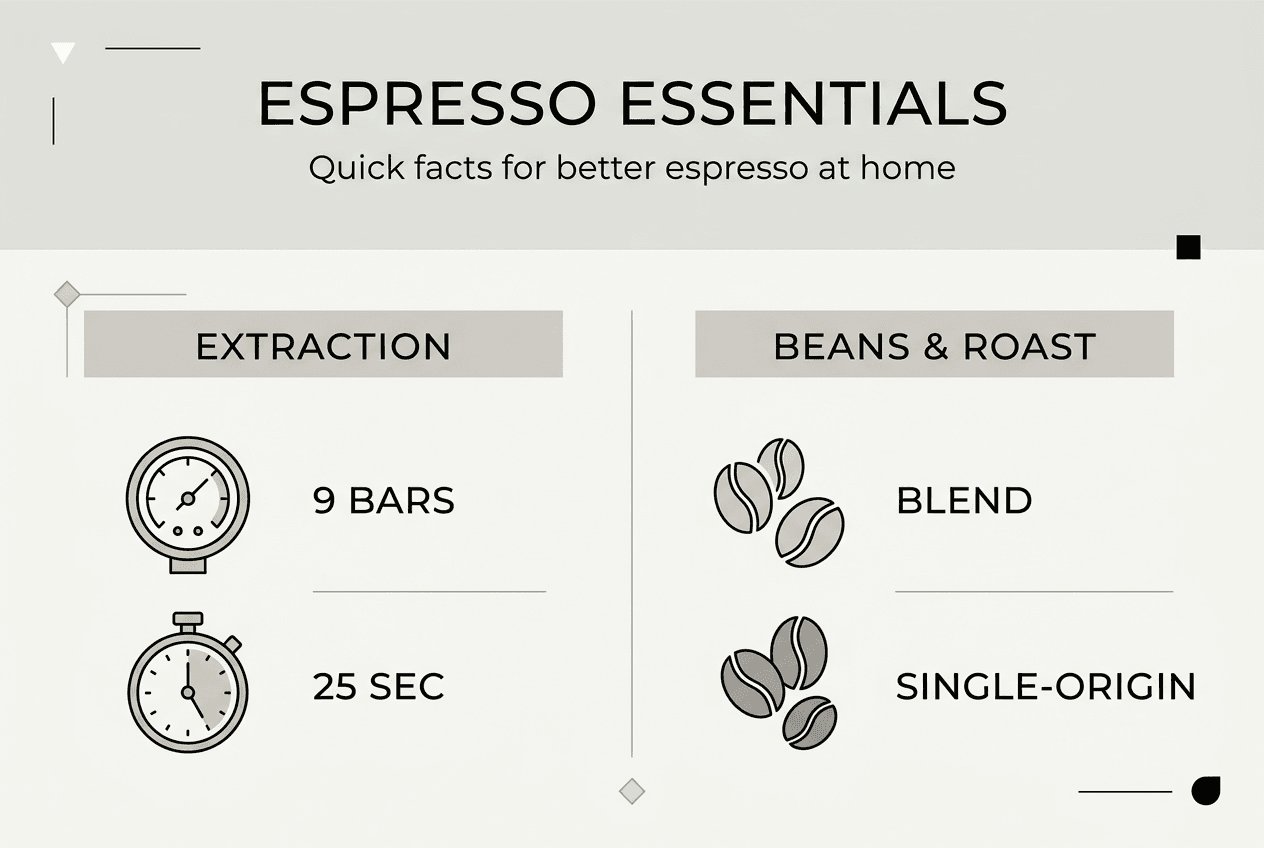
The brewing process operates at approximately 9 bars of pressure, with water heated to 90-96°C (194-205°F). Extraction time typically ranges from 25 to 30 seconds for a standard single or double shot. This brief contact time demands extremely fine grind size to maximize surface area exposure, allowing proper flavor compound extraction within the tight timeframe.
Consistent tamping plays an equally vital role in shot quality. When you tamp coffee grounds into the portafilter basket, you create a uniform bed that ensures even water distribution during extraction. Uneven tamping causes channeling, where water finds paths of least resistance and creates weak, sour spots alongside over-extracted bitter areas in the same shot.
Crema formation serves as a visual indicator of proper extraction technique. This golden-brown foam layer results from emulsified coffee oils and carbon dioxide released during brewing. While crema alone doesn’t guarantee delicious espresso, its presence signals that pressure, temperature, and grind size fell within acceptable ranges for the beans used.
Key brewing variables include:
- Water pressure (typically 9 bars for optimal extraction)
- Water temperature (90-96°C range prevents scorching or under-extraction)
- Grind size (fine enough to resist water flow without clogging)
- Coffee dose (usually 18-20 grams for double shots)
- Extraction time (25-30 seconds for balanced flavor)
Pro Tip: Consistently tamping with approximately 30 pounds of pressure optimizes flavor and shot consistency, creating a level bed that promotes even extraction across the entire puck.
Mastering these fundamentals through espresso brewing guides provides the foundation for exploring different beans and refining your technique. Each variable interacts with others, so small adjustments to one element often require compensating changes elsewhere to maintain shot balance.
Choosing the right beans and roast for espresso
Bean selection dramatically influences your espresso’s flavor profile, body, and overall character. Espresso blends often feature medium to dark roast profiles to highlight richness, though single-origin beans are increasingly used for distinctive flavor notes. Understanding how variety, roast level, and freshness interact helps you select beans that match your taste preferences.
Single-origin espresso showcases the unique characteristics of beans from one specific region or farm. Colombian beans might offer chocolate and caramel notes with balanced acidity, while Ethiopian naturals present bright berry and floral flavors. These coffees provide transparency and terroir expression but can be more challenging to dial in since their flavor profiles change more noticeably with small extraction adjustments.
Blends combine beans from multiple origins to create balanced, consistent flavor profiles. Roasters design blends to maintain taste stability across harvest seasons and to achieve specific characteristics like enhanced sweetness, body, or crema production. Many cafés prefer blends for their forgiving nature and reliable performance across different brewing conditions.
Roast level affects both flavor development and extraction behavior. Lighter roasts preserve origin characteristics and brighter acidity but require precise extraction to avoid sourness. Medium roasts balance origin flavors with developed sweetness and body. Darker roasts emphasize chocolate, caramel, and roasted notes while reducing acidity, offering more extraction forgiveness but risking bitterness if over-extracted.
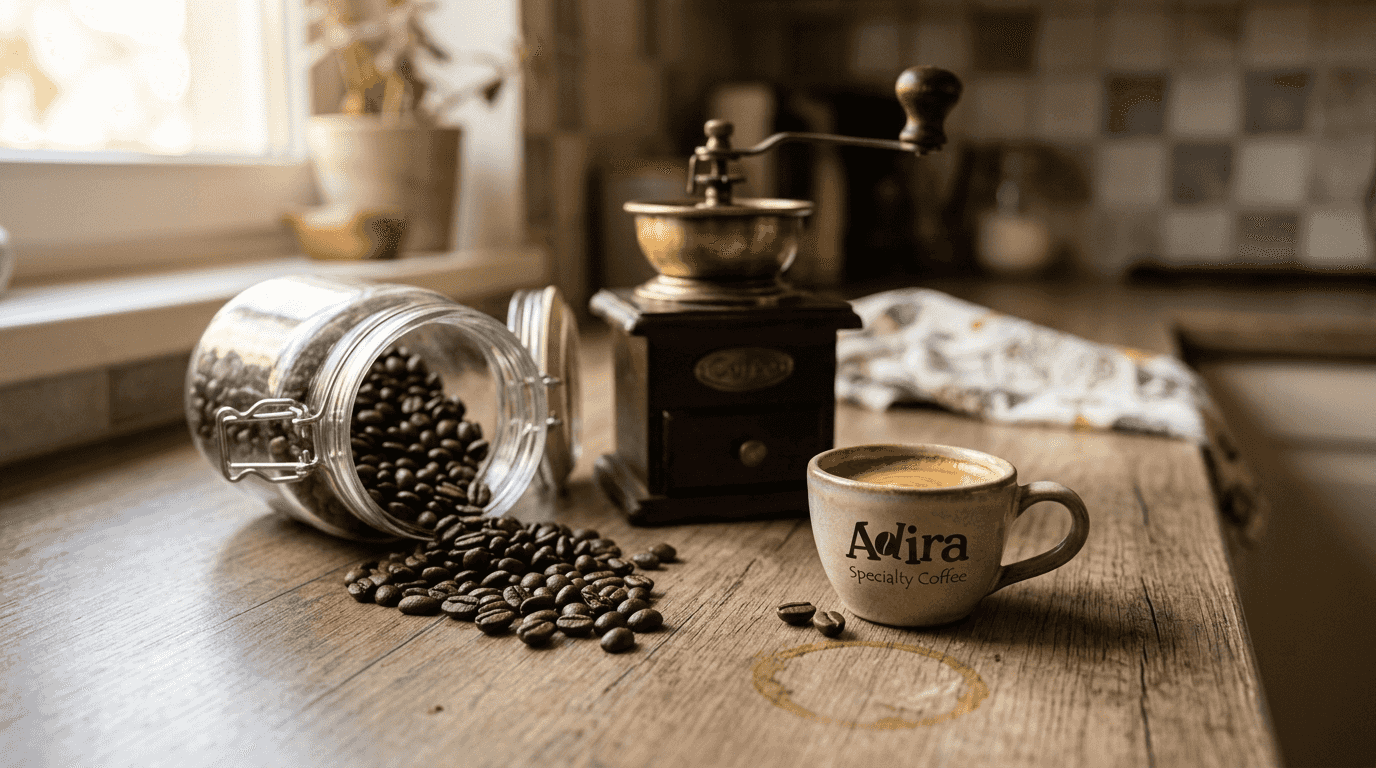
Freshness matters enormously for espresso quality. Coffee degasses rapidly after roasting, with peak espresso flavor typically occurring 7-21 days post-roast. Beans roasted within the past two weeks generally perform best, while coffee older than a month often tastes flat and lacks crema. Proper storage in airtight containers away from light, heat, and moisture preserves freshness longer.
Consider these factors when choosing espresso beans:
- Origin characteristics (fruity African beans versus nutty South American varieties)
- Roast development (light for brightness, dark for richness)
- Roast date (fresher is almost always better)
- Processing method (natural process adds fruitiness, washed offers clarity)
- Intended use (straight espresso versus milk-based drinks)
Pro Tip: Experiment with different beans like Colombia or Ethiopia Natural for unique espresso flavors, adjusting your grind and extraction parameters to highlight each origin’s strengths.
Exploring espresso coffee beans from various origins and roast levels builds your palate and helps you discover personal preferences. What works beautifully as a straight shot might differ from what shines in a cappuccino, so consider your typical drinking habits when selecting beans.
Espresso machines and equipment essentials
Your equipment choices significantly impact espresso quality and the learning curve you’ll face. High-quality grinders with fine and consistent grind size adjustment are just as important as the espresso machine for achieving the perfect shot. Understanding different machine types and essential accessories helps you invest wisely based on your skill level and quality expectations.
Manual lever machines offer complete control over pressure profiling and extraction but demand significant skill and physical effort. Semi-automatic machines maintain consistent pressure and temperature while letting you control grind, dose, and extraction time. Automatic machines preset shot volume, stopping extraction automatically. Super-automatic machines handle grinding, dosing, tamping, and milk frothing with button presses, prioritizing convenience over control.
Grinder quality often matters more than machine choice for home espresso. Blade grinders produce inconsistent particle sizes that cause uneven extraction. Burr grinders, whether flat or conical, create uniform grounds essential for balanced shots. Stepless grind adjustment allows precise dialing in, while stepped grinders offer predetermined settings that may require workarounds for perfect extraction.
Essential accessories beyond the machine and grinder include:
- Tamper (calibrated or standard, matching portafilter diameter)
- Scale (preferably 0.1-gram precision for dosing accuracy)
- Timer (many machines include this, or use your phone)
- Milk pitcher (for steaming and latte art)
- Distribution tool (ensures even coffee bed before tamping)
- Cleaning supplies (backflush detergent, group head brush, descaler)
| Machine Type | Cost Range | Skill Required | Extraction Control | Best For |
|---|---|---|---|---|
| Manual Lever | $300-$3000+ | High | Complete | Enthusiasts wanting full control |
| Semi-Automatic | $400-$5000+ | Moderate | High | Serious home baristas |
| Automatic | $500-$4000+ | Low-Moderate | Moderate | Convenience with quality |
| Super-Automatic | $600-$6000+ | Very Low | Minimal | Maximum convenience |
| Pod-Based | $100-$500 | Minimal | None | Casual users |
Pro Tip: Invest in a high-quality burr grinder for best espresso flavor, even if it means choosing a more modest machine initially, since grind consistency affects taste more than most machine features.
Temperature stability separates entry-level from prosumer machines. Single boiler machines require waiting between brewing and steaming. Heat exchanger designs allow simultaneous operations but may need temperature surfing. Dual boiler systems maintain separate temperatures for brewing and steaming, offering the best performance and workflow for milk drink enthusiasts.
Exploring espresso machine guides helps match equipment to your budget, space, and commitment level. Starting with capable mid-range equipment often proves wiser than buying cheap machines that limit quality potential or expensive gear that intimidates beginners.
Understanding espresso flavor profiles and common drinks
Espresso flavor varies dramatically based on bean origin, roast development, and extraction variables. Espresso flavor depends on bean origin and roast with common notes like chocolate, caramel, citrus, or floral tones. Learning to identify these characteristics and understanding how extraction affects balance helps you dial in shots and appreciate different coffee styles.
Bean origin provides the foundation for flavor potential. South American coffees often present chocolate, nut, and caramel notes with medium body. Central American beans frequently offer balanced profiles with apple, citrus, and brown sugar characteristics. African coffees, particularly Ethiopian and Kenyan varieties, showcase bright berry, floral, and tea-like qualities. Indonesian coffees typically deliver earthy, herbal, and spicy notes with heavy body.
Extraction variables shift the balance between acidity, sweetness, and bitterness. Under-extracted espresso tastes sour and thin, lacking sweetness and body. Properly extracted shots balance all flavor elements with pleasant acidity, developed sweetness, and controlled bitterness. Over-extracted espresso becomes harsh, bitter, and astringent, with muted origin characteristics.
Common flavor descriptors by category:
- Chocolate and caramel (developed through roasting, enhanced by proper extraction)
- Nutty (almond, hazelnut, walnut notes from certain origins and roasts)
- Fruity (berry, citrus, stone fruit from lighter roasts and African beans)
- Floral (jasmine, lavender, rose from Ethiopian and some Central American coffees)
- Spicy (cinnamon, clove, pepper from Indonesian and darker roasted beans)
- Smoky (roast character from darker development levels)
Espresso serves as the foundation for numerous popular beverages, each highlighting different aspects of the base shot. Understanding these drinks helps you appreciate how milk, water, and ratios transform espresso’s concentrated flavor.
Classic espresso-based drinks in order of milk content:
- Espresso (straight shot, typically 1-2 ounces, showcasing pure coffee flavor)
- Doppio (double shot, standard in specialty cafés for balanced intensity)
- Macchiato (espresso marked with small milk foam dollop)
- Cortado (equal parts espresso and steamed milk for balanced flavor)
- Cappuccino (espresso with equal parts steamed milk and foam)
- Latte (espresso with substantial steamed milk, thin foam layer)
- Americano (espresso diluted with hot water, similar strength to drip coffee)
Milk-based drinks depend entirely on espresso shot quality. Poor extraction creates unbalanced lattes where bitterness or sourness dominates despite milk’s sweetness. Excellent shots produce harmonious beverages where coffee flavor complements rather than fights dairy sweetness. This relationship explains why specialty cafés obsess over dialing in their espresso even when most customers order milk drinks.
Exploring espresso flavor profiles and trying different espresso-based drinks expands your palate and helps identify personal preferences. Some coffees shine as straight shots while others excel in cappuccinos, so experimentation reveals each bean’s strengths.
Explore quality coffee beans and gear at Adira Coffee
Applying espresso knowledge requires access to fresh, quality beans roasted specifically for your brewing method. Adira Coffee offers carefully curated coffee beans from renowned origins like Colombia, Ethiopia, Costa Rica, and Guatemala, roasted in small batches to ensure peak freshness. Whether you prefer single-origin expressions or balanced blends, you’ll find options suited to your taste preferences and extraction style.
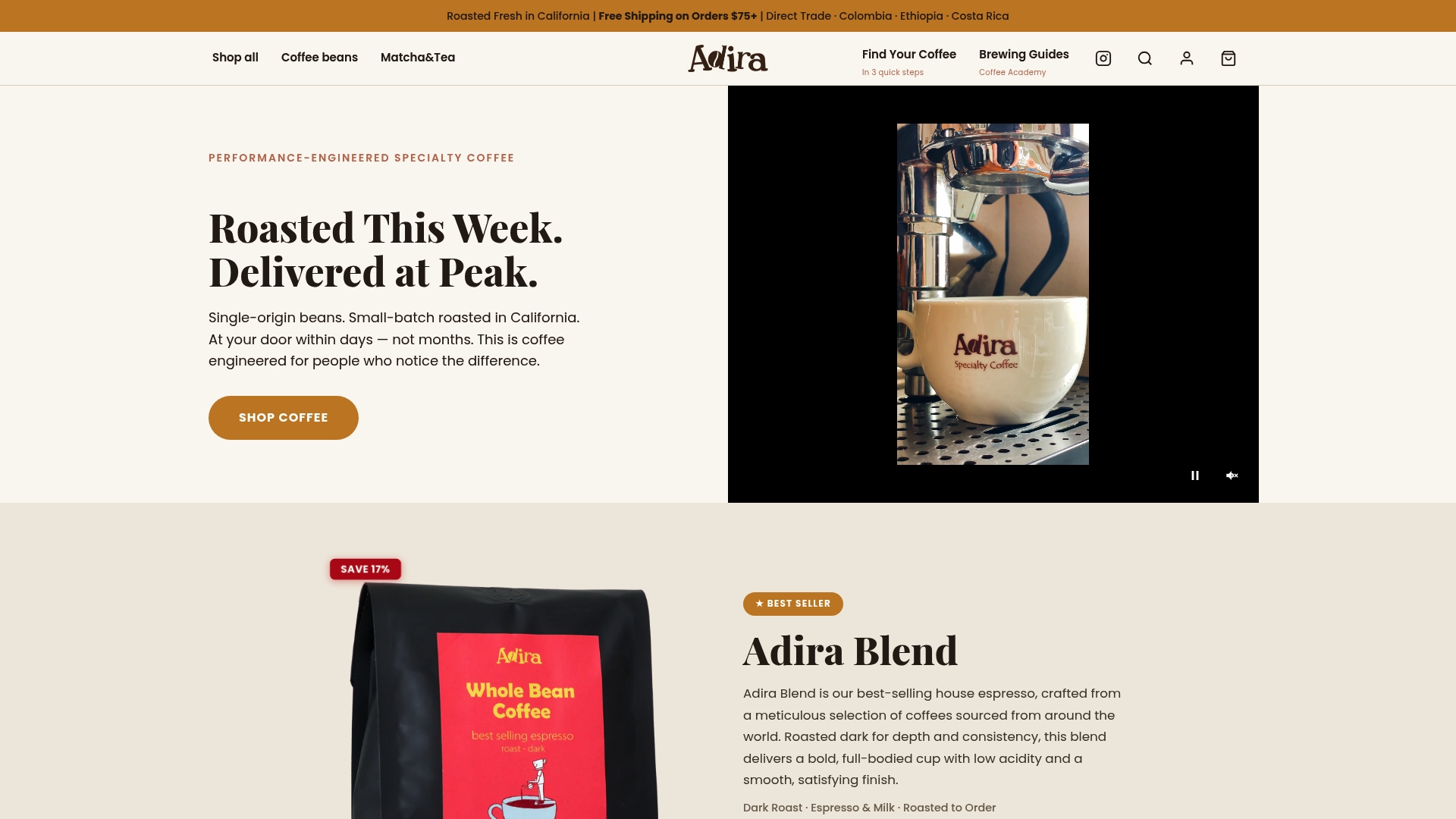
Beyond beans, developing espresso skills benefits from reliable equipment and educational resources. Adira Coffee provides brewing guides and product recommendations to help home baristas refine their technique and achieve café-quality results. Explore the collections at Adira Coffee to discover beans and tools that transform your espresso preparation from guesswork into consistent, delicious shots you’ll be proud to serve.
FAQ
What is the difference between espresso and regular coffee?
Espresso is brewed quickly under high pressure, yielding a concentrated, intense coffee shot unlike drip or pour-over methods that rely on gravity for extraction. The pressurized brewing creates crema, a unique creamy foam layer on top that regular coffee lacks. Espresso’s concentrated nature means it packs more flavor into a smaller volume, typically 1-2 ounces compared to 6-12 ounce drip servings.
Why is grind size important for espresso?
Finer grind size increases surface area exposure, enabling proper extraction during espresso’s brief 25-30 second brewing time. Too coarse a grind causes under-extraction, producing sour, weak shots lacking body and sweetness. Conversely, too fine a grind leads to over-extraction and bitterness, creating harsh, astringent flavors that overpower the coffee’s natural characteristics.
Can I make espresso without a machine?
True espresso requires the 9 bars of pressure that only specialized machines provide, making authentic espresso impossible without proper equipment. Moka pots and AeroPress devices can create strong, concentrated coffee that approximates espresso character but don’t generate sufficient pressure for genuine crema or proper extraction. These alternatives offer enjoyable coffee but represent different brewing methods rather than true espresso.
How fresh should espresso beans be?
Espresso beans perform best between 7-21 days after roasting when degassing has stabilized but freshness remains high. Coffee older than one month typically tastes flat, produces minimal crema, and lacks the vibrant flavors of fresher beans. Store beans in airtight containers away from light, heat, and moisture to preserve quality as long as possible after the optimal window.
What makes a good espresso shot?
A well-extracted espresso balances sweetness, acidity, and bitterness with rich body and pleasant mouthfeel. The shot should exhibit thick, golden-brown crema and taste cohesive rather than displaying harsh or sour notes. Extraction time around 25-30 seconds for a double shot generally indicates proper grind size and technique, though slight variations occur based on beans and roast level.