
Fruity coffee beans are not flavored with anything. The berry, citrus, and stone-fruit notes you taste come entirely from the bean’s genetics, where it was grown, and how the cherry was processed after harvest. The most reliably fruit-forward styles are natural-process Ethiopian lots (especially heirloom varieties from Yirgacheffe and Sidamo), Kenyan washed lots with bright blackcurrant acidity, and carbonic-maceration or experimental-fermentation lots from any origin. For a quick starting point:
- Natural-process Ethiopian heirloom — blueberry, jammy, winey
- Kenyan washed — blackcurrant, citrus, bright acidity
- Carbonic maceration / experimental ferment — intense tropical or raspberry-like esters
- Honey-processed Colombia — stone fruit, balanced sweetness
- Adiracoffee quick picks: the Love Blend for a curated fruit-forward filter cup, Cold Brew for mellow fruit sweetness, and the Mushroom Coffee (Medium Roast) for a lighter, more nuanced profile
When buying, look for three things on the bag: the processing method, a roast date within the last four weeks, and tasting notes that name a specific fruit family rather than just saying “fruity.”
Key Takeaways
Natural-process Ethiopian and Kenyan washed lots are the most reliable sources of fruit-forward coffee, and light-to-medium roasting with lower brew temperatures is what keeps those notes in the cup.
| Point | Details |
|---|---|
| Processing drives fruit character | Natural process amplifies berry and jammy notes; washed produces citrus acidity; honey sits between the two. |
| Roast level is critical | Light-to-medium roast preserves volatile esters; dark roast converts them to caramel and bitter notes. |
| Freshness window matters | Buy within four weeks of roast date for peak fruit expression, especially on light-roast lots. |
| Brew cooler and coarser | Water around 195–200°F and a slightly coarser grind than usual keeps delicate fruit esters intact. |
| Adiracoffee for fruity lots | The Love Blend, Cold Brew, and Mushroom Coffee (Medium Roast) cover the main fruity profiles, roasted to order and shipped fresh. |
Table of Contents
- Why do fruity coffee beans taste like fruit?
- What does “fruity” actually mean in the cup?
- How processing methods create or amplify fruity notes
- Which origins reliably deliver fruity profiles?
- How to brew fruity coffee to actually taste the fruit
- How to taste and identify fruit notes at home
- What to look for when buying fruity coffee beans
- What the research says about fermentation and fruity flavors
- What I actually look for in a fruity lot
- Fresh, fruity, and roasted to order from California
- Sources
Why do fruity coffee beans taste like fruit?
The short answer: organic acids and aromatic esters. Citric, malic, and tartaric acids give coffee its brightness, while fermentation-derived esters produce the berry, tropical, and stone-fruit aromas that make a cup smell like a fruit bowl. Light roasting preserves these volatile compounds; push the roast darker and they convert into caramelized and bitter pyrazine-derived notes instead.
Three production levers shape how much fruit ends up in your cup.
Origin and varietal. High-altitude farms on volcanic soils slow cherry maturation, giving the seed more time to accumulate flavor precursors. Heirloom Ethiopian varieties carry genetic traits that predispose them to berry and stone-fruit profiles. A peer-reviewed review confirms that both pre-harvest and post-harvest factors exert major influence on cup quality and that processing choices significantly affect biochemical composition and sensory outcomes. Understanding how origin shapes flavor and terroir helps explain why two beans processed identically can still taste very different.
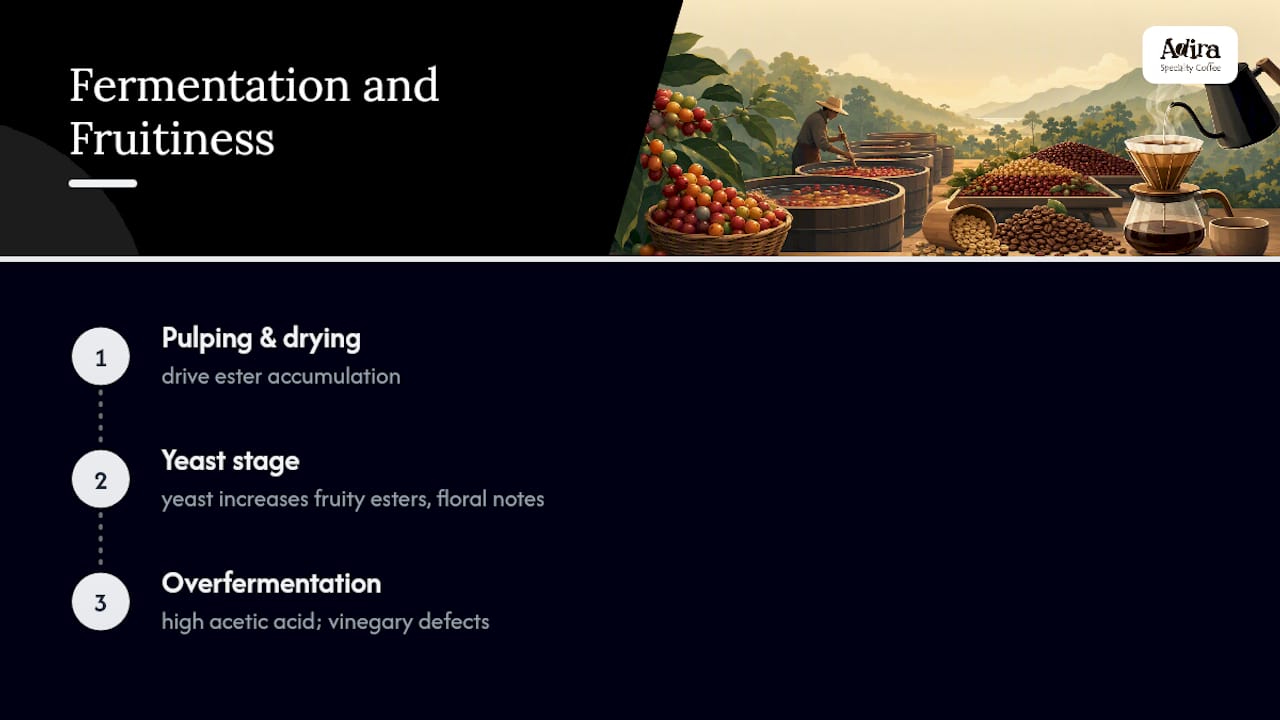
Postharvest processing. Fermentation during pulping and drying drives ester accumulation. A 2026 review tracking volatile biomarkers through postharvest stages found that yeast-driven fermentations increase the fruity esters associated with fruity and floral sensory notes, while high acetic acid signals overfermentation and vinegary defects.
Roast degree. The SCA Flavor Wheel maps “fruity” to six distinct subcategories: citrus, berry, red fruit, stone fruit, tropical, and jammy/winey. All six sit in the lighter, more volatile end of the wheel. A light roast targets that zone; a medium-dark roast shifts the profile toward the caramel and nut sectors.
What does “fruity” actually mean in the cup?
Fruity is a spectrum, not a single note. Here is how the main families break down, with the origin and processing combinations most likely to produce each one:
- Citrus (lemon, orange, grapefruit): Clean, bright acidity with a sharp top note. Most common in washed Ethiopian Yirgacheffe and Kenyan lots. The sensation hits the sides of your tongue first.
- Berry (blueberry, strawberry, blackberry): Soft, rounded sweetness with low acidity. Ethiopian natural-process lots are the textbook example. Blueberry in a natural Yirgacheffe is almost a cliché at this point, but it is real.
- Red fruit (cherry, raspberry, cranberry): Tart-sweet balance, often with a winey quality. Kenyan washed and natural-process lots from Colombia both show this. Researchers identified three specific compounds (2-methylpropanal, 3-methylbutanal, and ethyl 3-methylbutanoate) that contribute to fermented coffee’s raspberry-like aroma.
- Stone fruit (peach, apricot, nectarine): Soft, low-acid sweetness. Honey-processed Costa Rica and Colombia are reliable sources. The sweetness sits in the middle of the palate rather than the edges.
- Tropical (pineapple, mango, passionfruit): High-ester, often from carbonic maceration or extended fermentation. Panama Geisha lots and experimental Colombian ferments frequently show this.
- Jammy/winey: Concentrated, almost syrupy fruit. Natural-process Ethiopian and Brazilian lots at the riper end of the spectrum. Body is heavier than the citrus or berry categories.
The key sensory distinction worth knowing: citrus acidity registers as a sharp, quick sensation that fades fast. Berry sweetness lingers longer and feels rounder. If you are not sure which you are tasting, pay attention to where on your tongue the sensation peaks and how long it stays.
How processing methods create or amplify fruity notes
Processing is the most reliable flavor map a buyer has. The method tells you more about what is in the bag than the country of origin alone.
An SCA-aligned industry guide summarizes the sensory tendencies clearly: natural/dry processing produces sweeter, more intense fruity notes; washed processing produces cleaner, brighter citrus acidity; honey/semidry sits between the two. Here is what actually happens at each stage:
- Natural (dry process): The whole cherry dries on raised beds for 3–6 weeks. Sugars and fruit pulp ferment directly against the seed, driving ester accumulation and jammy sweetness. Result: berry, blueberry, winey, heavy body.
- Washed (wet process): Pulp is removed mechanically before fermentation, then the seed ferments briefly in water tanks. Cleaner cup, brighter citrus acidity, less body. The role of processing methods in coffee flavor goes deeper on the chemistry here.
- Honey (semidry): Pulp is removed but some or all of the mucilage stays on the seed during drying. Yellow honey retains less; black honey retains more. Fruit notes are softer and sweeter than natural, with more clarity than washed.
- Carbonic maceration: Whole cherries ferment in a CO₂-saturated sealed vessel, a technique borrowed from winemaking. The anaerobic environment produces novel, intense esters. Tropical fruit, candy-like raspberry, and passionfruit notes are common. These lots command premium prices in specialty markets.
- Extended/controlled fermentation: Producers manipulate reserve time, temperature, and yeast strains to target specific ester profiles. A 2024 study found that extending fruit reserve time from 24 to 48 hours increased the frequency of fruit and red-fruit sensory descriptors under the tested conditions.
Red flags to watch for: A vinegary or sharp acetic note means overfermentation. Musty or earthy off-notes can indicate mold from poorly managed drying. If a bag’s tasting notes say “fermented” without specifying a controlled method, that is a warning, not a selling point.
Which origins reliably deliver fruity profiles?
Some origin-and-process combinations are consistent enough that you can predict the cup before you open the bag.
Ethiopian naturals (Yirgacheffe, Sidamo, Guji) are the most dependable source of berry and jammy notes. Heirloom varieties on high-altitude farms produce pronounced blueberry and stone-fruit precursors. Buy light roast, brew within three weeks of roast date, and expect a heavy, sweet cup. Farm practices that influence fruity precursors explain why altitude and soil type matter so much here.
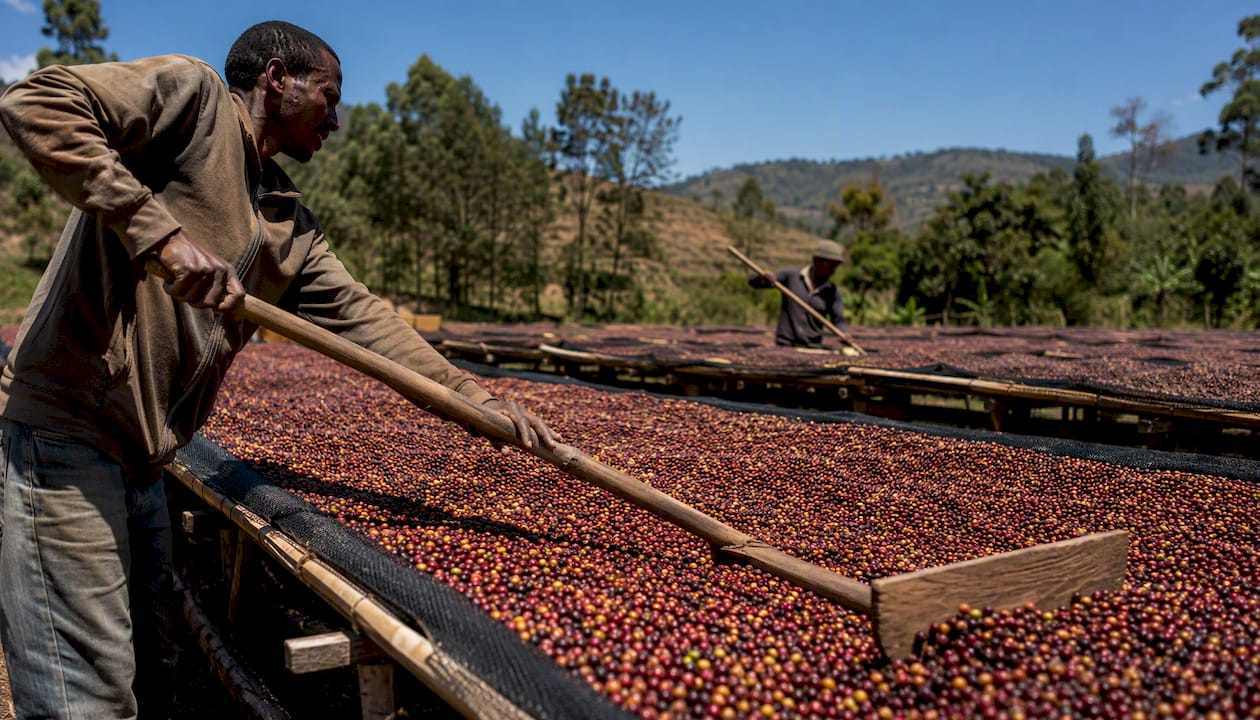
Kenyan washed lots (SL28, SL34 varietals) deliver blackcurrant, tomato, and citrus acidity that is unlike anything else in coffee. The phosphoric acid content in Kenyan beans is unusually high, which creates a bright, almost effervescent quality. Medium-light roast works best.
Panama Geisha (washed or natural) produces floral, jasmine, and tropical fruit notes. Expensive and variable by lot, but the best examples are genuinely extraordinary. Washed Geisha leans citrus and floral; natural Geisha leans tropical and berry.
Honey-processed Colombia sits in the stone-fruit and peach zone. More approachable than Ethiopian naturals for drinkers who find jammy cups too intense. Medium roast is fine here without losing the fruit character.
Carbonic maceration / experimental fermentation lots from Colombia, Costa Rica, or Ethiopia can produce intense tropical or raspberry profiles. These are the most variable category, so reading the specific tasting notes matters more than the origin alone.
For Adiracoffee’s lineup: the Love Blend is the go-to for a curated, fruit-friendly filter experience. The Cold Brew emphasizes fruit sweetness through cold extraction, which softens acidity and lets berry notes come forward. The Mushroom Coffee (Medium Roast) offers a lighter, more nuanced profile for those who want something beyond a straight single-origin.
How to brew fruity coffee to actually taste the fruit
The single most common reason a fruit-forward lot tastes flat at home: the wrong brewing setup. Dark roast, too-fine a grind, and water above 205°F all suppress the delicate esters you paid for.
Start with light-to-medium roast beans, a slightly coarser grind than you normally use, water around 195–200°F, and a clean extraction method. Here are four reproducible recipes:
-
V60 pour-over (best for citrus and berry notes) Dose: 15g coffee / 250g water. Grind: medium-fine (just coarser than espresso). Water: 198°F. Bloom 30g water for 30 seconds, then pour in slow spirals to 250g total over 2:30–3:00. Expect a clean, bright cup where citrus and berry acidity are most distinct. Understanding coffee blooming helps you get the most out of this step.
-
Aeropress (best for stone fruit and tropical notes) Dose: 17g coffee / 220g water. Grind: medium. Water: 195°F. Inverted method, steep 2:00, press slowly over 30 seconds. The slightly lower temperature and shorter contact time preserve tropical esters without over-extracting bitterness.
-
Espresso dial-in for fruit-forward lots Dose: 18g in / 38–40g out. Time: 26–30 seconds. Temperature: 198°F. Ratio is slightly longer than standard to avoid the bitter extraction that buries fruit notes. Expect a syrupy, red-fruit shot rather than a traditional espresso bite.
-
Cold brew (best for jammy, berry-heavy naturals) Dose: 1:8 coffee-to-water ratio by weight. Grind: coarse. Steep 14–18 hours at refrigerator temperature. Cold extraction mutes acidity and amplifies sweetness, which makes natural-process Ethiopian lots taste like blueberry juice. The Cold Brew from Adiracoffee is already dialed in for this profile.
Pro Tip: Pull your extraction slightly short on fruit-forward lots. Stopping a pour-over at 2:45 instead of 3:15 favors bright esters over the heavier caramelized notes that develop in the final extraction phase. The cup will taste lighter but more distinctly fruity.
How to taste and identify fruit notes at home
You do not need a professional cupping setup. A small cup, hot water, and focused attention are enough.
- Grind fresh and smell dry. Before brewing, smell the dry grounds. Fruit aromas are most volatile and easiest to detect here. Note whether you get citrus, berry, or something more tropical.
- Brew a small sample (10g coffee / 150g water) using your usual method. Let it cool to around 150°F before tasting.
- Sniff the brewed cup. Swirl gently and inhale. The aroma at this stage often reveals the fruit family before you taste anything.
- Slurp. Take a small sip and aerate it across your whole palate. Slurping spreads the liquid and volatilizes the esters so your retronasal olfactory system picks them up.
- Evaluate in sequence: acidity first (where does it hit? how sharp?), then sweetness (does it linger?), then body (light and clean, or heavy and syrupy?), then aftertaste (does the fruit note persist or fade quickly?).
- Write it down. A simple note template: Acidity: high / citrus-lemon. Sweetness: medium / blackberry. Body: light. Aftertaste: clean, short.
The SCA Flavor Wheel is worth keeping open on your phone while you do this. Matching what you taste to a specific wheel category trains your palate faster than any other method.
What to look for when buying fruity coffee beans
Most of the information you need is on the bag or the roaster’s product page. Here is what to check:
- Processing method: Natural or carbonic maceration for berry/jammy; washed for citrus; honey for stone fruit. If the method is not listed, ask.
- Roast date: Buy within four weeks of roast for peak fruit expression. The freshness window for specialty brews explains why this window matters more for light roasts than dark ones.
- Roast level: Light to medium. Dark roast on a fruity lot is a waste of the processing work.
- Tasting notes: Look for specific fruit families (blueberry, lemon, peach), not just “fruity” or “bright.” Vague descriptors usually mean the roaster is not confident in the lot.
- Origin and lot size: Single-origin, small-lot coffees are more likely to show distinct fruit character than large commercial blends.
Pricing: Specialty fruit-forward lots, especially carbonic maceration and experimental ferments, typically run in a moderate to higher price range per 250g bag in the U.S. market. If a “single-origin natural Ethiopian” is priced under $12 for 12 oz, the processing quality is probably not there.
Red flags: No roast date on the bag. Tasting notes that say only “fruity” or “smooth.” A dark roast label on a lot marketed for its berry notes. Suspiciously low price for a named experimental processing method.
Questions to ask a roaster if details are missing: What processing method was used? What was the approximate harvest date? Is this a single-farm lot or a cooperative blend? How long has it been since roasting?
What the research says about fermentation and fruity flavors
The science behind fruit-forward coffee is more specific than most buyers realize.
A 2026 review tracking volatile biomarkers through postharvest stages identified more than 800 volatile compounds in coffee and found that ester accumulation during fermentation correlates directly with fruity and floral sensory notes. Yeast-driven fermentations consistently increase these esters. High acetic acid, by contrast, signals overfermentation and vinegary defects. The ratio of fruity esters to acetic acid is a practical quality signal.
A 2024 study on fruit reserve conditions showed that extending reserve time from 24 to 48 hours increased the frequency of fruit and red-fruit descriptors, though results depend on maturity stage, temperature, and fruit integrity. Producers who control these variables carefully can reliably shift a lot’s sensory profile toward red fruit.
Researchers have also identified specific compounds behind fermented coffee’s raspberry-like aroma: 2-methylpropanal, 3-methylbutanal, and ethyl 3-methylbutanoate, as reported by ScienceDaily. These are not added. They form through microbial activity during fermentation.
Processing choices significantly affect biochemical composition and sensory outcomes, with both pre-harvest and post-harvest factors each exerting major influence on final cup quality. Wet processing tends to preserve intrinsic bean qualities under controlled conditions, while dry processing amplifies fermentation-derived esters that produce the jammy, berry, and tropical notes associated with fruit-forward cups.
Adiracoffee applies this directly: sourcing from cooperatives and small farms in Ethiopia, Colombia, and Costa Rica where processing details are documented, roasting to light-to-medium profiles that preserve volatile esters, and shipping within days of roasting so those esters reach the cup intact rather than off-gassing in a warehouse.
What I actually look for in a fruity lot
The conventional wisdom says “buy Ethiopian natural, get blueberry.” That is true often enough to be useful, but it misses the more interesting story. The fruit in a great natural-process lot is not just a byproduct of leaving the cherry on. It is the result of a producer making dozens of controlled decisions: when to pick, how long to let the cherry rest before pulping, what temperature to dry at, how often to turn the beds. Two natural Yirgacheffes from farms two kilometers apart can taste completely different because one producer is meticulous and the other is not.
What I look for when Adiracoffee sources a lot is whether the producer can tell us the processing details. Vague answers about “traditional natural process” are a flag. Specific answers about reserve times, drying duration, and fermentation temperature tell us the producer is paying attention. That attention is what ends up in the cup.
Adira’s sourcing regions, particularly Ethiopia and Colombia, are chosen partly because the farms we work with treat processing as a craft, not just a step. Small-batch roasting in California lets us dial each lot to the roast level where its specific fruit character peaks, rather than applying a house profile across everything.
Fresh, fruity, and roasted to order from California
Adiracoffee roasts every bag to order in small batches in California and ships directly to you within days of roasting. That freshness gap matters more for fruit-forward lots than any other category because the volatile esters responsible for berry, citrus, and tropical notes start degrading the moment roasting ends.
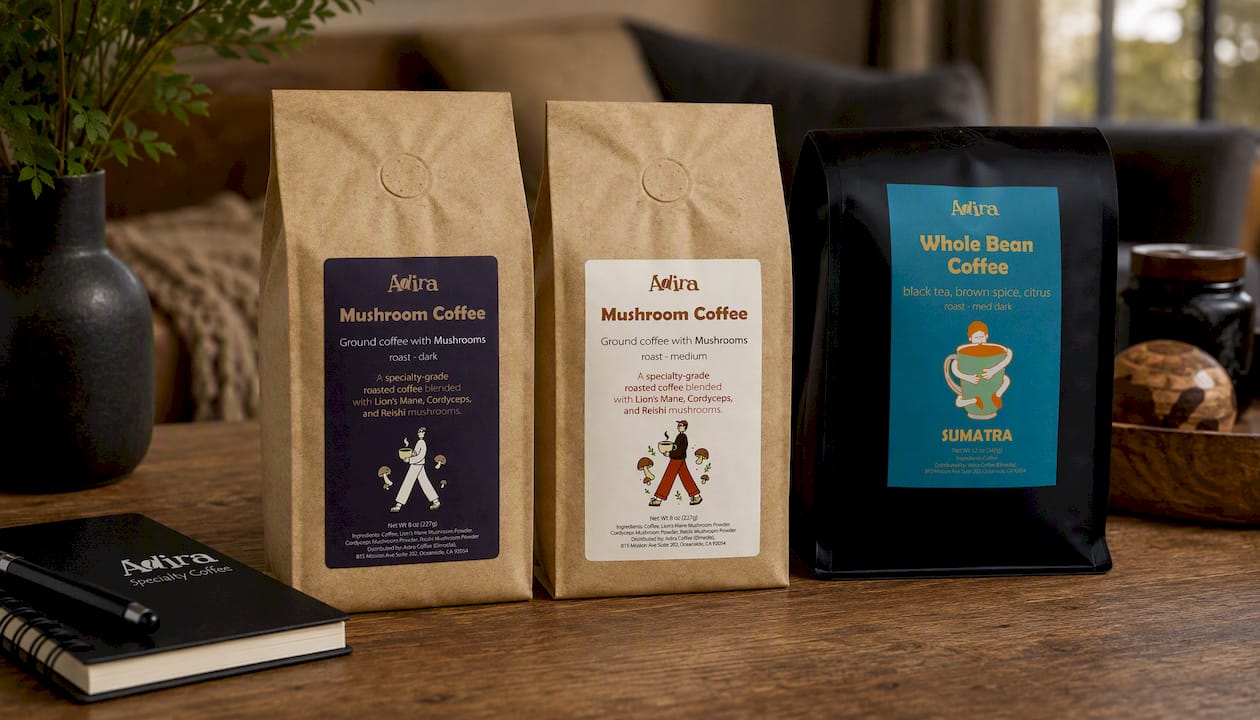
The lineup covers the full fruity spectrum: the Love Blend for a curated fruit-forward filter cup, Cold Brew for mellow berry sweetness through cold extraction, Mushroom Coffee (Medium Roast) for a lighter nuanced profile, and Mushroom Coffee (Dark Roast) for those who prefer a bolder cup. Subscribe through the Coffee Plan for 10% savings and free U.S. shipping on orders over $35, and get a personalized brewing recipe matched to your specific equipment with every order.
Sources
- Tracking aromatic volatile biomarkers through coffee bean postharvest stages
- Impact of fruit reserve conditions from harvest to processing on the chemical composition and quality of coffee
- Fermented coffee’s fruity aromas demystified | ScienceDaily
- Exploring the impacts of postharvest processing on the aroma formation of coffee beans – A review