
TL;DR:
- Coffee flavor is influenced from farm to cup, with origin, processing, and freshness playing crucial roles.
- Brewing variables like grind size, water temperature, and equipment calibration significantly affect the final taste, often more than origin alone.
Most people assume their coffee tastes the way it does because of the beans they bought or the roast level on the bag. The reality is far more layered. The factors affecting coffee flavor span the entire journey from seed to cup, and understanding even a handful of them will change how you brew, what you buy, and how you evaluate what’s in your mug. This article breaks down the most influential variables, grounded in real extraction science and practical experience, so you can stop guessing and start tasting with intention.
Table of Contents
- Key takeaways
- 1. The factors affecting coffee flavor start at the farm
- 2. Coffee varietal and processing choices shape the taste profile
- 3. How roast affects flavor compounds and why freshness matters
- 4. Brewing method effects on extraction and cup character
- 5. Grind size, water temperature, and brew ratio controls
- 6. Water quality and its impact on what you taste
- 7. Equipment quality and cleanliness
- My take on chasing better flavor
- Explore flavor differences with Adiracoffee beans
- FAQ
Key takeaways
| Point | Details |
|---|---|
| Origin and terroir matter | Geography, altitude, and climate shape flavor complexity before a single bean is roasted. |
| Processing changes everything | Natural, washed, and co-fermented processes produce dramatically different taste profiles from the same crop. |
| Freshness is non-negotiable | Beans lose volatile aromatics fast; use them within two to four weeks of the roast date for peak flavor. |
| Brewing variables control balance | Grind size, water temperature, and brew ratio together determine whether your cup is bright, balanced, or bitter. |
| Water quality is often overlooked | Mineral composition and pH directly affect how well flavor compounds extract from the coffee. |
1. The factors affecting coffee flavor start at the farm
Before any processing or roasting happens, the environment where coffee grows lays the foundation for its entire flavor potential. This concept is called terroir, borrowed from the wine world, and it is just as real in coffee. Soil chemistry, rainfall patterns, shade cover, and elevation all shape the chemistry inside the coffee cherry before it is ever harvested.
Altitude deserves special attention here. Coffees grown at higher elevations mature more slowly in cooler temperatures, which allows for denser, more complex bean development. That slower maturation concentrates sugars and acids, giving you the bright, nuanced cups associated with Ethiopian highlands or Costa Rican micro-lots. You can explore how altitude shapes complexity in detail if this is new territory for you.
Key environmental variables that shape your coffee taste profile include:
- Altitude: Higher growth generally means more acidity and layered complexity
- Temperature fluctuations: Cool nights and warm days create denser beans and more developed sugars
- Soil composition: Volcanic soils found in Guatemala or Ethiopia contribute to distinct mineral and fruit notes
- Rainfall and dry seasons: Timing of rain relative to harvest affects cherry ripeness consistency
Regional flavor patterns emerge predictably. Colombian coffees tend to offer caramel sweetness and balanced acidity. Ethiopian naturals lean toward blueberry and floral aromatics. Sumatran coffees carry earthiness and full body from their humid, low-altitude growing conditions.
2. Coffee varietal and processing choices shape the taste profile
Two farms at the same altitude, growing different coffee cultivars and processing them differently, will produce cups that taste like entirely different species. Varietal genetics and post-harvest processing are two of the most powerful levers in specialty coffee.
Common arabica varietals and their flavor tendencies:
- Bourbon: Sweet, complex, with soft fruit and caramel notes
- Gesha (Geisha): Floral and tea-like, with jasmine and stone fruit at the forefront
- Typica: Clean and classic with bright acidity and mild sweetness
- Caturra: Crisp citrus acidity and moderate body, very common in Colombian coffees
Processing takes the varietal’s raw potential and either amplifies or redirects it. Washed coffees remove the fruit before drying, so the cup reflects the bean’s native character with high clarity. Natural processing dries the coffee inside the fruit, imparting deep berry and syrupy sweetness. Honey process falls in between, leaving varying amounts of mucilage on the bean.
Co-fermentation is the newest and most debated method. Producers introduce specific yeast strains or organic additives during fermentation to amplify flavor. The results can be spectacular, but co-fermentation raises authenticity concerns because the added flavors may obscure the origin’s natural terroir expression. Many enthusiasts and roasters are skeptical for exactly this reason. Transparency from the producer becomes critical when buying processed coffees.
Pro Tip: If you want to taste terroir clearly, start with a washed single-origin before exploring naturals or co-fermented lots. The washed version gives you the clearest reference point for what a specific origin actually tastes like.
3. How roast affects flavor compounds and why freshness matters
Roasting is where raw agricultural potential becomes coffee as we know it. Heat drives the Maillard reaction and caramelization, breaking down acids and building new flavor compounds. How roast affects flavor is not a matter of “light is better” or “dark is richer.” Each roast level is a genuine transformation.
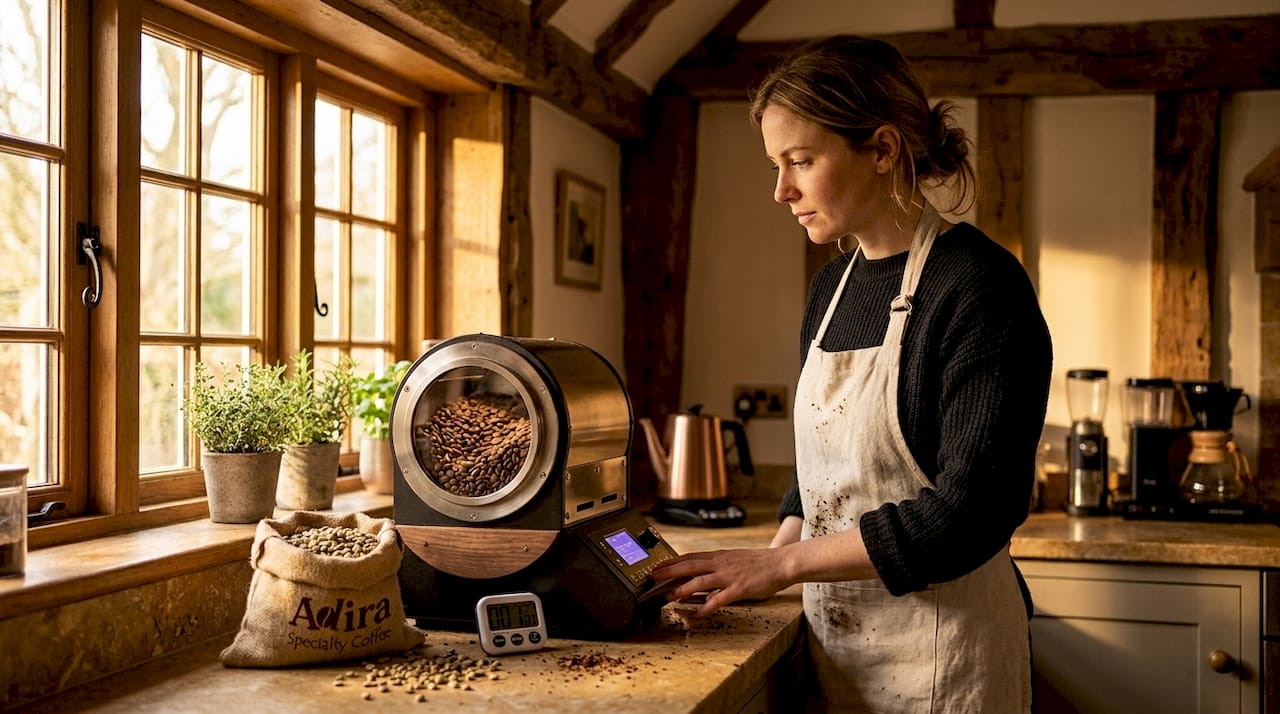
Light roasts preserve the origin’s natural acids and floral or fruit notes, which is why they are the preferred choice in specialty coffee for showcasing terroir. Medium roasts balance brightness with body, often expressing chocolate, nuts, and brown sugar. Dark roasts push into bitterness, smoking out the origin character in favor of roast-forward notes like dark chocolate and charcoal.
What most people miss is that the roast level also affects solubility. A recipe dialed in for a medium roast will likely under or over-extract when applied to a light or dark roast without adjustment. This is why experienced brewers recalibrate grind and ratio every time they switch roast levels.
Freshness is equally critical. Volatile aromatics degrade rapidly after roasting, and stale beans produce flat, hollow cups regardless of how good the origin or roast was. Ideally, you want to brew within two to four weeks of the roast date. Buying directly from roasters who print roast dates is the simplest way to guarantee freshness. Check peak flavor timing if you want specific guidance on rest periods and brewing windows.
4. Brewing method effects on extraction and cup character
Brewing method effects on your final cup are profound and often underappreciated. Every brew method is essentially a different way of controlling contact time, agitation, and filtration. These variables determine how much and which compounds extract into your cup.
Here is a practical comparison of common brewing approaches:
| Brew Method | Extraction Style | Cup Character |
|---|---|---|
| Pour over (V60, Chemex) | Controlled drip with paper filter | Clean, bright, high clarity |
| French press | Full immersion, metal filter | Full body, heavy oils, lower clarity |
| AeroPress | Pressure and short immersion | Versatile, concentrated, smooth |
| Espresso | High pressure, fine grind | Intense, syrupy, complex |
| Cold brew | Cold water immersion, long steep | Low acid, sweet, smooth body |
Paper filters reduce extracted oils, which is why pour-over cups taste cleaner and brighter than French press. Immersion methods tend to produce rounder, fuller cups because of longer contact time and the absence of filtration. Neither is better in absolute terms. They are different tools for expressing different things.
Understanding extraction science helps you predict how a method will behave before you start troubleshooting.
5. Grind size, water temperature, and brew ratio controls
These three variables are the steering wheel of any brew. Get them right and your coffee expresses everything the bean and roast have to offer. Get them wrong and you are fighting against the coffee, not with it.
The fundamentals:
- Grind size controls how fast water passes through the coffee and how much surface area is exposed. Finer grinds extract faster and stronger. Coarser grinds extract slower and lighter. Grind size is usually the first variable to adjust when troubleshooting flavor.
- Water temperature directly affects which compounds dissolve. The optimal range for filter coffee is 90 to 96°C (194 to 205°F). Below 90°C, you under-extract and get sourness. Above 96°C, you risk over-extraction and bitterness.
- Brew ratio determines strength. The Specialty Coffee Association recommends a ratio close to 1:18 for balanced cups, but ratios between 1:15 and 1:17 are common for those who prefer more body and intensity.
Extraction yield and total dissolved solids tell you objectively whether your brew is balanced. An extraction yield of 18 to 22% is the target range. Below 18% means under-extraction, which tastes sour and thin. Above 22% tips into over-extraction, which produces astringent bitterness.
One overlooked technique is the bloom. Blooming your grounds for 30 to 45 seconds with two to three times the coffee weight in water releases trapped CO2 and sets up even extraction. If your grounds do not bloom at all, that is a clear signal your beans are past their peak freshness.
Pro Tip: Change only one variable at a time when adjusting your brew. If you tweak grind size, ratio, and temperature simultaneously, you will never know which change made the difference.
6. Water quality and its impact on what you taste
Water makes up more than 98% of your brewed coffee. It is the solvent doing all the extraction work. Yet most home brewers spend their entire budget on beans and equipment while brewing with whatever comes out of the tap.
Mineral content matters enormously. Magnesium and calcium both enhance flavor extraction and mouthfeel, helping pull desirable compounds from the ground coffee. The sweet spot for water is a TDS between 75 and 150 ppm with a pH of 6.5 to 7.5.
Common water problems and their flavor consequences:
- Chlorinated tap water: Chlorine reacts with organic compounds in coffee, introducing metallic or medicinal off-flavors
- Distilled or reverse osmosis water: Too pure, with no minerals to facilitate extraction, resulting in flat, lifeless cups
- Hard water: Excess calcium carbonate clogs flavor reception and builds up scale in equipment, dulling extraction over time
- Soft water: Can over-extract certain bitter compounds without the buffering effect of minerals
A simple fix is to use a quality water filter like a Brita or a dedicated in-line filter for your brewing setup. Some serious home brewers go further and use mineralized water by adding precise mineral additions to distilled water. It sounds extreme until you taste the difference.
7. Equipment quality and cleanliness
Even with perfect beans, great water, and correct technique, poor equipment can undermine your cup. Two pieces of gear matter more than anything else: your grinder and your brewer.
The grinder comparison is not close. Burr grinders produce uniform particle sizes, which means consistent extraction across every particle. Blade grinders chop randomly, creating a mix of fine powder and large chunks. Fine particles over-extract (bitter), while large chunks under-extract (sour) simultaneously. The result is a muddled cup with no clean flavor identity. Furthermore, extraction only penetrates about 100 microns into each particle, making uniform sizing essential to avoid wasted potential.
Filter choice also shapes the cup in measurable ways:
- Paper filters: Trap oils and fine particles, producing clean and bright cups
- Metal filters: Allow oils and fines to pass, adding body and texture
- Cloth (flannel) filters: A middle ground, offering body with slightly more clarity than metal
Cleaning is not optional. Coffee oils go rancid within days and coat every surface they touch. Brewing through dirty equipment introduces bitter, musty off-flavors that no amount of dialing-in will fix. Rinse your equipment after every use and do a deep clean weekly.
Pro Tip: A quick backflush or soak with a small amount of unscented dish soap, followed by a thorough rinse, removes rancid oils from your dripper, carafe, and grinder. Do it weekly and your baseline flavor will improve noticeably.
My take on chasing better flavor
I’ve spent years working directly with farms across Colombia, Ethiopia, Costa Rica, and beyond, and one pattern keeps repeating itself. Enthusiasts obsess over origin and roast level while treating brewing variables as secondary. The reverse is often more productive.
What I’ve found is that a well-calibrated brewing setup with fresh, properly sourced beans will consistently outperform the most exotic lot brewed carelessly. Yes, origin character matters. Yes, the varietal and processing method produce real differences. But those differences only reach your cup fully when the brewing fundamentals are in order.
My honest advice: before you spend more money on rare micro-lots, spend thirty minutes dialing in your current grind and ratio. The gain is immediate and costs nothing. Once your setup is solid, then the origin nuances actually come through clearly. That sequence, fundamentals first and then origin exploration, is where the real learning happens.
I’m also increasingly skeptical of heavily processed co-fermented coffees being sold without clear disclosure. Transparency in sourcing and processing is something I think every buyer deserves. When a flavor seems too unusual for its origin, ask questions about how it was processed before assuming it reflects the terroir.
— Stefan
Explore flavor differences with Adiracoffee beans
Everything in this article becomes tangible the moment you have the right beans to work with. Adiracoffee sources directly from around 50 farms across Colombia, Ethiopia, Costa Rica, Guatemala, Brazil, and Sumatra, with full transparency about origin and processing for every lot.
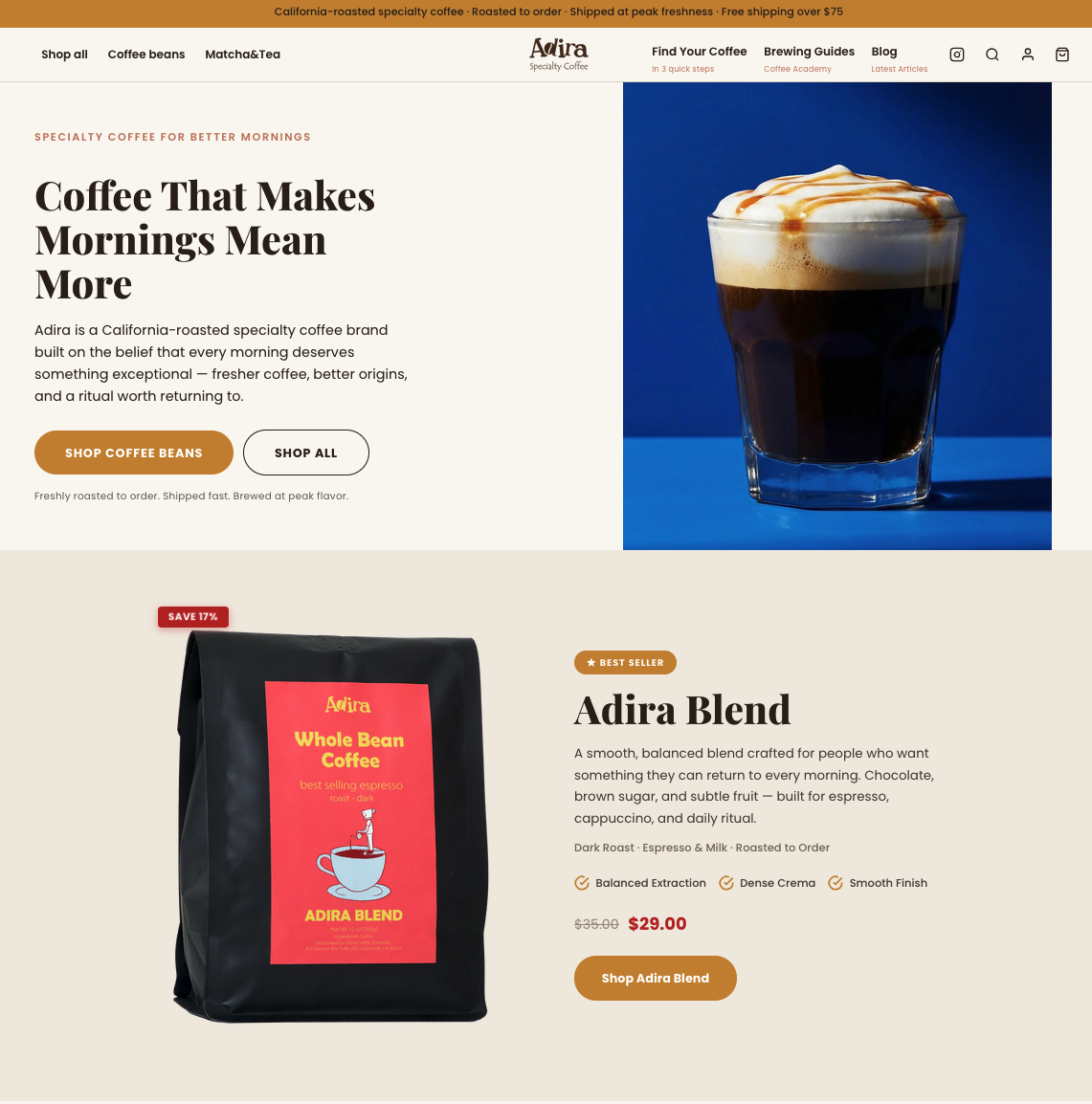
Whether you want to practice dialing in a washed Colombian for clarity and balance or explore the fruit-forward character of an Ethiopian natural, Adiracoffee offers options at every roast level. Browse the full coffee collection to find a bean that matches what you have been reading about, or explore offerings organized by roast level to match your flavor preferences directly. If you are not sure where to start, the Costa Rica single-origin is a clean, approachable way to experience terroir in the cup.
FAQ
What is the single biggest factor in coffee flavor?
No single factor dominates completely. Origin, processing, roast level, and brewing variables all interact, but brewing parameters like grind size and water temperature often have the most immediate and correctable impact on your daily cup.
How does roast level change the taste of coffee?
Light roasts preserve natural fruit and floral acids from the origin. Medium roasts develop chocolate and caramel sweetness. Dark roasts shift the profile toward bitterness and roast-forward notes, reducing origin character significantly.
Why does my coffee taste sour or bitter?
Sourness typically signals under-extraction caused by too coarse a grind, water that is too cool, or too short a brew time. Bitterness usually means over-extraction from too fine a grind, water that is too hot, or too long a contact time.
Does water really affect coffee flavor that much?
Yes. Water outside the optimal mineral range (75 to 150 ppm TDS, pH 6.5 to 7.5) will either under-extract or introduce off-flavors. Chlorinated or distilled water are the most common culprits behind flat or off-tasting home brews.
How fresh do coffee beans need to be for good flavor?
Beans should ideally be used within two to four weeks of the roast date. Beyond that, volatile aromatics degrade and the cup loses brightness, sweetness, and complexity, regardless of how good the origin or roast quality was.
Recommended
- How Coffee Farms Define Flavor: Practices That Impact Quality – Adira Coffee US
- Explore the Best Coffee Flavor Profiles for Every Taste – Adira Coffee US
- How coffee origin shapes flavor, terroir, and taste – Adira Coffee US
- The role of origin in coffee flavor: what every aficionado should know – Adira Coffee US