

TL;DR:
- Fancy coffee scores 80 or higher on the SCA scale, indicating exceptional quality and origin. It is rare, with less than 5-10% of global production qualifying as specialty grade, and less than 0.05% reaching outstanding status. Verifiable details like roast date, origin, and certification distinguish authentic specialty coffee from marketing claims.
Fancy coffee is specialty-grade coffee that scores 80 points or higher on the Specialty Coffee Association (SCA) 100-point grading scale, reflecting exceptional bean quality, skilled roasting, and verifiable origin. Coffees scoring 85–89.99 points qualify as “excellent,” while those reaching 90+ points are classified as “outstanding.” The SCA’s new Coffee Value Assessment (CVA), launched in 2023, goes further by separating objective descriptive data from personal preference scores, giving aficionados a more complete picture of what they’re drinking. Specialty-grade coffee represents only 5–10% of global production, and competition-level quality above 90 points accounts for less than 0.05% of all coffee grown worldwide. That scarcity is the foundation of everything that makes gourmet coffee worth pursuing.
1. What makes fancy coffee different from commercial blends?
The clearest line between specialty and commercial coffee is the defect count. The SCA allows a maximum of five defects per 350g sample for a coffee to qualify as specialty grade. A single defect in a roasted sample can drop a coffee below the specialty threshold entirely. That standard demands rigorous post-harvest sorting, which requires significant manual labor and drives up the cost of production.
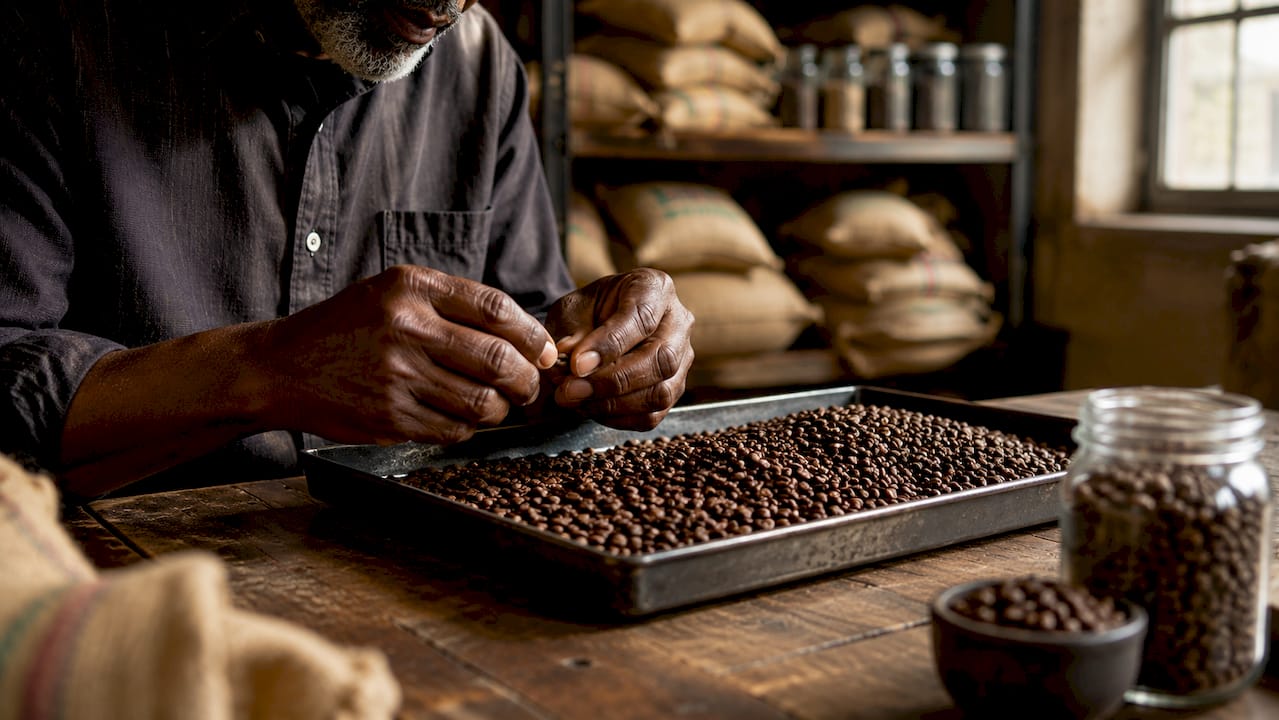
Commercial blends are built for consistency and volume. Specialty coffee is built for traceability and flavor. The difference shows up in the cup: commercial coffee tastes the same from the first sip to the last, while a well-sourced specialty coffee evolves as it cools, revealing new flavor layers that were masked by heat.
Professional Q-graders, certified by the Coffee Quality Institute, evaluate beans against SCA criteria using a standardized cupping protocol. Their assessments cover aroma, flavor, aftertaste, acidity, body, balance, uniformity, and clean cup. A coffee that passes all eight categories with a combined score above 80 earns specialty status.
2. Top specialty coffee varieties worth knowing
Single-origin coffees from specific farms or cooperatives define the upper tier of gourmet coffee options. Variety and terroir, meaning altitude, soil type, and microclimate, shape flavor more than almost any other factor. Three varietals consistently appear at the top of competition results and tasting menus.
- Geisha (Gesha): Originally from Ethiopia, now most celebrated from Panama’s Boquete region. Geisha produces intensely floral, jasmine-forward cups with stone fruit acidity. It regularly scores above 90 points and commands some of the highest prices at auction.
- Bourbon: A natural mutation of Typica, grown across Rwanda, Burundi, and Latin America. Bourbon delivers caramel sweetness with a round, full body. Red Bourbon from Rwanda is particularly prized for its complexity.
- Castillo: A Colombian hybrid developed for disease resistance without sacrificing cup quality. Castillo from Huila and Nariño regions produces bright citrus acidity with chocolate undertones.
Traceability matters as much as variety. Knowing the farm name, harvest date, and processing method, whether washed, natural, or honey-processed, tells you exactly what you’re buying. Adiracoffee sources beans from cooperatives and small farms in Colombia, Ethiopia, Costa Rica, Mexico, and Sumatra, with full origin transparency on every bag.
Pro Tip: When buying single-origin beans, look for the lot number and harvest season on the bag. That level of detail signals a roaster who paid for traceability, not just marketing.
3. Artisan brewing methods that showcase complex flavors
Manual brewing methods preserve the nuance that high-grade beans deliver. Automatic drip machines use fixed water temperatures and preset brew times that rarely match the specific needs of a given coffee. Manual methods give you control over every variable.
- Pour-over (V60, Chemex): Produces a clean, bright cup that highlights acidity and floral notes. Water temperature between 195°F and 205°F extracts the full aromatic range without bitterness. The coffee blooming step, where you pre-wet the grounds for 30–45 seconds, degasses CO2 and allows even extraction.
- AeroPress: Produces a concentrated, low-acid cup with a smooth body. Inverted brewing at 175°F–185°F works well for natural-processed coffees with heavy fruit notes.
- French press: Full immersion brewing extracts oils that paper filters remove. The result is a heavier body with more texture. Best suited for medium to dark roast coffees with chocolate or nutty profiles.
Water quality is not optional at this level. Mineral content directly affects extraction. Soft water under-extracts; very hard water over-extracts. Filtered water with a total dissolved solids count between 75 and 150 ppm hits the target range for most specialty coffees.
Pro Tip: Taste your coffee at three stages: immediately after brewing, at five minutes, and at ten minutes. A high-quality specialty coffee will taste noticeably different, and often better, as it cools.
The flavor factors that matter most are grind size, water temperature, brew ratio, and contact time. Changing any one of these shifts the cup profile significantly.
4. What defines the culture of luxury coffee experiences?
The most significant shift in premium coffee culture is the move from transaction to experience. Coffee omakase replaces the standard order-and-go model with a guided, multi-course tasting led by a skilled barista using rare processing methods and mineral-adjusted waters. The format borrows directly from Japanese omakase dining: you trust the expert to sequence the experience.
- Arrival and orientation: The barista introduces the coffees being served, their origins, and the processing methods used.
- Sequential tasting: Each course features a different coffee, often brewed using a different method to highlight distinct characteristics.
- Guided evaluation: Guests are encouraged to note flavor changes as the cup cools, building sensory vocabulary over the session.
- Pairing and context: Some formats include food pairings or water palate cleansers between courses.
Coffee omakase experiences are priced at $60–$70 per person for multi-course tasting menus. That price reflects the cost of rare beans, skilled labor, and the time investment of a slower, hospitality-focused service model.
“Luxury coffee moves beyond product to include story, ethics, and sensory experience evolving through the cup’s cooling process. The most memorable coffee experiences are built around slowing down, not speeding up.”
Ethical sourcing and direct trade relationships are central to this culture. When a roaster pays above-market prices directly to a farm, that relationship shows up in the quality of the beans and the story behind the cup.
5. How to identify authentic fancy coffee when buying
Genuine specialty coffee is verifiable. Marketing language is not. The difference between a bag worth buying and one that just looks good on a shelf comes down to a short checklist.
- SCA score or equivalent certification: Look for a stated score of 80 or above, or a Q-grader certification on the roaster’s sourcing page.
- Roast date, not best-by date: Specialty coffee is best consumed within two to six weeks of roasting. A roast date tells you the roaster is confident in freshness. A best-by date tells you nothing useful.
- Origin specificity: Country alone is not enough. Look for region, farm or cooperative name, variety, and processing method.
- Defect-free appearance: Whole beans should be uniform in size and color with no visible cracks, chips, or discoloration beyond normal roast variation.
- Transparent flavor notes: Flavor descriptors should be specific, such as “dried apricot, bergamot, brown sugar,” not generic terms like “smooth” or “rich.”
| Claim | What it proves | What to look for instead |
|---|---|---|
| “Premium quality” | Nothing verifiable | SCA score of 80+ |
| “Ethically sourced” | No standard definition | Direct trade relationship or named farm |
| “Smooth” | Subjective marketing term | Specific flavor notes from a cupping report |
| “Artisan roasted” | No regulated meaning | Small-batch roast date within two weeks |
Specialty coffee pricing reflects labor-intensive production, meticulous grading, and ethical sourcing that ensures fair compensation to farmers. A bag priced below $15 for a claimed 90-point coffee is almost certainly not what it claims to be.
6. Classic luxury drinks versus emerging gourmet concoctions
The base formula for any luxury coffee drink is high-quality espresso, precise preparation, and ingredients that complement rather than mask the coffee’s natural flavor. Milk, sweeteners, and additions should enhance the cup, not cover it.
Classic luxury drinks that hold up under scrutiny:
- Espresso macchiato: A double shot of espresso with a small amount of steamed milk foam. The milk softens the edge of the espresso without diluting its intensity.
- Flat white: A double ristretto shot with microfoamed whole milk in a 5-ounce cup. The higher coffee-to-milk ratio keeps the espresso flavor dominant.
- Cortado: Equal parts espresso and warm milk. The balance between coffee and dairy is the point.
Emerging trends in gourmet coffee beverages push further into experimentation. Barrel-aged coffees, where green beans are rested in bourbon or wine barrels before roasting, add fermentation-derived complexity. Mushroom coffee blends, which combine specialty-grade coffee with functional mushroom extracts like lion’s mane or chaga, are gaining traction among aficionados who want both flavor and functional benefit. Adiracoffee offers a dark roast mushroom blend and a medium roast mushroom blend that bring this trend into a small-batch, traceable format.
Curated tasting menus at specialty cafés now treat coffee the way wine bars treat natural wine: with seasonal rotations, producer notes, and guided evaluation. The unique origins behind each coffee on these menus are as important as the drink itself.
Key takeaways
Genuine fancy coffee is defined by verifiable quality metrics, traceable origins, and skilled preparation, not by price tags or marketing language alone.
| Point | Details |
|---|---|
| SCA score is the baseline | Only coffees scoring 80+ on the SCA scale qualify as specialty grade. |
| Rarity is real | Coffees scoring 90+ represent less than 0.05% of global production. |
| Defects determine status | A single defect in a 350g sample can disqualify a coffee from specialty classification. |
| Experience defines luxury | Coffee omakase and hospitality-focused service distinguish premium culture from commercial speed. |
| Transparency is the buying signal | Roast date, farm name, and specific flavor notes separate genuine specialty from marketing. |
Stefan’s take on where fancy coffee is actually heading
The conversation around premium coffee has shifted in a way that I find genuinely encouraging. Five years ago, “fancy coffee” mostly meant a latte with an elaborate design on top. Now it means knowing the elevation of the farm, the name of the processing station, and how the coffee tastes at room temperature. That is real progress.
What I have noticed, though, is that a lot of aficionados stop at the bean and never think hard enough about the water. I have tasted the same 90-point Ethiopian Geisha taste flat and lifeless because the water was wrong. Mineral content is not a detail. It is half the cup. If you are spending serious money on beans, spend ten minutes learning about water chemistry.
The omakase format is the most interesting development in coffee culture right now. Not because it is expensive, but because it forces you to slow down and pay attention. Most people have never tasted a coffee at three different temperatures and noticed what changed. Once you do that once, you cannot go back to drinking coffee on autopilot.
My honest recommendation: buy one bag of a Geisha or a competition-lot natural Ethiopian this year. Brew it three different ways. Taste it hot, warm, and cool. That single exercise will teach you more about what gourmet coffee actually is than any article can.
— Stefan
Adiracoffee’s gourmet blends for the serious coffee drinker
Adiracoffee roasts every bag to order in small batches in California and ships within days of roasting, so you get peak-freshness beans every time.
For aficionados ready to go beyond the standard cup, Adiracoffee’s mushroom coffee line brings functional ingredients into a specialty-grade format. The medium roast mushroom coffee delivers balanced brightness with the added benefit of mushroom extracts. The dark roast version goes deeper and bolder. For travel or office brewing without sacrificing quality, the instant mushroom coffee uses real specialty-grade coffee with mushroom extracts, not a commodity blend. All three ship free on US orders over $35, with a 10% subscription discount available.
FAQ
What score makes a coffee “specialty grade”?
The SCA defines specialty coffee as any coffee scoring 80 points or above on its 100-point grading scale. Coffees scoring 90 or above are classified as “outstanding” and represent less than 0.05% of global production.
What is coffee omakase?
Coffee omakase is a multi-course tasting experience guided by a skilled barista, modeled on Japanese omakase dining. Tastings typically run $60–$70 per person and feature rare coffees brewed using different methods in a curated sequence.
How do I know if a coffee bag is genuinely fancy?
Look for a stated roast date within the past two to six weeks, a specific origin including farm or cooperative name, and a stated SCA score or Q-grader certification. Vague terms like “premium” or “smooth” without supporting data are not quality indicators.
Does brewing method affect specialty coffee quality?
Yes. Manual methods like pour-over, AeroPress, and French press give you control over water temperature, grind size, and brew time, all of which directly affect flavor extraction. The right brewing approach can reveal or destroy the complexity in a high-grade bean.
Why does specialty coffee cost more than commercial coffee?
Specialty coffee pricing reflects labor-intensive post-harvest sorting, meticulous grading by certified Q-graders, and ethical sourcing practices that pay farmers above commodity rates. The price is a function of the production standards required to reach specialty classification.