
TL;DR:
- In 2026, top coffee farms are recognized through rigorous quality benchmarks like the Cup of Excellence and Legends of Excellence, emphasizing consistency and sustainable practices. These awards highlight farms with high scores, diverse varietals, and ecological methods, often spanning multiple seasons and regions. Sustainable certifications and detailed origin information are now integral indicators of true top-tier quality in specialty coffee.
The top coffee farms in 2026 are defined by measurable quality benchmarks, not reputation alone. Programs like the Cup of Excellence and the Alliance for Coffee Excellence’s Legends of Excellence set the global standard, scoring specific lots through blind cupping panels that leave no room for marketing spin. Farms in El Salvador, Honduras, Guatemala, Brazil, Kenya, and even Japan are earning recognition through rigorous evaluation systems that reward consistency, varietal excellence, and sustainable growing practices. If you want to understand which farms are genuinely producing the world’s best coffee this year, these are the frameworks that matter.
1. Which farms lead the Cup of Excellence rankings in 2026?
The Cup of Excellence is the most credible quality signal in specialty coffee. It uses an intensive multi-day blind cupping process to score individual lots against dozens of competing coffees, generating precise scores tied to specific farms, varietals, and processing methods. A score above 90 places a farm in elite territory.
In El Salvador’s 2026 competition, Inversiones Santonano, S.A. De C.V. (known as “La Esperanza”) scored 91.95 points after four days of cupping, claiming the top position. The top three winners all scored above 90 and featured varietals including Bernardina and Pacamara, processed through honey and natural methods. These processing techniques preserve the fruit’s natural sugars, producing cups with layered sweetness and complexity that score exceptionally well.
El Salvador’s high-altitude microclimates create ideal conditions for Pacamara, a large-bean varietal known for its floral aromatics and bright acidity. Geisha, grown in neighboring Guatemala and Panama, follows a similar profile. Both varietals reward careful processing and precise drying, which is why farms that invest in controlled fermentation and raised-bed drying consistently outperform those using conventional methods.
Key features shared by top Cup of Excellence winners in 2026:
- Altitude above 1,400 meters above sea level
- Single-varietal lots with documented processing protocols
- Natural or honey processing with controlled fermentation
- Cupping scores validated across multiple international judge panels
- Transparent traceability from farm to export lot
2. Who are the 2026 Legends of Excellence?
The Legends of Excellence program, run by the Alliance for Coffee Excellence, honors producers who have demonstrated sustained exceptional quality over multiple Cup of Excellence competition years. A single winning year earns recognition. Multiple wins across different seasons earn legend status.
The 2026 class includes 12 producers across six countries, with six returning legends and six new inductees. Countries represented include Honduras, Guatemala, Costa Rica, Brazil, Nicaragua, and El Salvador. This geographic spread reflects the program’s commitment to recognizing quality wherever it consistently appears, not just in historically dominant regions.
What separates legends from one-time winners is the combination of legacy and continuous improvement. These farms maintain quality through disciplined agronomic practices, investment in processing infrastructure, and often a commitment to varietal diversity and innovative processing methods such as anaerobic natural and honey fermentation. Many also operate at modest scale, which allows for the kind of lot-by-lot attention that produces repeatable 90-plus scores.
Notable characteristics of 2026 Legends of Excellence farms:
- Multiple Cup of Excellence placements across different harvest years
- Operations spanning both small family farms and mid-scale cooperatives
- Active investment in post-harvest processing technology
- Documented sustainability practices including shade-growing and water conservation
- Strong direct-trade relationships with specialty roasters worldwide
3. How are sustainable farms redefining top quality in 2026?
Top farm status in 2026 is no longer determined solely by competition scores. Sustainability certifications and ecological farming methods are becoming equally significant quality signals, particularly as consumers and roasters demand transparency about how coffee is grown.
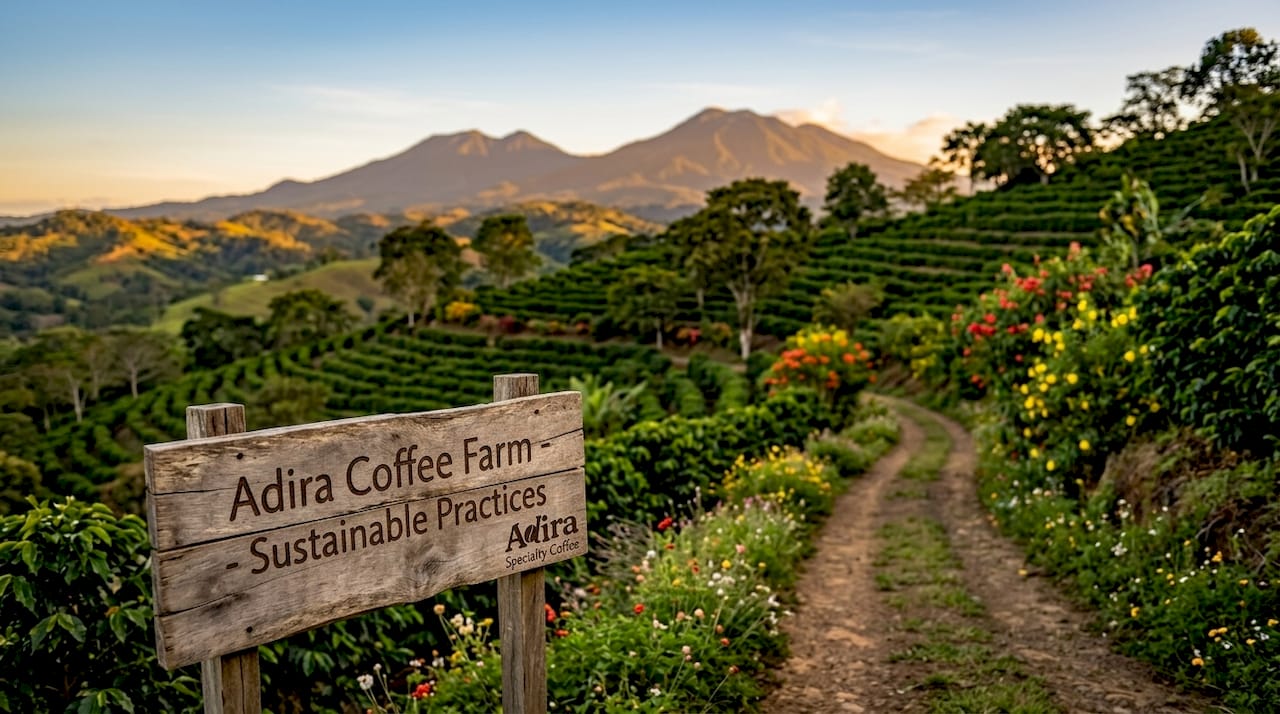
ADA Farm in Okinawa, Japan, is the clearest example of this shift. It holds the distinction of being Japan’s first specialty coffee certified farm, achieving an 80-plus cupping score evaluated across 10 specialized categories including clean cup and distinct acidity. The farm cultivates coffee within preserved virgin forest cycles in northern Okinawa’s Yanbaru region, working with the natural ecological rhythms of the forest rather than clearing land for conventional rows. This approach links high sensory scores with ecological practices that protect natural forest cycles, offering a new model for what a top farm can look like.
ADA Farm also demonstrates the value of non-traditional coffee regions. Okinawa sits at the northern edge of the coffee belt, and its microclimate produces a cup profile unlike anything from Central America or East Africa. Specialty certification scoring across 10 categories enables precise comparisons between different farms and regions, making it possible to evaluate a Japanese farm against a Honduran one on objective sensory grounds.
Pro Tip: When evaluating a coffee farm’s credentials, look beyond competition wins. A farm holding specialty certification with documented sustainability practices and multi-category sensory scores often delivers more consistent quality than a farm with a single award year.
4. What global production trends shape the best coffee farms in 2026?
Production volume and farm quality are more connected than most enthusiasts realize. When prices rise, farms reinvest in agronomic inputs. That reinvestment directly improves the consistency and ceiling of what those farms can produce.
Brazil’s 2026 coffee crop is forecast at a record 66.7 million bags, an 18% increase from the previous season, with Arabica production up 28%. This is the largest harvest ever recorded, driven by favorable weather and expanded cultivation. For enthusiasts, this means more Brazilian specialty lots reaching the market, with farms that previously sold to commodity buyers now having the volume and margin to pursue Cup of Excellence entry.
Kenya tells a different story. Green coffee production is forecast to rise nearly 12% to 950,000 bags in the 2026/27 market year, rebounding through increased fertilizer use and pest and disease control enabled by higher prices. This confirms that agronomic reinvestment following high-price cycles directly correlates with improved farm quality outcomes. Kenya’s SL28 and SL34 varietals, grown on the slopes of Mount Kenya and the Aberdare Range, produce some of the most complex cup profiles in the world when farms have the resources to manage them properly.
| Country | 2026 Production Forecast | Key Quality Driver |
|---|---|---|
| Brazil | 66.7 million bags (record) | Arabica expansion, favorable weather |
| Kenya | 950,000 bags (+12%) | Fertilizer reinvestment, pest control |
| El Salvador | Top COE lots scoring 90+ | Pacamara and Bernardina varietals |
5. What coffee enthusiasts should know when exploring top farms
Understanding how to read a coffee’s origin story is the skill that separates a good cup from a great one. The farm, varietal, processing method, and altitude all appear on specialty coffee labels for a reason. Each variable shapes the flavor in the cup, and knowing what to look for helps you choose with confidence.
When sourcing coffee from elite farms or certified sustainable producers, focus on these factors:
- Cupping score: Any lot scoring 85 or above qualifies as specialty grade. Scores above 90 indicate competition-level quality.
- Varietal: Geisha, Pacamara, and Bourbon each carry distinct flavor signatures. Geisha is floral and tea-like. Pacamara is bold with tropical fruit notes. Bourbon is balanced with caramel sweetness.
- Processing method: Natural processing produces fruit-forward, wine-like cups. Washed processing delivers clarity and brightness. Honey processing sits between the two.
- Certification: Look for Cup of Excellence placement, Rainforest Alliance certification, or specialty certification scores with documented sensory categories.
- Transparency: The best farms publish harvest dates, lot numbers, and processing details. If a label only says “Colombia,” that is not enough information to assess quality.
Understanding how farms define flavor through specific agronomic and processing decisions is the fastest way to develop a reliable palate for top-tier coffee. Farm-specific origins are not just marketing. They are the actual reason one cup tastes extraordinary and another tastes ordinary.
Key takeaways
The top coffee farms in 2026 earn their status through rigorous scoring systems, sustained quality records, and documented sustainable practices, not brand recognition or volume alone.
| Point | Details |
|---|---|
| Cup of Excellence is the benchmark | Farms scoring above 90 in blind multi-day cupping represent the global quality ceiling. |
| Legends of Excellence signals consistency | Twelve producers across six countries earned recognition for multi-year quality records in 2026. |
| Sustainability is now a quality signal | ADA Farm in Japan proves ecological farming and specialty certification scores can coexist at the highest level. |
| Production investment drives quality | Kenya’s 12% production rebound and Brazil’s record harvest both trace back to agronomic reinvestment. |
| Labels tell the full story | Varietal, processing method, altitude, and cupping score together determine whether a farm’s coffee is worth your attention. |
What I’ve learned about what actually makes a farm top-tier
I have tasted a lot of coffee over the years, and the farms that stay with me are never the ones that won once and disappeared. They are the ones that show up in Cup of Excellence results across multiple seasons, or the ones where the farmer can tell you exactly what changed in their processing protocol between the 2024 and 2025 harvests and why the 2025 cup is cleaner.
The industry conversation around “top farms” often focuses too heavily on single-year awards. A 91-point score is extraordinary, but it tells you about one lot in one season. What tells you about a farm’s real quality is whether they can repeat it. That is exactly what the Legends of Excellence program captures, and it is why I pay more attention to that list than to any single competition result.
Sustainability is also no longer a secondary consideration. ADA Farm’s work in Okinawa is proof that farming within natural ecological systems can produce specialty-grade coffee. That matters to me both as someone who sources beans and as someone who wants the farms we work with to still be producing exceptional coffee in 20 years.
My advice to any enthusiast building a relationship with great coffee: find a farm with a story that spans multiple seasons. Read the processing notes. Ask where the lot number came from. The specialty coffee scoring standards that underpin these rankings exist precisely so you can make that kind of informed judgment. Use them.
— Stefan
Taste the world’s best coffee-growing regions at home
At Adiracoffee, Stefan and Ekaterina built the brand around one principle: every bag should be worth a second cup. That means sourcing from cooperatives and small farms in Colombia, Ethiopia, Costa Rica, Mexico, and Sumatra, regions that consistently appear in the same conversations as the world’s top producers. Every bag is roasted to order in small batches in California and ships within days of roasting.
If the farms in this article have made you curious about what single-origin coffee from award-winning regions actually tastes like, the single origin collection at Adiracoffee is the place to start. Each origin is selected for traceability, cup quality, and the kind of farm story that makes the coffee mean something.
FAQ
What is the Cup of Excellence and why does it matter?
The Cup of Excellence is an international competition that scores individual coffee lots through multi-day blind cupping panels. Farms scoring above 90 points represent the global quality ceiling for specialty coffee.
How many countries are represented in the 2026 Legends of Excellence?
The 2026 Legends of Excellence class includes 12 producers across six countries: Honduras, Guatemala, Costa Rica, Brazil, Nicaragua, and El Salvador.
What makes ADA Farm significant in 2026?
ADA Farm in Okinawa, Japan, is the first specialty coffee certified farm in Japan, scoring above 80 across 10 sensory categories while farming within preserved virgin forest cycles.
How does Brazil’s 2026 harvest affect specialty coffee availability?
Brazil’s 2026 crop is forecast at a record 66.7 million bags, with Arabica up 28%. More volume means more Brazilian specialty lots reaching the market from farms that previously focused on commodity production.
What should I look for on a specialty coffee label?
Look for the cupping score, varietal name, processing method, and farm or cooperative origin. A score of 85 or above confirms specialty grade, while scores above 90 indicate competition-level quality.