
TL;DR:
- Freshness is indicated by roast date, aroma, oil sheen, and packaging features.
- Prioritize whole beans and buy from roasters who clearly print roast dates.
- Proper storage and small, frequent purchases maintain coffee flavor and freshness.
You brew your morning cup, inhale deeply, and expect something bold and alive. Instead, it tastes flat, thin, and vaguely like cardboard. Sound familiar? Stale coffee is one of the most common and most preventable disappointments in a home barista’s routine. Freshness is not a luxury reserved for specialty cafes. It is something you can identify, verify, and prioritize every single time you buy beans. This guide walks you through the exact tools, signals, and tasting techniques that separate genuinely fresh coffee from the kind that has been sitting in a warehouse for months.
Table of Contents
- Essential tools and prerequisites for identifying fresh coffee
- How to examine coffee packaging for freshness indicators
- Physical signs of fresh coffee beans and grounds
- Taste testing: How to verify freshness in your cup
- Why most coffee lovers overlook freshness (and how to avoid their mistakes)
- Discover truly fresh beans with Adira Coffee
- Frequently asked questions
Key Takeaways
| Point | Details |
|---|---|
| Check roast date | Always look for the roast date on packaging to ensure maximum freshness. |
| Trust your senses | Use sight, smell, and taste to detect freshness before brewing coffee. |
| Prefer whole beans | Whole beans retain flavor longer than pre-ground coffee and are better for home brewing. |
| Buy local roast | Locally roasted beans offer the freshest options for California coffee lovers. |
| Store beans properly | Use airtight containers to keep your coffee fresh and flavorful longer. |
Essential tools and prerequisites for identifying fresh coffee
Before you can reliably spot fresh coffee, you need a basic toolkit and a shared vocabulary. None of this requires expensive equipment. What it does require is attention.
Here is what you actually need:
- Your nose and eyes: These are your most powerful freshness detectors. No gadget replaces them.
- A clear glass or ceramic container: Lets you observe bean surface, color, and oil presence without distortion.
- A quality burr grinder: If you buy whole beans, grinding fresh before each brew is essential. Blade grinders create uneven particle sizes that muddy your freshness assessment.
- Packaging literacy: Knowing what to look for on a bag before you buy saves you from costly mistakes.
- A notebook (optional but useful): Tracking roast dates and flavor notes across different bags sharpens your palate over time.
Two terms you must know before going further. The roast date is the calendar date when the beans were roasted, not when they were packaged or shipped. The batch number is a code that lets the roaster trace exactly which production run your beans came from. Both are signs that a roaster takes quality seriously.
| Feature | Fresh coffee | Stale coffee |
|---|---|---|
| Roast date on bag | Clearly printed | Missing or vague |
| Bean surface | Slightly oily or matte | Dull and dry |
| Aroma when opened | Vibrant and complex | Flat or papery |
| Batch number | Present | Absent |
| Packaging valve | One-way degassing valve | Sealed with no valve |
Proper storage is critical for maintaining coffee bean freshness once you bring beans home, so knowing how to read a bag correctly is only half the battle. Understanding quality bean identification before you shop means you spend less time guessing and more time enjoying.
Pro Tip: Transfer beans into a clear airtight container at home. You will immediately notice oil sheen, color consistency, and any signs of aging that a dark or opaque bag might hide.
How to examine coffee packaging for freshness indicators
The bag is the first conversation a roaster has with you. Learn to read it like a document, not a decoration.
Here is a step-by-step approach to decoding coffee packaging:
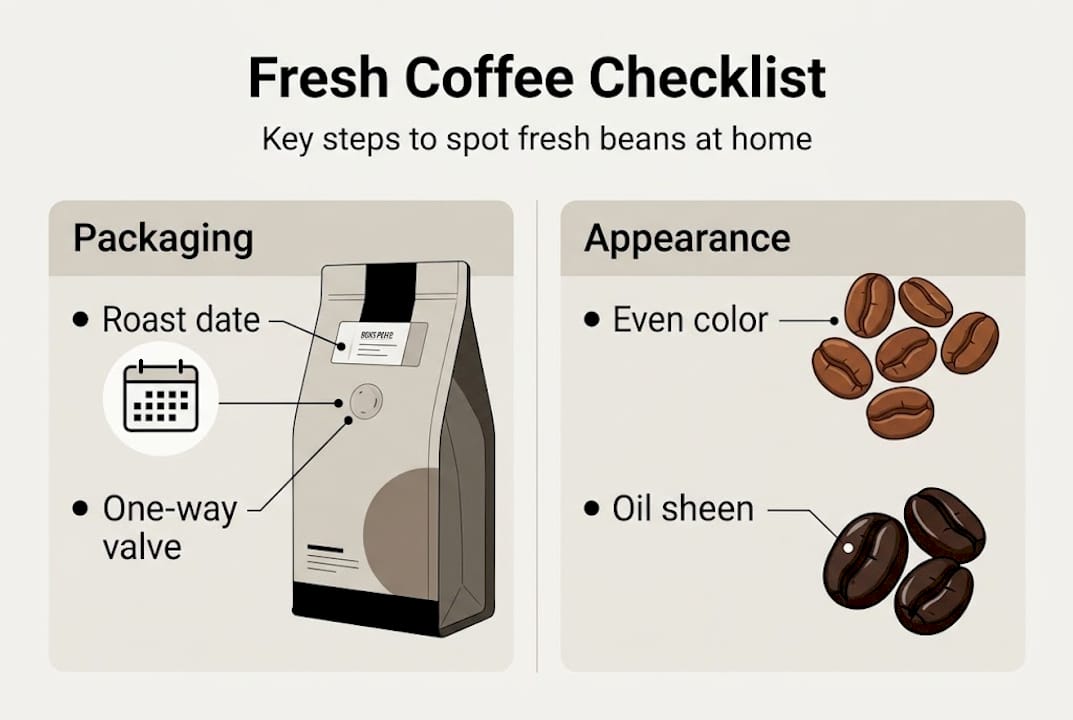
- Find the roast date first. If it is not printed, that is a red flag. A roast date printed clearly shows the roaster stands behind their timeline.
- Check the batch number. This tells you the roaster tracks production carefully. It is a quality signal, not just a barcode.
- Look for a one-way degassing valve. Freshly roasted beans release CO2 for days after roasting. A small circular valve on the bag lets gas escape without letting oxygen in. No valve often means the beans were degassed before packaging, which means they sat around longer.
- Read origin and processing details. Specific farm names, altitude, and processing method (washed, natural, honey) indicate a roaster who knows their supply chain. Vague labels like “premium blend” tell you almost nothing.
- Note any certifications. Direct trade, organic, or Rainforest Alliance labels suggest ethical sourcing and often correlate with fresher, more carefully handled beans.
The roast date is the most reliable indicator of coffee freshness, far more useful than a “best by” date. A best-by date might be set 12 to 18 months after roasting, which tells you almost nothing about peak flavor.
| Packaging signal | What it means | Freshness value |
|---|---|---|
| Roast date printed | Roaster is transparent | High |
| Best by date only | Freshness window unclear | Low |
| One-way valve | Beans are actively degassing | High |
| Batch number | Quality tracking in place | Medium to high |
| Generic origin label | Less traceability | Low |
Buying whole bean coffee over pre-ground also extends your freshness window significantly, since grinding dramatically accelerates oxidation.
Pro Tip: Never rely on “best by” as your sole freshness indicator. A bag roasted 11 months ago with a “best by” date next month is not fresh coffee. Always prioritize the roast date.
Physical signs of fresh coffee beans and grounds
Beyond the label, fresh coffee reveals itself through sight and smell. Your senses are calibrated for exactly this kind of detection.
“Aroma is the first clue to coffee freshness. It should not smell flat or dusty.”
When you open a fresh bag, the smell should hit you immediately. It should be layered, maybe fruity, nutty, chocolatey, or floral depending on the origin. Stale beans smell muted, like old paper or damp wood. That loss of aroma is not subtle once you know what to look for.
Here is what to check visually and physically:
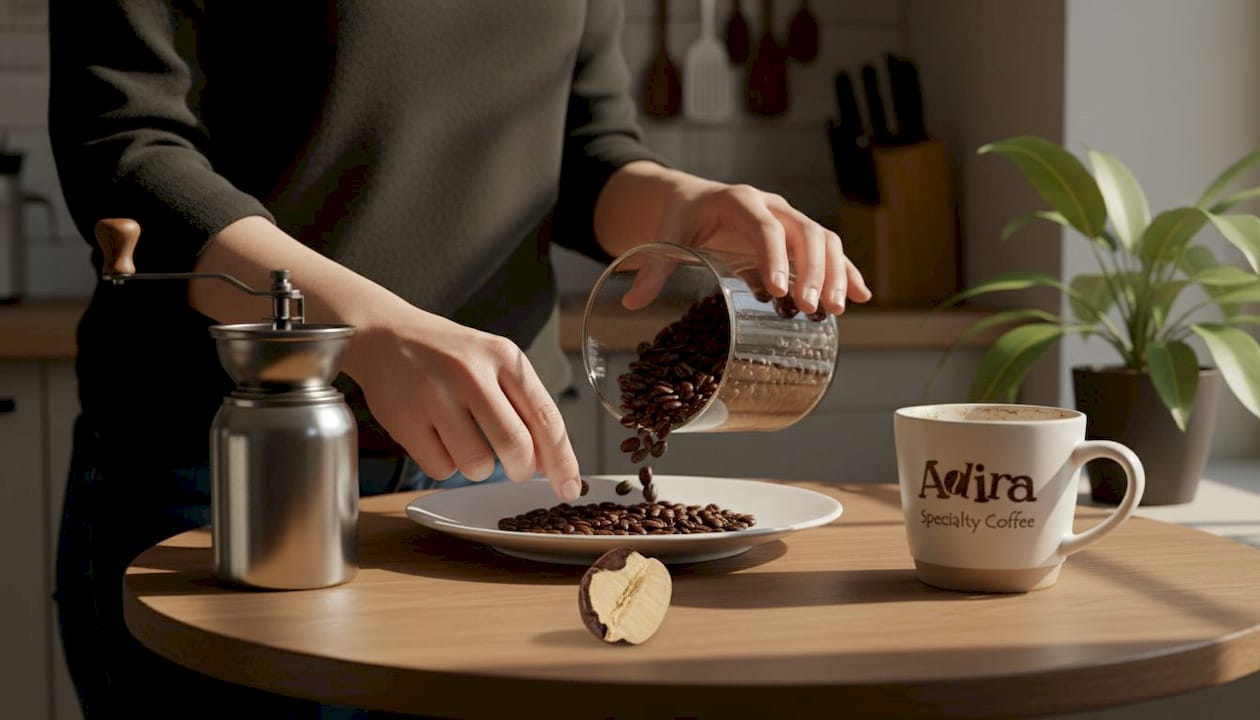
- Bean surface: Fresh medium and dark roast beans often have a slight oil sheen. Light roasts may look more matte. Beans that look completely dry and chalky are likely old.
- Color consistency: All beans in a batch should look similar in shade. Significant variation suggests uneven roasting or mixed batches.
- Bean density: Fresh beans feel firm and slightly heavy. Old beans can feel brittle and break apart too easily.
- Ground color and texture: Freshly ground coffee should look vibrant, not grayish. The grind should feel slightly moist and clump lightly when pressed.
- Bloom test: When you pour hot water over fresh grounds, they bubble and expand (this is called the bloom). No bloom means the CO2 has already escaped, which signals stale beans.
Fresh beans have a distinct aromatic profile and visible oil presence that stale beans simply cannot replicate. Understanding your quality coffee bean guide deepens your ability to make these calls confidently.
If you are curious about how roasting affects these physical properties, home roasting tips can give you a much clearer picture of what heat does to a bean at each stage.
Taste testing: How to verify freshness in your cup
Once you have assessed packaging and bean quality, put your senses to the final use: true taste testing. This is where everything comes together.
Follow these steps for a simple freshness tasting protocol:
- Brew without additives first. No milk, no sugar. You need to taste the coffee itself. Even a small amount of cream masks the subtleties that reveal freshness or staleness.
- Smell before you sip. Hold the cup close and inhale. Fresh coffee smells complex and inviting. Stale coffee smells thin or slightly sour in an unpleasant way.
- Take a small sip and let it coat your palate. Notice the brightness. Fresh coffee has a lively acidity that makes your mouth water slightly. Stale coffee tastes flat and one-dimensional.
- Identify the finish. Fresh coffee leaves a pleasant aftertaste that lingers. Stale coffee often leaves a dull or papery finish.
- Compare against a reference. If you have access to a freshly roasted bag, brew both side by side. The difference is usually immediate and unmistakable.
Here is a fact worth knowing: 80% of perceived flavor comes from aroma, not taste receptors on your tongue. This is why a flat-smelling cup almost always tastes flat too. Freshness and aroma are inseparable.
Fresh coffee delivers brighter flavors and more pronounced aromatics compared to stale beans, and that difference shows up immediately in your cup. When choosing your coffee beans, prioritizing roast date over price or brand recognition is the single most impactful decision you can make. For California home baristas who want consistent results, fresh bean delivery services that ship within days of roasting remove the guesswork entirely.
Why most coffee lovers overlook freshness (and how to avoid their mistakes)
Here is something we have noticed after working with coffee farms across Colombia, Ethiopia, Costa Rica, and beyond: even passionate coffee drinkers often get freshness wrong. Not because they do not care, but because they trust the wrong signals.
Most people look at price or brand reputation as a proxy for quality. They assume a premium-looking bag from a well-known brand means fresh coffee. It often does not. A glossy bag with a vague “roasted for peak flavor” claim and a best-by date 14 months out is not a freshness guarantee. It is marketing.
The other common mistake is buying in bulk to save money. We understand the logic. But a two-pound bag that takes six weeks to finish means you are drinking stale coffee for most of those six weeks. Smaller, more frequent purchases almost always produce a better cup.
Our honest advice: find a roaster who prints the roast date clearly, ships small batches, and sources from specific farms. In California, you have access to some of the best local roasters in the country. Use that advantage. The benefits of local roasting go beyond freshness. They include ethical sourcing, direct relationships with farmers, and a level of transparency that large commercial brands rarely offer. Freshness is not a feature. It is a philosophy.
Discover truly fresh beans with Adira Coffee
If this guide has you rethinking your current coffee routine, you are in the right place. At Adira Coffee, we roast in small batches and ship directly to California home baristas so your beans arrive at peak flavor, not weeks after.
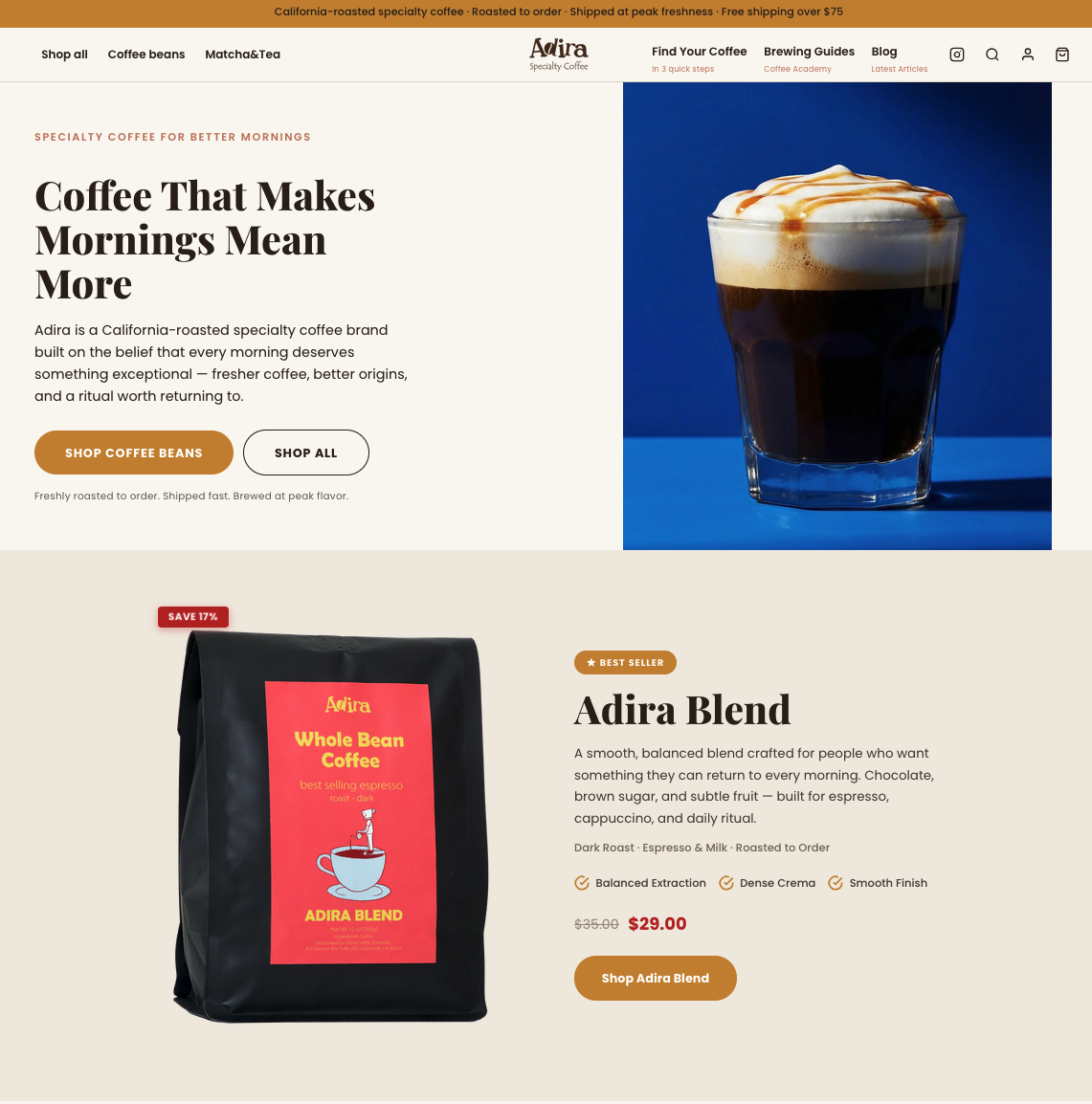
Our coffee beans collection includes single-origin options sourced from around 50 farms across Ethiopia, Colombia, Costa Rica, Guatemala, Brazil, and Sumatra. If you want to experience what genuinely fresh specialty coffee tastes like, our Ethiopia Natural beans are a perfect starting point. Bright, fruity, and aromatic, they are everything stale supermarket coffee is not. Order online and taste the difference freshness makes.
Frequently asked questions
How long after roasting is coffee at its freshest?
Coffee freshness peaks within 7 to 14 days after roasting. For optimal flavor, use your beans within that window after the roast date.
Can you identify fresh coffee without tasting it?
Yes. Physical characteristics and aroma often indicate bean freshness. Fresh beans have a glossy or matte sheen depending on roast level, a vibrant aroma, and a clearly printed roast date on the packaging.
Does grinding coffee affect freshness?
Grinding beans accelerates flavor loss significantly, so grind only what you need immediately before brewing to preserve the most flavor.
Is it worth buying locally roasted coffee in California?
Local roasted coffee delivers superior freshness and flavor. Local roasters also tend to offer more transparency about sourcing and roast dates, which directly benefits your cup.
What is the best way to store fresh coffee at home?
Proper storage preserves coffee bean freshness and flavor. Keep your beans in an airtight container away from light, moisture, and heat for the best results.
Recommended
- Why freshness matters in coffee: flavor and quality – Adira Coffee US
- Expert coffee brewing tips for better flavor at home – Adira Coffee US
- Why buy whole bean coffee for fresher, richer flavor – Adira Coffee US
- Identifying quality coffee beans: a connoisseur’s guide – Adira Coffee US
- Coffee from around the world – Autoryzowany dystrybutor i serwis Jura Wrocław