
TL;DR:
- Espresso beans are selected and processed for brewing, not a distinct coffee variety.
- Origin influences flavor profiles through terroir, affecting acidity, body, and taste notes.
- Ethical sourcing and transparency enhance flavor quality and support sustainable farming practices.
Most people assume espresso beans are a special variety of coffee, something grown differently or harvested from a unique plant. That’s not quite right. Espresso is a brewing method, and the beans behind it are selected and prepared specifically to perform under high pressure. What truly separates a transcendent shot from a forgettable one is where those beans come from, how they were farmed, and how they were processed. This guide walks you through the origins, farming practices, and flavor profiles that define great espresso, so you can make smarter, more satisfying choices every time you pull a shot.
Table of Contents
- What defines an espresso bean origin?
- Global regions and their espresso flavor profiles
- Farming and processing: How origin shapes espresso
- Ethical sourcing and single origin vs. blends
- Why origin transparency matters more than ever in espresso
- Discover your perfect espresso with Adira Coffee
- Frequently asked questions
Key Takeaways
| Point | Details |
|---|---|
| Origin shapes flavor | Where espresso beans are grown determines their taste, aroma, and body. |
| Farming and processing matter | The way beans are grown and processed at origin directly impacts your espresso. |
| Ethical sourcing boosts quality | Responsibly sourced espresso beans deliver better flavor and support farmers. |
| Single origin vs. blend | Single origin beans showcase unique regional flavors; blends create balance. |
| Transparency improves brewing | Knowing your espresso’s origin helps you make tastier and ethical choices. |
What defines an espresso bean origin?
Here’s the misconception worth clearing up first: there is no such thing as an “espresso plant.” Espresso beans are not a distinct species but are selected and processed for espresso brewing. Any coffee bean, from any origin, can technically be used for espresso. What matters is how the bean is chosen, roasted, and prepared to hold up under the intense pressure of an espresso machine.
That said, origin is everything when it comes to flavor. Geographic location determines the soil composition, altitude, rainfall, and temperature a coffee plant experiences throughout its life. These environmental factors, often called terroir (the same concept used in wine), directly shape the bean’s chemical makeup. The result is a distinct set of flavor notes, acidity levels, and body characteristics that no roasting technique can manufacture from scratch.
Over 70 countries grow coffee commercially, but only a handful consistently produce beans that excel in espresso applications. The world’s top espresso-producing origins include:
- Ethiopia: The birthplace of coffee, known for fruity and floral notes
- Colombia: Prized for balance, mild acidity, and nutty sweetness
- Costa Rica: Delivers bright citrus clarity and clean finishes
- Brazil: The world’s largest producer, offering low acidity and chocolate richness
- Indonesia (Sumatra): Earthy, full-bodied, with herbal complexity
- Guatemala: Smoky, spiced, and deeply layered
Each of these origins brings something irreplaceable to the cup. When you understand where a bean comes from, you start to understand why it tastes the way it does. That knowledge is the foundation of everything else in specialty espresso culture.
With a clearer understanding of what espresso beans actually are, let’s examine the regions that shape their unique flavors.
Global regions and their espresso flavor profiles
The taste and aroma of espresso beans are heavily influenced by the bean’s geographic origin. This is not just marketing language. It reflects real, measurable differences in the chemical compounds that develop during growth and processing.
Ethiopia produces beans at high altitudes, often above 6,000 feet. That elevation slows the cherry’s maturation, concentrating sugars and developing complex fruit and floral compounds. Expect jasmine, blueberry, and stone fruit in a well-pulled Ethiopian espresso. Colombia’s diverse microclimates, shaped by the Andes mountain range, produce beans with a pleasing balance. You’ll find caramel sweetness, mild citrus, and a nutty finish that makes Colombian espresso approachable for almost any palate.
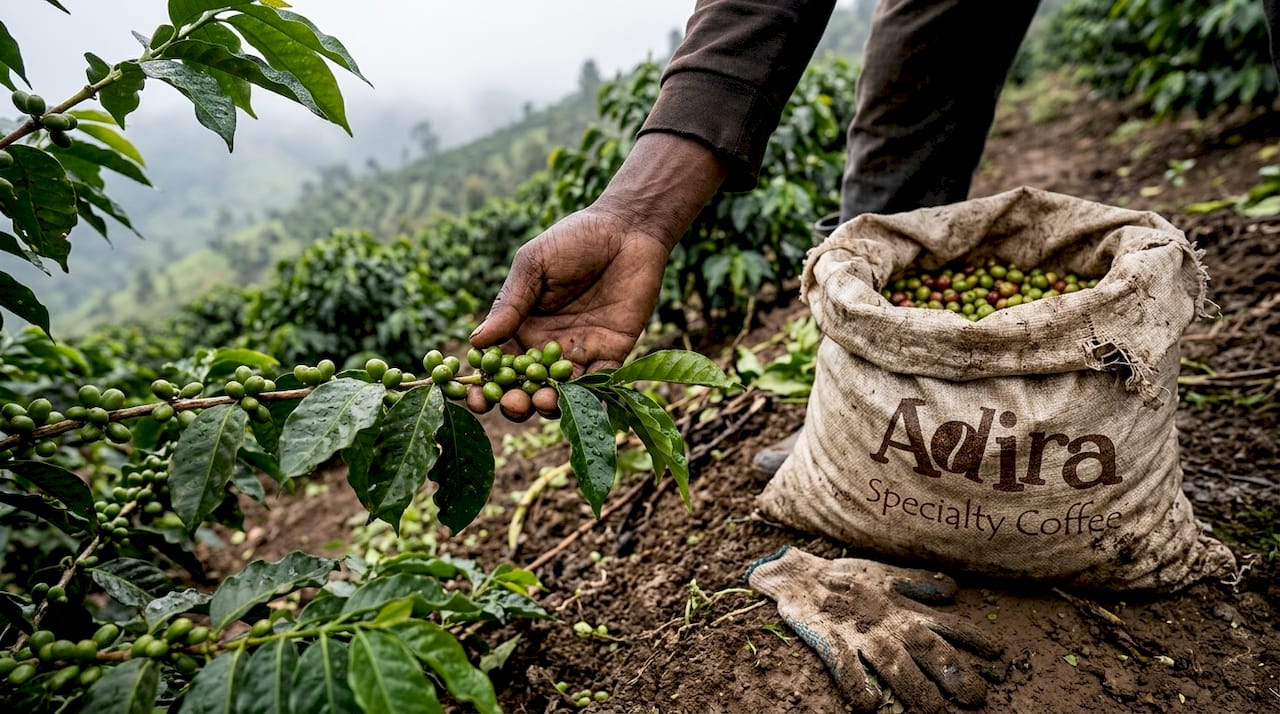
Costa Rica’s volcanic soil and consistent rainfall create conditions for exceptionally clean, bright espresso. The country’s strict quality regulations, including a ban on low-grade Robusta cultivation, mean what you get is reliably excellent. Indonesia, particularly Sumatra, sits at the opposite end of the spectrum. Low altitude, high humidity, and a unique wet-hulling process called Giling Basah create earthy, syrupy shots with almost no brightness.
| Origin | Flavor notes | Acidity | Body |
|---|---|---|---|
| Ethiopia | Fruity, floral, jasmine | High | Light to medium |
| Colombia | Caramel, nutty, mild citrus | Medium | Medium |
| Costa Rica | Bright citrus, clean, sweet | High | Light |
| Brazil | Chocolate, low fruit, nutty | Low | Full |
| Indonesia | Earthy, herbal, smoky | Low | Very full |
Nuances in beans from Ethiopia, Colombia, and Costa Rica lead to distinct espresso experiences that reward curiosity. Understanding these differences helps you dial in your grind, pressure, and extraction time with real purpose rather than guesswork.
Pro Tip: Try blending a bright Ethiopian with a full-bodied Brazilian. The contrast creates a layered shot with both fruit complexity and chocolatey depth. Many beloved espresso blends use exactly this logic.
If you want to go even further back in the supply chain, exploring green coffee beans can teach you how raw bean characteristics translate into roasted flavor, which is invaluable knowledge for any serious home barista.
Farming and processing: How origin shapes espresso
Having explored flavor profiles, let’s uncover how farm and processing practices bring out the origin’s unique taste in your espresso.
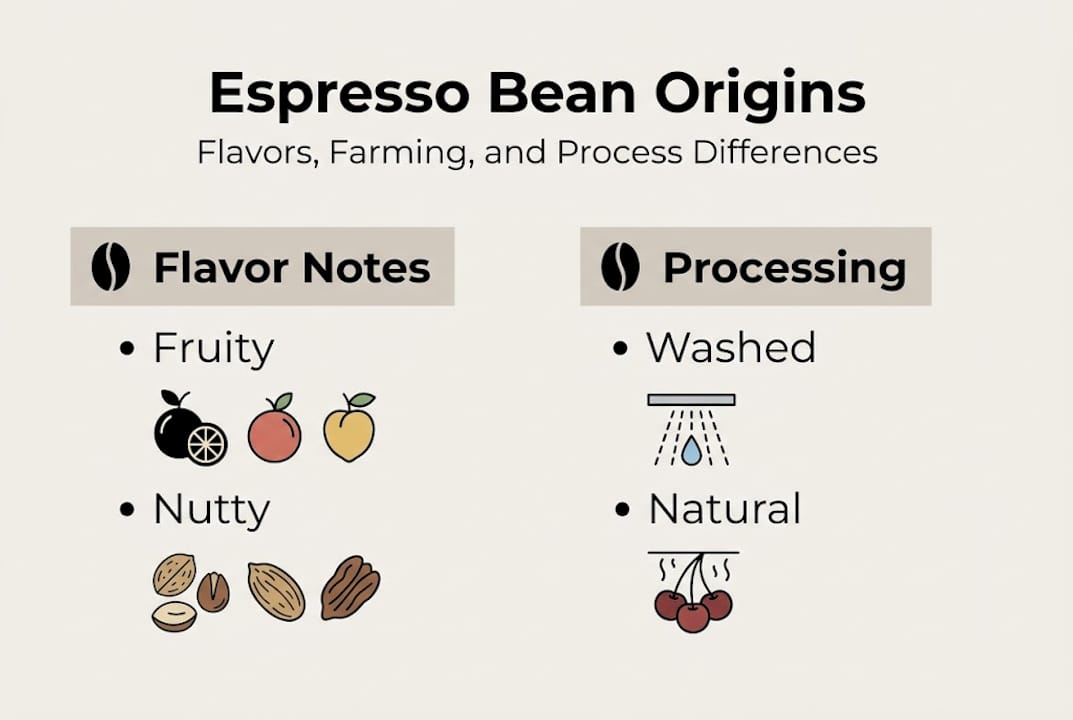
Farming decisions made at the source have an enormous impact on what ends up in your cup. Shade-grown coffee, for example, matures more slowly under a forest canopy, which builds density and flavor complexity in the bean. Soil health matters just as much. Farms that compost, rotate crops, and avoid synthetic inputs tend to produce beans with cleaner, more expressive flavor. Harvesting method is equally critical. Selective hand-picking, where only ripe cherries are chosen, produces far more consistent espresso than strip harvesting, where everything comes off the branch at once.
Once the cherry leaves the farm, processing takes over. Processing methods like washed, natural, and honey directly alter flavor characteristics in espresso beans. Here’s how the journey from farm to finished shot typically unfolds:
- Harvesting: Ripe coffee cherries are picked, ideally by hand for quality control
- Processing: Cherries are washed (clean, bright), naturally dried (fruity, complex), or honey-processed (balanced, sweet)
- Milling: The dried outer layers are removed to reveal the green bean
- Sorting and grading: Beans are sorted by size, density, and defect count
- Exporting: Green beans are shipped to roasters worldwide
- Roasting: Heat transforms green beans into the aromatic espresso beans you buy
- Brewing: Extraction under pressure pulls the full flavor profile into your cup
“The farm is the first roaster. Every decision made in the field, from soil management to harvest timing, sets the ceiling for what any roaster can achieve.” This perspective captures why farm practices impact quality so fundamentally.
Pro Tip: When buying espresso beans, look for bags that list the processing method alongside the origin. A washed Ethiopian will taste dramatically different from a natural Ethiopian, even from the same farm. Knowing this gives you real control over your flavor experience.
Pairing this origin knowledge with the right technique matters too. Coffee brewing tips tailored to home baristas can help you extract the best from each origin’s unique characteristics.
Ethical sourcing and single origin vs. blends
With the role of farming and processing clear, let’s look at how ethical sourcing and choosing single origin versus blended beans impacts both flavor and values.
Ethically sourced espresso beans often deliver fresher flavors and support local farming communities. This is not a coincidence. When roasters pay fair prices and build long-term relationships with farms, those farms can invest in better practices, better equipment, and better harvests. The quality improvement flows directly into your cup.
Single origin coffees highlight terroir, while blends aim for balanced or signature flavors. Neither is inherently superior. They serve different purposes and different drinkers.
| Factor | Single origin | Blend |
|---|---|---|
| Flavor | Distinctive, terroir-driven | Balanced, consistent |
| Traceability | High, farm-specific | Varies by roaster |
| Ethical clarity | Easier to verify | Requires deeper research |
| Versatility | Best when origin shines | Works across brew methods |
| Seasonal availability | Limited, harvest-dependent | Year-round consistency |
Specialty shops tend to champion single origin espresso because it showcases a farm’s unique character. Cafes with high volume often prefer coffee blends because consistency across thousands of shots matters more than origin storytelling in that context.
As a home barista, you have the freedom to choose based on what excites you. Here’s how to make a smart, ethical choice:
- Look for bags that list the country, region, and ideally the farm or cooperative
- Check for certifications like Fair Trade, Rainforest Alliance, or Direct Trade relationships
- Buy from roasters who publish information about their sourcing partnerships
- Prioritize freshness: roast dates on the bag indicate the roaster values peak flavor
- Ask questions. A good roaster will gladly share details about their farm relationships
Why origin transparency matters more than ever in espresso
Here’s an opinion worth sitting with: most espresso drinkers are still buying blind. They pick a bag based on packaging, price, or habit, with no idea where the beans came from or how they were grown. That’s a missed opportunity, both for flavor and for impact.
At Adira Coffee, we believe origin transparency is not a premium feature. It’s the baseline. When you know the farm, the region, and the processing method, you’re not just making better coffee. You’re participating in a supply chain that rewards craftsmanship and community. The label on your bag is a signal. It tells you whether a roaster did the work to build real relationships with real farmers.
Home baristas are actually in a stronger position than most cafes to demand this. You’re buying small quantities, which means you can afford to be selective. You can rotate origins, experiment with single origin shots, and notice the difference that ethical coffee sourcing makes in the cup. That curiosity is what drives the entire specialty coffee movement forward.
Pro Tip: Next time you order beans, email the roaster and ask which farm your coffee came from. Their answer will tell you everything you need to know about how seriously they take their sourcing.
Discover your perfect espresso with Adira Coffee
If you’re inspired to explore the flavors and origins discussed, here’s how to experience them first-hand.
Adira Coffee works directly with around 50 farms across the world’s finest coffee-growing regions, and every bag we roast reflects that relationship. Our small-batch approach means your beans arrive at peak freshness, never sitting in a warehouse for months.
You can start with our Ethiopian espresso beans for a fruity, floral experience, or explore our Colombian espresso beans for something balanced and approachable. If bright citrus clarity is what you’re after, our Costa Rican espresso beans are a perfect starting point. Every origin we carry comes with full sourcing transparency, because we believe you deserve to know exactly what’s in your cup.
Frequently asked questions
Are espresso beans different from regular coffee beans?
Espresso beans are not a unique species but are curated for espresso brewing, selected for their ability to perform under high pressure and deliver concentrated flavor.
How does origin affect espresso bean flavor?
Origin determines espresso bean flavor nuances including acidity, body, and signature taste notes, which is why Ethiopian beans taste nothing like Brazilian beans even when roasted identically.
Why choose single origin instead of blended espresso beans?
Single origin and blends offer different benefits for espresso: single origin showcases a specific farm’s terroir, while blends prioritize consistency and balance across every shot.
What is ethical sourcing of espresso beans?
Ethics in coffee sourcing means beans are grown and traded responsibly, ensuring fair compensation for farmers and often resulting in higher quality, fresher beans for the consumer.
Should home baristas care about coffee bean origins?
Origin transparency leads to better brewing and more ethical consumption, giving home baristas the knowledge to choose beans that match their flavor preferences and values.
Recommended
- How Coffee Farms Define Flavor: Practices That Impact Quality – Adira Coffee US
- What is espresso: a detailed guide for coffee lovers – Adira Coffee US
- Green Coffee Beans: Flavor, Benefits, and Home Roasting – Adira Coffee US
- How to choose coffee beans for the perfect brew in 2026 – Adira Coffee US
- What is social impact coffee? Ethical brews explained