
TL;DR:
- Portland’s coffee scene is defined by direct trade sourcing, specialty-grade beans, and roast date transparency. The city boasts diverse neighborhoods, each with distinct roaster cultures from experimental to community-focused. Skilled baristas and high-quality sourcing standards make Portland a leader in specialty coffee excellence.
Portland coffee roasters define what specialty coffee looks like at its best. As of 2026, 46 independent roasters operate within city limits, making Portland one of the highest concentrations of specialty coffee expertise per capita in the United States. These roasters built their reputations on direct trade sourcing, transparent roast dates, and neighborhood-rooted identities that shape every cup. Whether you’re visiting coffee shops in downtown Portland or hunting for the best roasters across the city’s distinct neighborhoods, this guide covers what separates the great from the ordinary.
1. What makes Portland coffee roasters stand out
The best coffee roasters in Portland share a set of non-negotiable standards. Specialty grade beans score between 86 and 92 points on the Specialty Coffee Association 100-point scale. That scoring threshold filters out commodity coffee before a single bean hits the roaster drum.
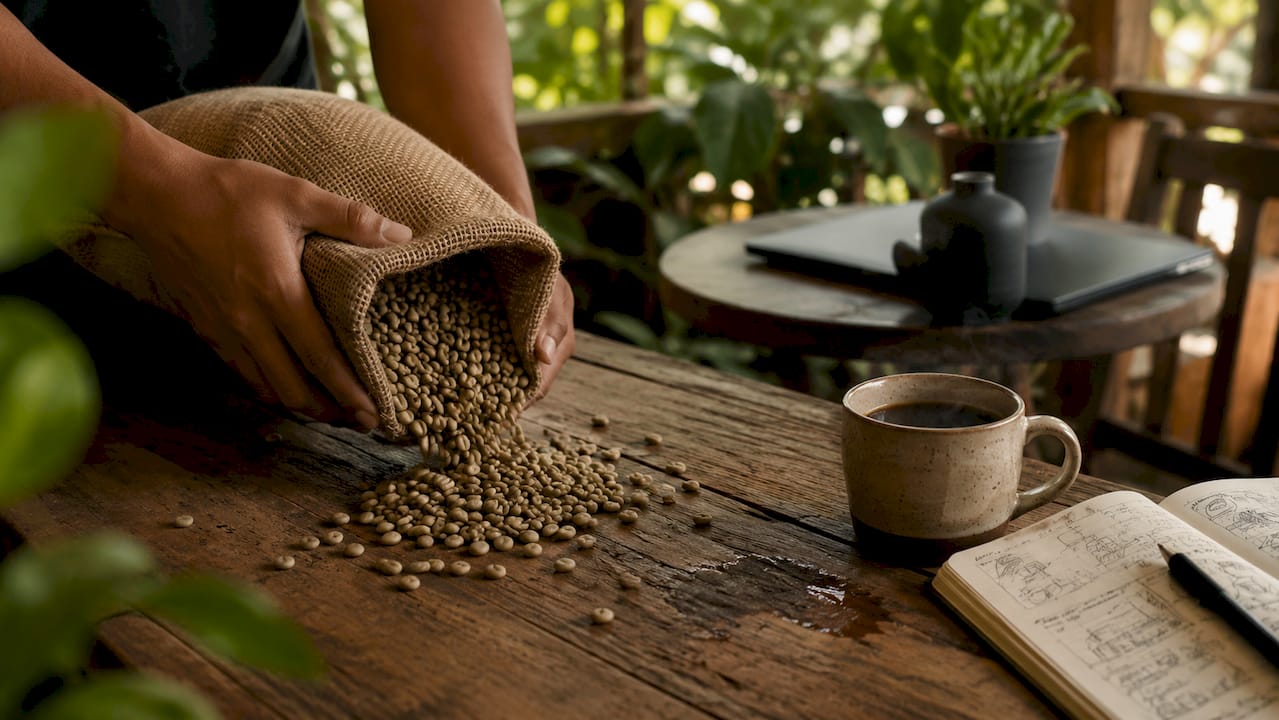
Portland roasters favor light roast profiles that preserve the terroir of each origin. A washed Ethiopian from Yirgacheffe tastes different from a natural-processed Colombian, and a skilled roaster keeps those differences intact rather than roasting them away. This philosophy is the foundation of third-wave coffee culture, which Portland helped pioneer.
Direct trade sourcing is the other defining standard. Portland roasters build relationships with specific farms and cooperatives, often publishing the farm name, processing method, and harvest season on the bag. That level of traceability is not marketing. It is a quality control mechanism.
Pro Tip: When evaluating any Portland roaster, look for a specific roast date printed on the bag. A vague “best by” code without a roast date is a red flag. Roast date transparency is the clearest signal of a roaster who takes freshness seriously.
Key qualities to look for:
- Specific roast date printed on every bag
- Farm or cooperative name listed on the label
- SCA score or origin tasting notes included
- Light to medium roast profiles that highlight origin character
- Baristas trained in water temperature and brew ratio control
2. The Central Eastside: Portland’s roastery epicenter
The Central Eastside Industrial District holds more than eight roasters within a compact, walkable area. This density is not accidental. Shared infrastructure like Buckman Coffee Factory provides equipment and production space for startups, lowering the barrier to entry for new roasters without lowering quality standards. The result is a neighborhood where you can walk from one roastery to the next and taste meaningfully different coffees at each stop.
Coava Coffee Roasters operates out of a converted gymnasium in this district. Their tasting bar offers up to eight brewing methods for a single coffee, letting you compare how a V60 pour-over differs from an AeroPress extraction on the same bean. That kind of side-by-side comparison is rare anywhere in the country.
Heart Coffee Roasters also anchors this neighborhood. Heart built its reputation on Ethiopian and Colombian single-origins with a distinctly bright, acidic profile. Their roast approach is precise and consistent, which is why their beans appear in multi-roaster cafes across the city.
3. Inner SE and Buckman: experimental roasters with bold ideas
Inner Southeast Portland and the Buckman neighborhood attract roasters who push outside conventional profiles. Roseline Coffee is one example. Roseline expanded into a prominent downtown location in 2026 after corporate chains vacated the space, a direct result of independent roasters gaining ground as larger brands pulled back.
Proud Mary, originally from Melbourne, Australia, brought its omakase-style tasting flights to Portland’s Inner SE. Omakase coffee flights demonstrate how a single coffee changes character depending on brewing method. A guest might taste the same bean as an espresso, a cold brew, and a Kalita Wave pour-over in sequence. The experience teaches more about coffee in 20 minutes than most people learn in years of casual drinking.
Sterling Coffee Roasters rounds out this neighborhood with a focus on clean, balanced profiles suited to both espresso and filter brewing. Sterling’s sourcing emphasizes Central American origins, particularly Costa Rica and Guatemala, where processing transparency is high.
4. Pearl District and NW Portland: design-forward and community-rooted
The Pearl District attracts a different kind of coffee drinker. Roasters here operate in polished, design-forward spaces that reflect the neighborhood’s architecture and demographics. The coffee quality matches the aesthetics. These are not style-over-substance operations.
Nossa Familia Coffee stands out in NW Portland for its direct relationship with Brazilian family farms, a sourcing model that goes back generations. Nossa Familia publishes detailed farm profiles and uses those relationships to source micro-lots that never appear on commodity markets. Their approach is a textbook example of how direct trade sourcing improves both quality and ethics.
Multi-roaster cafes in the Pearl District curate beans from several local roasters under one roof. This model reflects Portland’s strong local buying culture and gives visitors a way to compare roasters without traveling across the city.
Pro Tip: If you visit a multi-roaster cafe in Portland, ask the barista which roaster they are currently featuring and why. Their answer reveals how seriously the cafe takes quality curation.
5. Alberta, NE Portland, and Fremont: community-first roasters
Northeast Portland neighborhoods like Alberta Arts District and Fremont Street host roasters with a community-first identity. These operations tend to be smaller, more neighborhood-specific, and more likely to source from cooperatives that prioritize farmer equity alongside cup quality.
Neighborhood identity shapes roaster identity in measurable ways. A roaster on Alberta Street serves a creative, arts-oriented community and often reflects that in its branding, its music, and its menu. A roaster on Fremont serves a residential neighborhood and tends toward approachable, consistent offerings over experimental one-offs.
The coffee quality in these neighborhoods is not secondary to the community focus. Many of these roasters source beans scoring at the top of the SCA specialty range and simply present them without the industrial-chic aesthetic of the Central Eastside. The cup matters more than the room.
6. How Portland roasters maintain freshness beyond the roast
Printing a specific roast date is the baseline. Specialty roasters in Portland treat any bag without a clear roast date as a quality failure, not a packaging oversight. That standard keeps the entire market honest.
Beyond packaging, Portland’s barista culture is the city’s most underrated quality control mechanism. Portland baristas receive higher pay, more rigorous training, and more autonomy than in most American cities. They adjust water temperature, grind size, and brew ratio for each coffee rather than applying a single setting across all origins. That precision is what turns a well-roasted bean into an exceptional cup.
Educational offerings deepen the quality chain further. Cuppings, tasting flights, and sensory evaluation sessions train customers to recognize freshness, origin character, and roast quality. A customer who understands what they are tasting becomes a better buyer, which pushes roasters to maintain standards.
Practices that define Portland’s freshness culture:
- Roast-to-order batches with specific date stamping
- Shared roasting facilities that support consistent equipment calibration
- Barista-led education on brewing variables and their effect on flavor
- Seasonal menu rotations that reflect harvest cycles from origin countries
- Tasting flights that demonstrate how freshness affects cup character
7. Comparing what Portland’s top roasters offer
The table below compares the key features you should evaluate when choosing among Portland’s specialty roasters.
| Feature | What to look for |
|---|---|
| Roast profile | Light to medium, preserving origin character |
| Sourcing transparency | Farm name, cooperative, and processing method listed |
| Freshness standard | Specific roast date printed on every bag |
| Visitor experience | Tasting flights, cuppings, or multi-method brewing bars |
| Neighborhood identity | Roaster philosophy reflects local community values |
| Barista training | Staff trained in water temp, grind, and ratio control |
Key Takeaways
Portland’s best specialty coffee roasters are defined by direct trade sourcing, SCA-graded beans, roast date transparency, and neighborhood-rooted identities that shape both the coffee and the experience.
| Point | Details |
|---|---|
| Roast date transparency | Always check for a specific roast date; vague codes signal lower freshness standards. |
| SCA scoring standard | Top Portland roasters source beans scoring 86–92 on the SCA 100-point scale. |
| Neighborhood shapes identity | Each Portland district produces a distinct roaster culture, from experimental Inner SE to community-first NE. |
| Barista craftsmanship matters | Trained baristas adjusting brew variables are as important as the roast itself. |
| Direct trade is non-negotiable | Farm-level sourcing transparency separates specialty roasters from commodity operations. |
Why Portland’s coffee scene still sets the standard
Portland did not just participate in the third-wave coffee movement. It helped write the rules. Stumptown Coffee Roasters introduced direct trade sourcing to a mainstream American audience from Portland in the late 1990s, and the city has built on that foundation ever since. What strikes me most, having followed this scene closely, is that the standard has not slipped as the number of roasters has grown.
The neighborhood diversity is what keeps Portland’s coffee culture from becoming uniform. A roaster in the Pearl District and a roaster on Alberta Street are solving different problems for different communities, and both are doing it with serious coffee. That tension between polish and community roots produces a scene that no other American city has fully replicated.
The barista culture is the piece most visitors underestimate. The coffee at a top Portland roaster is not just good because the beans are good. It is good because the person behind the bar understands brewing craft at a level that most cafes in other cities do not require. That combination of great sourcing and skilled execution is what makes Portland worth the trip for any serious coffee enthusiast.
My honest advice: do not just visit one neighborhood. The Central Eastside gives you density and spectacle. Alberta and Fremont give you warmth and community. Inner SE gives you experimentation. You need all three to understand what Portland coffee actually is.
— Stefan
Freshly roasted specialty coffee, delivered to your door
Portland’s coffee culture proves that freshness, sourcing, and craft are what separate a great cup from a forgettable one. Adiracoffee applies those same principles from California, roasting single-origin beans and signature blends in small batches and shipping them directly to you within days of roasting.
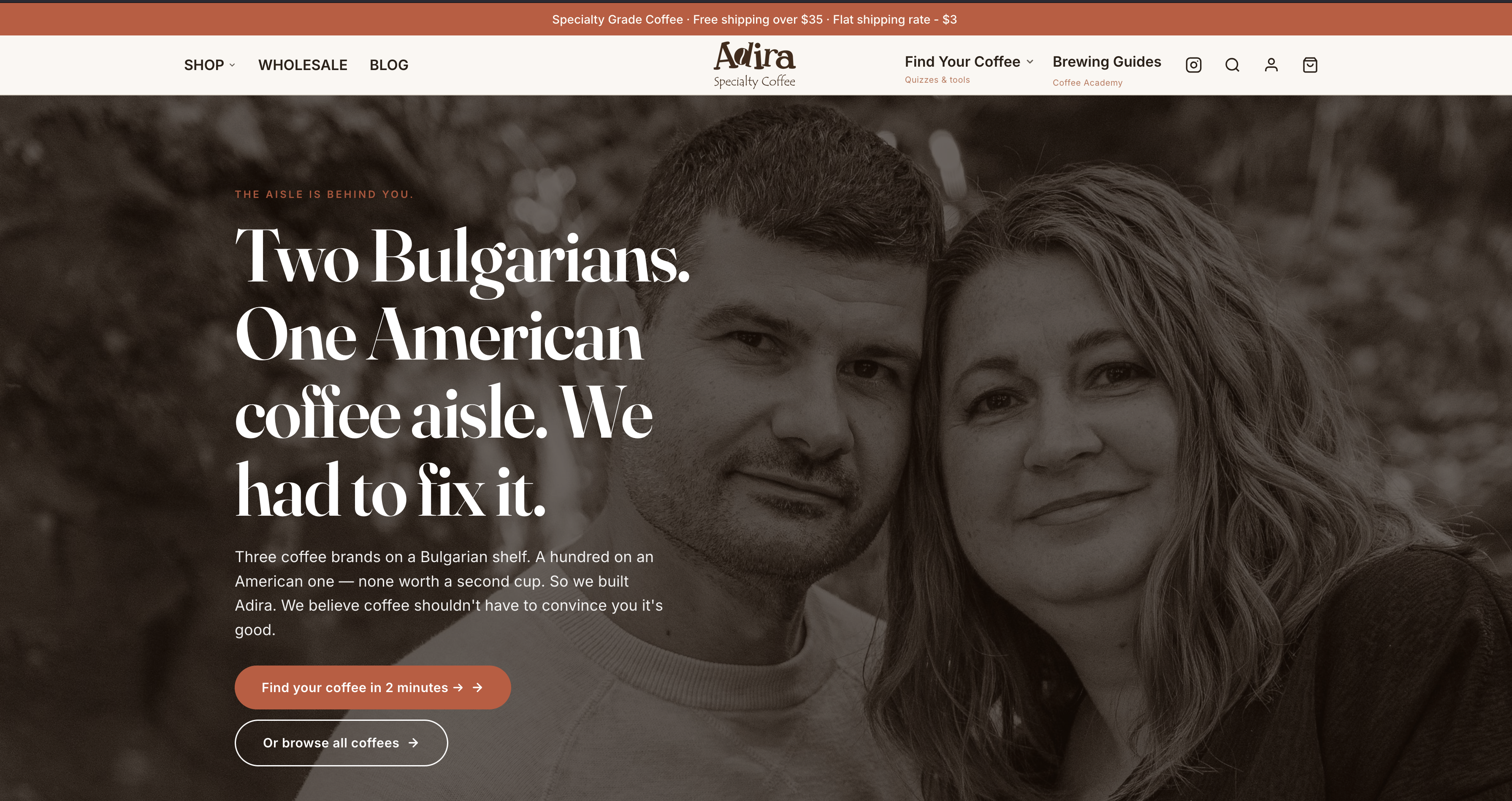
Adiracoffee sources from cooperatives and small farms in Colombia, Ethiopia, Costa Rica, Mexico, and Sumatra. Every bag carries a specific roast date. If you want to experience what functional coffee can do, the mushroom coffee medium roast and mushroom coffee dark roast blend specialty-grade beans with functional mushrooms for a cup that goes beyond the ordinary. Free US shipping on orders over $35, with a subscription option that saves you 10%.
FAQ
What are Portland coffee roasters known for?
Portland coffee roasters are known for direct trade sourcing, light roast profiles that highlight bean terroir, and roast date transparency. The city hosts 46 independent roasters as of 2026, one of the highest concentrations per capita in the US.
How do I find the best coffee roaster in Portland?
Look for roasters that print a specific roast date on every bag, list the farm or cooperative by name, and source beans scoring 86 points or higher on the SCA scale. Neighborhood matters too: the Central Eastside offers the highest density of roasteries in a walkable area.
What is the specialty coffee standard Portland roasters use?
Portland specialty roasters source beans scoring between 86 and 92 points on the SCA 100-point scale, with a strong preference for light roasts that preserve origin character and acidity.
Are there good coffee shops in downtown Portland?
Yes. Downtown Portland and the Pearl District host several design-forward cafes and roasters, including multi-roaster concepts that curate beans from multiple local producers under one roof. Roseline Coffee expanded into a prominent downtown location in 2026.
What is the best neighborhood for coffee in Portland?
The Central Eastside is the most concentrated area, with eight or more roasters in a compact district. Inner SE offers the most experimental and experience-driven cafes, while NE Portland neighborhoods like Alberta provide community-rooted roasters with equally serious coffee.