
TL;DR:
- A home barista embodies technical skill, sensory training, and passion, beyond just owning equipment.
- Focusing on grinder quality, extraction ratios, and consistent practice elevates coffee mastery at home.
Most people assume a home barista is just someone who owns an espresso machine. That assumption undersells the role by a wide margin. The role of home barista sits at the intersection of technical skill, sensory training, and genuine passion for coffee craft. It is not about owning the most expensive gear. It is about understanding extraction, dialing in your grinder, and tasting the difference between a shot that works and one that does not. If you are ready to move beyond pressing a button and into real coffee mastery, this guide was written for you.
Table of Contents
- Key takeaways
- The role of home barista: skills that actually matter
- Your home barista essentials checklist
- Pulling a great shot: understanding espresso extraction
- The cultural weight of the home barista role
- My honest take on mastering this role
- Start brewing smarter with Adiracoffee
- FAQ
Key takeaways
| Point | Details |
|---|---|
| Grinder beats machine | Investing in a quality grinder matters more than a premium espresso machine for shot consistency. |
| Extraction ratios are non-negotiable | A 1:2 ratio of 18g coffee to 36g espresso in 25 to 30 seconds is the proven starting point. |
| Skills develop in stages | A structured progression from basics to latte art and troubleshooting builds lasting technique. |
| Home baristas shape coffee culture | Home brewers and cafés form a collaborative ecosystem, not a competitive one. |
| Equipment hygiene is a skill | Consistent cleaning and workflow discipline separate good shots from great ones. |
The role of home barista: skills that actually matter
There is a clear line between someone who makes coffee at home and someone who practices the role of home barista intentionally. That line is defined by skill.
The foundation starts with espresso mechanics. Dosing accurately, tamping with consistent pressure, and controlling extraction time are not complicated once you commit to learning them. What makes them hard is the feedback loop. A shot that tastes sour ran too fast through too-coarse a grind. A bitter shot choked through too-fine a grind and extracted too slowly. Taste calibration is a skill you build deliberately.
Here is what the core skills of a home barista look like in practice:
- Dosing and distribution: Weigh every dose on a scale. Use a distribution tool or the Weiss Distribution Technique (WDT) to break up clumps before tamping. Proper puck preparation prevents channeling, which is when water finds the path of least resistance through your coffee bed and ruins extraction.
- Tamping: Apply level, consistent pressure. The exact number matters less than the consistency. An uneven tamp creates uneven extraction.
- Milk texturing: Steaming milk to the right temperature and silky microfoam texture is its own discipline. Aim for 140 to 150 degrees Fahrenheit for most drinks.
- Workflow hygiene: Flush your group head, clean your portafilter, and purge steam before and after every use. Espresso machine maintenance is part of the home barista duties, not optional.
- Sensory recognition: Learn to identify what sour, bitter, and balanced mean in your cup. Adjust one variable at a time.
Research shows that home baristas can develop professional-level technique through a 16-day structured progression covering everything from basic workflow to latte art and troubleshooting. That structured approach matters because random practice reinforces random results.
Pro Tip: Keep a brew journal for two weeks. Write down grind setting, dose, yield, time, and tasting notes for every shot. Patterns emerge faster than you expect, and your adjustments become much more precise.
Your home barista essentials checklist
Equipment is where most beginners make expensive mistakes. The single most common error is spending 90 percent of the budget on an espresso machine and almost nothing on the grinder. That math produces mediocre espresso no matter how sophisticated the machine is.
Here is the honest priority order for a home barista essentials checklist:
| Equipment | Priority | Why it matters |
|---|---|---|
| Burr grinder | Critical first buy | Grinder quality determines particle consistency, which controls extraction directly. |
| Espresso machine | High | Thermal stability and pressure control define shot repeatability. |
| Precision scale | High | Weighing dose and yield removes guesswork from the equation. |
| Tamper (calibrated) | Medium | Consistent 30lbs of pressure improves puck integrity. |
| Distribution tool or WDT | Medium | Prevents clumping and channeling before tamping. |
| Puck screen | Low to medium | Reduces mess and improves shower screen contact with the puck. |
| Bottomless portafilter | Optional but powerful | Visual feedback on extraction helps diagnose technique problems in real time. |
On the machine side, thermal stability is the feature that separates machines worth buying from ones that frustrate you. Single-boiler machines require 15 to 20 minutes to warm up and need a blank shot pulled first to stabilize temperature before brewing. Machines with PID controllers lock water temperature to within fractions of a degree, which makes a measurable difference in shot consistency. If you can afford a PID-equipped machine, that feature is worth prioritizing.
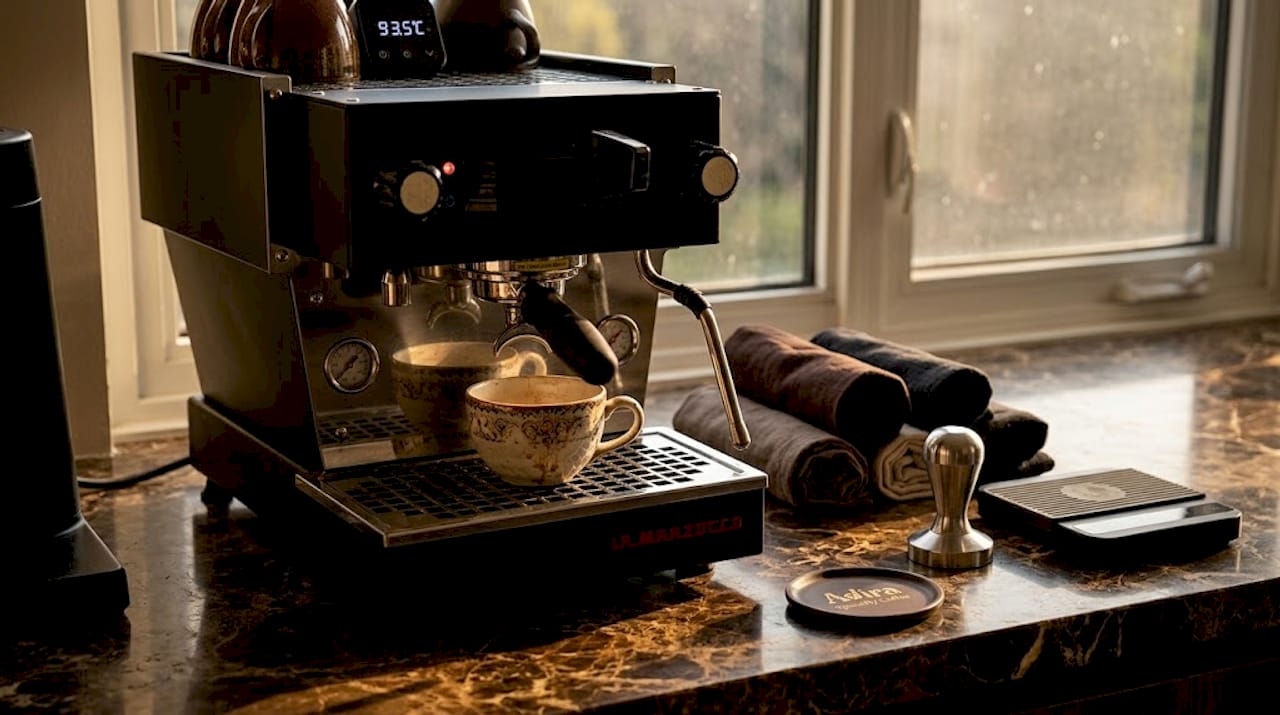
The bottomless portafilter deserves a special mention. It feels intimidating at first because your technique is fully exposed. But visual feedback tools like this one accelerate skill development by showing channeling and uneven extraction in real time. The discomfort is the point.
Pro Tip: Before buying a new machine, upgrade your grinder. A $300 grinder paired with a $400 machine will outperform a $100 grinder paired with a $600 machine. This is not a close comparison.
Pulling a great shot: understanding espresso extraction
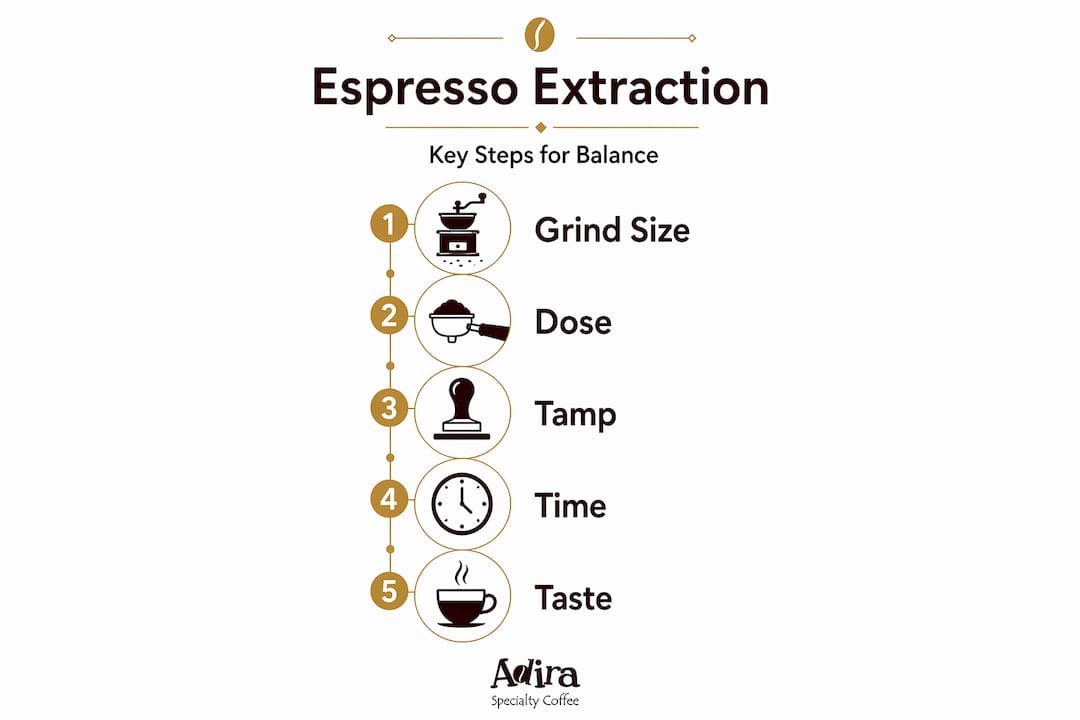
The technical side of the role of barista in espresso is built around one concept: balance. Every variable you control, including grind size, dose, temperature, and time, either moves the shot toward or away from that balance.
The starting point every experienced home barista uses is the 1:2 extraction ratio. That means 18 grams of ground coffee yielding 36 grams of liquid espresso in 25 to 30 seconds. From there, you adjust.
Follow this home barista step by step extraction workflow to build consistency:
- Weigh your dose. Grind directly into the portafilter basket and weigh to your target, usually 17 to 19 grams depending on basket size.
- Distribute evenly. Use a WDT tool to break up any clumps and create a level bed before tamping.
- Tamp level. Apply even downward pressure in a single smooth motion. Check the tamp is flat.
- Set your scale. Place your cup on a scale, zero it out, and start the timer as you begin the shot.
- Watch the flow. A well-pulled shot begins with a slow, honey-like flow. If it gushes immediately, your grind is too coarse. If it barely drips, grind coarser.
- Stop at your target yield. Stop extraction when you hit your target weight, typically double your dose.
- Taste and adjust. Sour means grind finer or extend time. Bitter means grind coarser or shorten time.
Thermal stability adds another layer. PID-controlled machines maintain consistent brew temperature shot after shot, which means your adjustments to grind and dose actually reflect what the grinder and coffee are doing, rather than random temperature swings.
Understanding the science of extraction helps you see why each variable matters, not just follow a recipe.
The cultural weight of the home barista role
The home espresso machine market is projected to grow from $1.56 billion in 2025 to $3.93 billion by 2033, driven by a cultural shift toward café-quality coffee at home. That number tells you something important: the home barista is no longer a niche identity. It is a growing segment of coffee culture with real influence.
What this shift is producing is fascinating. The relationship between home brewers and cafés is collaborative, not competitive. Home baristas develop a more refined palate, which pushes them to seek out better beans, explore new origins, and visit cafés for education and inspiration rather than just convenience. Cafés, in turn, are shifting toward teaching and curation.
“Home brewing complements cafés, creating a collaborative ecosystem where each side deepens the other’s appreciation for quality coffee.” — FLTR Magazine
The role of baristas in coffee craft is also evolving away from pure technical execution. As machines automate more of the extraction process, the human element shifts toward quality monitoring, hospitality, and emotional intelligence. That is equally true for home baristas. The mindful attention you bring to your morning brew, your willingness to adjust and keep learning, matters as much as your equipment list. The importance of a home barista lies not just in the cup, but in what that practice represents: deliberate, intentional engagement with something worth doing well.
My honest take on mastering this role
I have worked with coffee farmers across Colombia, Ethiopia, Costa Rica, and beyond, and what I have learned is this: gear debates distract people from the real work. I have seen home setups with entry-level machines produce stunning espresso because the person behind the portafilter spent six months learning to taste and adjust. I have also seen expensive setups produce muddy, inconsistent shots because the owner never bothered to calibrate their grinder.
My honest advice? Buy less gear and practice more. The 16-day structured training framework is compelling precisely because it forces repetition and reflection rather than shopping. Spend that energy on your technique first.
The other myth worth challenging is that you need to spend a fortune to take this seriously. A quality burr grinder, a thermally stable machine with PID control, and a precision scale will take you extremely far. The ceiling on skill is much higher than the ceiling on equipment quality, and most home baristas never get close to either.
What excites me most is how the role is being recognized. Home baristas are no longer dismissed as hobbyists. They are flavor explorers, coffee advocates, and increasingly, the people who push specialty coffee culture forward from their own kitchens. That shift is real, and it is worth being part of.
— Stefan
Start brewing smarter with Adiracoffee
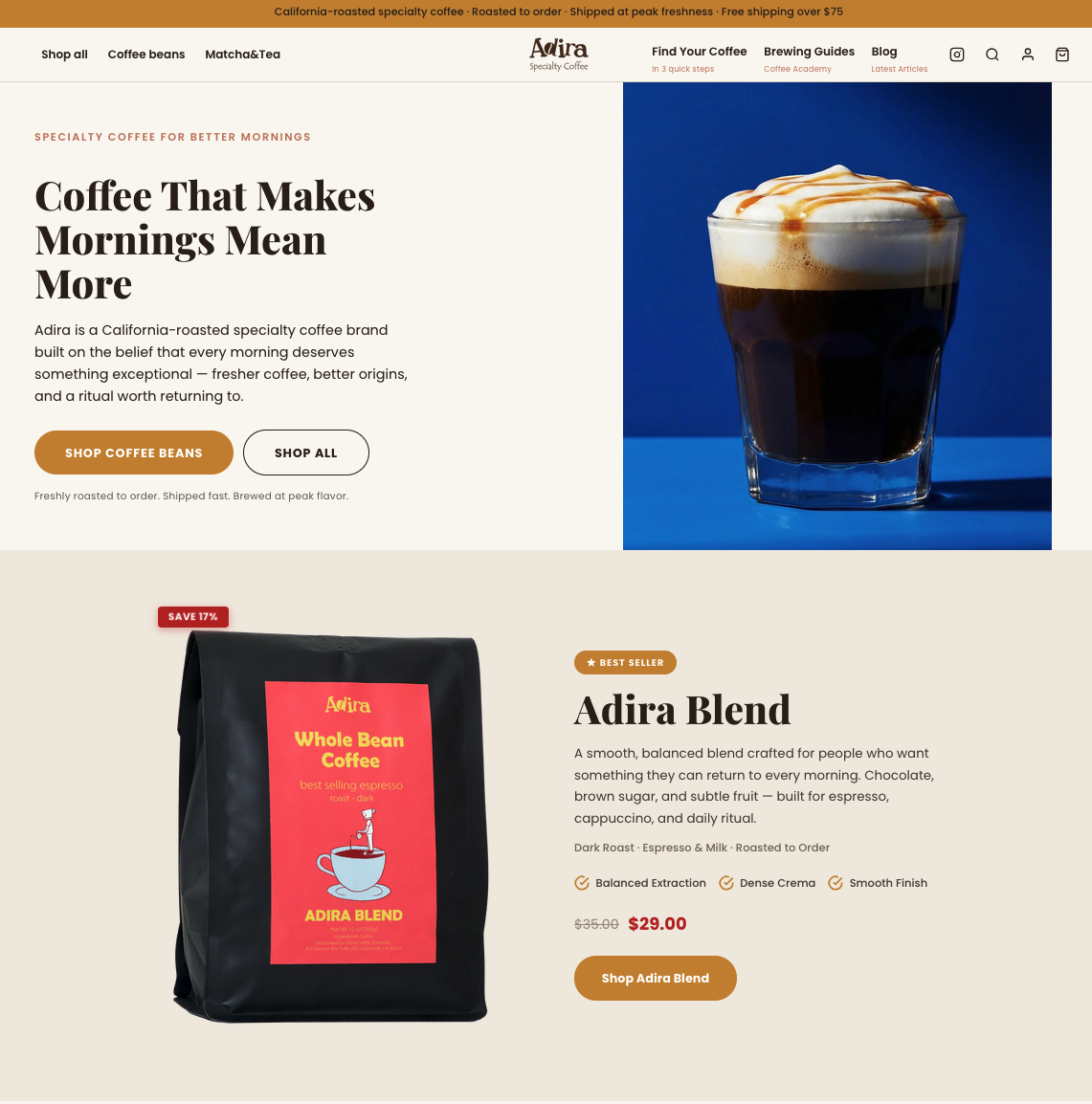
If you are ready to take your home barista practice seriously, the coffee you brew with matters as much as your technique. Adiracoffee sources freshly roasted, ethically grown beans from around 50 farms across Colombia, Ethiopia, Costa Rica, Guatemala, Brazil, and Sumatra, all roasted in small batches and delivered at peak flavor.
Not sure where to start? Take the Adiracoffee coffee quiz to match your taste preferences and skill level to the right roast. If you want to explore single-origin options that reward careful extraction, our Colombia single-origin is a favorite among home baristas for its clarity and balance. For a skill-matched selection, browse roasts by level and find something that grows with you.
FAQ
What is the role of a home barista?
The role of home barista involves mastering espresso extraction, equipment maintenance, and sensory evaluation to produce café-quality coffee at home. It requires developing consistent technique and understanding how each variable affects flavor.
What skills does a home barista need?
Core skills include accurate dosing, even tamping, grind adjustment, milk texturing, and taste calibration. Sensory recognition of sour versus bitter versus balanced shots is what separates an enthusiast from a skilled home barista.
Should I buy an expensive espresso machine first?
No. Research consistently shows the grinder has more impact on espresso quality than the machine. Invest in a quality burr grinder first, then build your machine budget around thermal stability features like PID control.
How long does it take to get good at home espresso?
A structured 16-day training progression can take a beginner from first shots to latte art and basic troubleshooting. Consistent daily practice with feedback, especially keeping a brew journal, accelerates improvement significantly.
Do home baristas affect coffee culture?
Yes. The home brewing trend reshapes how cafés operate, shifting them toward education and inspiration. Home baristas develop refined palates that drive demand for higher-quality beans and specialty origins, benefiting the entire coffee ecosystem.