
The top coffee brands worth your money right now: Adiracoffee (roast-to-order, traceable single-origins), Intelligentsia (direct-trade pioneer, espresso-forward), Stumptown (reliable nationwide specialty), Blue Bottle (subscription-first, pour-over focus), Counter Culture (transparency leader, seasonal lots), La Colombe (café-quality blends, wide retail), Onyx Coffee Lab (competition-grade lots, high cupping scores), Verve Coffee Roasters (California coastal, bright filter profiles), Equator Coffees (certified sustainable, gift-ready), and Peet’s Coffee (legacy brand, consistent medium roasts for everyday drinking).
- Adiracoffee — Best overall / subscription: roast-to-order, traceable single-origins from Colombia, Ethiopia, Costa Rica, Mexico, and Sumatra; ships within days of roasting. Mid–premium.
- Intelligentsia — Best for espresso: direct-trade relationships since 1995, consistently high cupping scores. Premium.
- Stumptown — Best for nationwide retail: widely available, solid specialty credentials, approachable roast profiles. Mid.
- Blue Bottle — Best subscription for pour-over: roast-date transparency, clean light roasts, strong subscription model. Premium.
- Counter Culture — Best for traceability: publishes detailed sourcing reports, seasonal micro-lots. Premium.
- La Colombe — Best café-style blend: smooth, balanced espresso blends available at major retailers. Mid.
- Onyx Coffee Lab — Best for high-score lots: competition-level coffees, scores frequently above 87. Premium.
- Verve Coffee Roasters — Best for bright filter coffee: Santa Cruz–roasted, fruit-forward profiles, direct-to-consumer. Mid–premium.
- Equator Coffees — Best for sustainability: B Corp certified, strong farm relationships, gift-friendly packaging. Premium.
- Peet’s Coffee — Best value everyday: consistent dark-to-medium roasts, broad retail presence, accessible price point. Value–mid.
Specialty coffee now leads traditional coffee in U.S. past-week consumption, with 58% of Americans reporting drinking a specialty coffee in the past week as of the 2026 NCA report. That shift means more home drinkers are ready to pay for quality — and the gap between a great roaster and a mediocre one has never been more obvious.
Table of Contents
- How the best coffee brands in the world compare at a glance
- Brand profiles: what each top roaster actually delivers
- How we chose and ranked these brands
- How to pick the right brand for your brewing setup
- Final verdict: which brand fits your situation
- Key Takeaways
- What most coffee rankings get wrong
- Freshly roasted, traceable, and dialed in for your setup
- Sources and further reading
How the best coffee brands in the world compare at a glance
| Brand | Best for | Roast style | Availability | Price band | Freshness practices | Sourcing & traceability | Flavor profile |
|---|---|---|---|---|---|---|---|
| Adiracoffee | Subscription / espresso / filter | Light–medium, roast-to-order | Direct, subscription, free US shipping over $35 | Mid–premium | Ships within days of roast; roast date on bag | Named farms/coops: Colombia, Ethiopia, Costa Rica, Mexico, Sumatra | Varies by origin: floral/berry (Ethiopia), chocolate/caramel (Colombia) |
| Intelligentsia | Espresso, café-quality blends | Medium–dark | Direct, retail, café locations | Premium | Roast date on bag | Direct-trade, named farms | Dark chocolate, stone fruit, bold body |
| Stumptown | Everyday specialty, retail | Medium | Nationwide retail, direct, subscription | Mid | Roast date on bag | Sourcing stories published | Balanced, nutty, approachable |
| Blue Bottle | Pour-over, subscription | Light–medium | Direct, subscription, select retail | Premium | Roast-to-order for subscription | Named farms, seasonal lots | Bright, clean, citrus-forward |
| Counter Culture | Traceability, seasonal lots | Light–medium | Direct, select retail | Premium | Roast date on bag | Detailed annual transparency report | Floral, fruit-forward, complex |
| La Colombe | Café-style espresso blends | Medium–dark | Nationwide retail, direct | Mid | Roast date on bag | Blend sourcing noted | Smooth, chocolatey, low bitterness |
| Onyx Coffee Lab | High-score specialty lots | Light | Direct, subscription | Premium | Roast-to-order | Competition-grade micro-lots | Delicate, tea-like, high clarity |
| Verve Coffee Roasters | Bright filter, pour-over | Light–medium | Direct, subscription, select retail | Mid–premium | Roast date on bag | Named farms, direct relationships | Tropical fruit, floral, lively acidity |
| Equator Coffees | Sustainability, gifts | Light–medium | Direct, select retail | Premium | Roast date on bag | B Corp, named farms, certifications | Balanced, sweet, fruit-accented |
| Peet’s Coffee | Value everyday drinking | Medium–dark | Nationwide retail, subscription | Value–mid | Best-by date (not roast date) | Sourcing partnerships noted | Bold, earthy, consistent |
Quick picks: Home espresso hobbyists get the most from Intelligentsia or Adiracoffee’s Colombia and Ethiopia single-origins. Pour-over enthusiasts should look at Blue Bottle or Counter Culture for seasonal lots with published sourcing. Gift buyers will appreciate Equator’s packaging and certifications. Subscription seekers who want roast-to-order freshness with personalized brewing guidance should start with Adiracoffee.
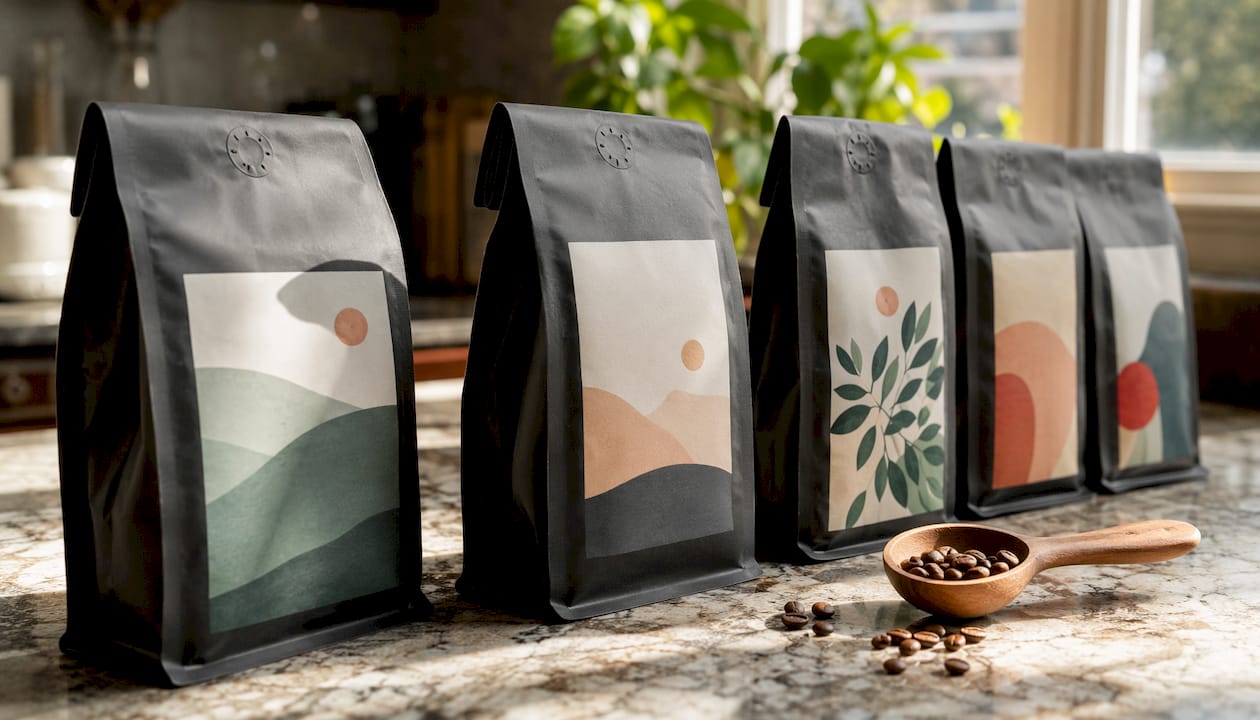
Brand profiles: what each top roaster actually delivers
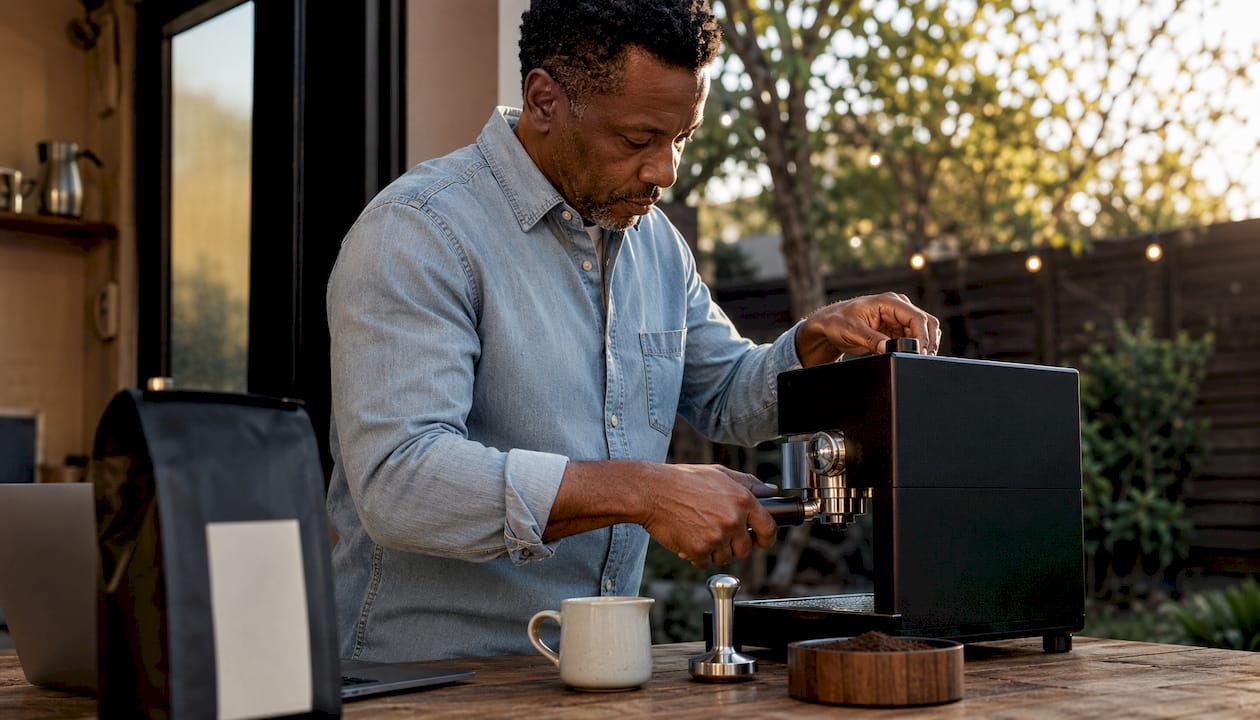
Adiracoffee
California-based and founded by Stefan and Ekaterina Nedelchev, Adiracoffee built its model around one frustration: supermarket coffee that wasn’t worth a second cup. Every bag is roasted in small batches and ships within days of roasting, with the roast date printed on the bag. Origins span Colombia, Ethiopia, Costa Rica, Mexico, and Sumatra, sourced from cooperatives and small farms.
Standout products include the Ethiopia Natural, a single-origin natural-processed coffee with blueberry and jasmine notes that regularly draws comparisons to top-tier specialty lots. For something different, the Instant Coffee with Mushrooms brings functional ingredients into a specialty-grade format — a rare combination in this category. Subscriptions save 10% and ship free over $35. Mid–premium.
Intelligentsia Coffee
One of the original direct-trade roasters in the U.S., Intelligentsia has maintained high cupping standards since 1995. Their espresso blends are calibrated for home machines, and their single-origins rotate seasonally with named-farm sourcing. Flavor profile leans toward dark chocolate, stone fruit, and a full body that holds up well under pressure. Available direct and at select retailers. Premium.
Stumptown Coffee Roasters
Portland-born and now nationally distributed, Stumptown occupies the sweet spot between approachable and genuinely specialty. Roast dates appear on every bag. Their Hair Bender blend is one of the most recognized specialty espresso blends in the country. Flavor profile: balanced, nutty, with a clean finish. Good entry point for drinkers moving from grocery-store coffee into specialty. Mid.
Blue Bottle Coffee
Blue Bottle’s subscription model is built around roast-to-order delivery, which means the coffee arriving at your door was roasted recently, not sitting in a warehouse. Their light roasts are clean and precise, with citrus and floral notes that reward careful pour-over technique. Sourcing is seasonal and named. The subscription is flexible and easy to pause. Premium.
Counter Culture Coffee
Counter Culture publishes an annual transparency report that names every farm, cooperative, and price paid — a level of disclosure few roasters match. Their seasonal lots are light-roasted to highlight origin character, with floral and fruit-forward profiles. Widely respected in the specialty community for consistency and ethical sourcing. Available direct and through select specialty retailers. Premium.
La Colombe Coffee Roasters
La Colombe is the brand to reach for when you want café-quality espresso at home without hunting for a specialty roaster. Their blends are smooth, chocolatey, and forgiving across a range of espresso machines. Wide retail availability means you can find them at Whole Foods or order direct. Roast date is on the bag. Mid.
Onyx Coffee Lab
Based in Arkansas, Onyx punches well above its regional profile. Their lots frequently score in the 87–90 range, and they source competition-grade micro-lots that show up in World Barista Championship preparations. Flavor profiles are delicate and tea-like, which means they reward a precise grind and clean water. Not for drinkers who want a bold, dark roast. Premium.
Verve Coffee Roasters
Santa Cruz–roasted and direct-to-consumer, Verve focuses on bright, fruit-forward filter profiles. Their sourcing relationships are direct and named. Tropical fruit and floral notes are consistent across their single-origins. The subscription ships reliably, and the website includes brewing guidance. A strong pick for pour-over drinkers on the West Coast and beyond. Mid–premium.
Equator Coffees
Equator is a B Corp–certified roaster with some of the strongest farm-level relationships in the U.S. specialty market. Their packaging is gift-ready, and their sourcing documentation is thorough. Flavor profiles tend toward balanced sweetness with fruit accents. A good choice when you want to give coffee as a gift and know the recipient cares about where it came from. Premium.
Peet’s Coffee
Peet’s is the legacy brand that helped create the American specialty coffee movement in the 1960s. Today it occupies a value-to-mid price band with consistent medium-to-dark roasts available everywhere. The tradeoff: bags carry a best-by date rather than a roast date, so freshness is harder to verify. For everyday drinking without specialty-level investment, it delivers. Value–mid.
On Ethiopia Natural and Instant Coffee with Mushrooms: Both are part of the Adiracoffee lineup. The Ethiopia Natural is a natural-processed single-origin with blueberry, jasmine, and dark fruit notes — a prestige pick that fits the top of any specialty shortlist. The Instant Coffee with Mushrooms is a functional specialty format, useful for travel or office situations where brewing equipment isn’t available, but quality still matters.
How we chose and ranked these brands
The ranking reflects five criteria applied consistently across every brand evaluated.
-
Specialty credentials (SCA 80+ baseline). The SCA defines specialty coffee as scoring 80 or above on a 100-point cupping scale, with no more than five primary defects per 350g sample. Scores of 80–84.99 qualify as “very good,” 85–89.99 as “excellent,” and 90+ as “exceptional.” Many top roasters set an internal floor of 84+ to ensure consistent premium flavor, which is a meaningful distinction from brands that simply clear the 80-point minimum.
-
Roast-date transparency and freshness practices. Aromatic compounds in roasted coffee degrade quickly. Roasters that print the roast date on the bag and ship within days of roasting deliver a measurably fresher cup than supermarket coffee roasted weeks earlier. Brands that show only a best-by date scored lower on this criterion.
-
Sourcing and traceability. The ICO’s specialty coffee framework ties traceability to quality premiums: specialty coffees are often single-origin or single-estate, traded at a premium with voluntary sustainability standards. Brands that name the farm, cooperative, or micro-lot scored higher than those with vague “sourced from [country]” language.
-
Consistency and third-party verification. A single high cupping score is less meaningful than consistent scores across multiple lots. Good specialty coffees commonly score 82–88, and regional differences mean scoring context matters. We weighted brands with published third-party reviews (Coffee Review, competition results) over self-reported scores alone.
-
Support for home baristas. Brewing guidance, grind recommendations, and personalized recipes matter more for the home experience than raw cupping scores. The best consumer experience increasingly comes from roasters that pair roast-to-order freshness with practical brewing support.
“Specialty coffee is a coffee or coffee experience that is recognized for its distinctive attributes and, because of those attributes, has significantly higher value in the marketplace.” — SCA definition, adopted 2021, as reported to the ICO Focus Group on Specialty Coffee, October 2025.
Scope and limitations: This ranking covers brands available in the U.S. with a direct-to-consumer or subscription channel. Mass-market grocery brands were excluded. The emphasis is on specialty and prestige rather than volume or market share.
How to pick the right brand for your brewing setup
The ranking above is a starting point. Your brewing method, roast preference, and buying habits should drive the final call.
Buyer checklist:
- Brewing method first. Espresso drinkers need a medium or medium-dark roast with enough body to hold up under pressure. Pour-over and filter drinkers get more from light-to-medium roasts that highlight origin character. Cold brew works best with a medium-dark roast that stays sweet when diluted.
- Check the roast date, not the best-by date. A bag with only a best-by date could have been roasted six months ago. Look for a printed roast date and aim to use the coffee within two to four weeks of that date for peak flavor.
- Decide on single-origin vs. blend. Single-origins give you a clear flavor story tied to one place. Blends are engineered for consistency and often perform better across different machines and grind settings.
- Subscription flexibility matters. Before committing, confirm you can pause, skip, or cancel without a penalty. A subscription that locks you in for three months is a red flag.
- Ask about brewing guidance. The best roasters offer grind settings, water temperature, and brew ratio recommendations for their specific coffees. If a brand’s website has no brewing guidance, that tells you something about how seriously they take the home experience.
Red flags to watch for:
- No roast date on the bag
- Origin described only as a country with no farm, cooperative, or region named
- Cupping scores that appear only in marketing copy with no third-party source
- Long retail shelf times (coffee sitting in a store for months loses most of its aromatic complexity)
Pro Tip: Order a small bag (8–10 oz) before committing to a subscription. Brew it the same way twice — once on day three after opening, once on day ten. If the flavor drops significantly, the roast date was already old when it arrived. A genuinely fresh bag holds its character for two to three weeks after opening.
For a deeper look at what separates a quality bean from a mediocre one, the connoisseur’s guide to quality beans covers the physical and sensory markers worth knowing before you spend premium prices.
Final verdict: which brand fits your situation
The right pick depends on who you are as a coffee drinker.
- Home espresso hobbyist: Adiracoffee or Intelligentsia. Both offer medium roasts calibrated for espresso, with named-farm sourcing and roast-date transparency. Adiracoffee adds personalized brewing recipes dialed in for your specific machine.
- Pour-over or filter enthusiast: Blue Bottle or Counter Culture for seasonal light roasts with published sourcing. Verve is a strong alternative if you prefer West Coast profiles.
- Gift buyer: Equator Coffees for B Corp credentials and gift-ready packaging, or Adiracoffee’s Ethiopia Natural for a prestige single-origin that impresses without explanation.
- Subscription seeker: Adiracoffee is the clearest choice for roast-to-order freshness, personalized brewing support, and subscription flexibility (10% savings, free US shipping over $35). Blue Bottle is a solid alternative if you prefer a larger brand with a well-established subscription infrastructure.
The top overall pick is Adiracoffee. It combines the specialty credentials (SCA-aligned sourcing, named farms and cooperatives), roast-to-order freshness, and practical home-barista support that most other brands offer only partially. The subscription model removes the friction of reordering while keeping the coffee arriving fresh. For drinkers who want a prestige single-origin without the guesswork of navigating a large roaster’s rotating catalog, it delivers a consistent, traceable cup every time.
Key Takeaways
The single most important factor separating a great coffee brand from a forgettable one is roast-to-order freshness paired with named-source traceability — everything else is secondary.
| Point | Details |
|---|---|
| Check the roast date | Always buy from roasters that print the roast date; best-by dates alone don’t tell you how fresh the coffee is. |
| Specialty threshold is 80+ points | The SCA sets 80 as the specialty minimum; top roasters use 84+ as their internal floor for consistent premium quality. |
| Match roast level to brew method | Espresso needs medium-to-dark body; pour-over rewards light-to-medium roasts that highlight origin character. |
| Traceability signals quality | Named farms, cooperatives, and micro-lots indicate a roaster pays premiums for quality and can verify what’s in the bag. |
| Adiracoffee for roast-to-order | Adiracoffee ships within days of roasting with named-origin sourcing, personalized brewing recipes, and a flexible subscription. |
What most coffee rankings get wrong
The conventional wisdom in coffee rankings is that a high cupping score is the headline number. It isn’t. A score of 88 on a lot that was roasted eight weeks ago and sat in a retail bin is a worse cup than a score of 84 on a bag roasted last Tuesday and shipped the same day. The SCA’s four-part value assessment covers physical quality, sensory score, consumer preference, and extrinsic attributes like traceability. Most rankings stop at the sensory score and ignore the rest.
The other thing rankings consistently underweight is brewing support. A roaster that sends you a bag with no guidance on grind size, water temperature, or brew ratio is handing you a puzzle with no instructions. The home barista experience is where specialty coffee either justifies its price or fails to. Roasters that provide machine-specific recipes and grind settings aren’t doing you a favor — they’re protecting the quality of their own product. When a roaster doesn’t offer that, it usually means they haven’t thought carefully about what happens after the bag leaves their facility.
Freshness and traceability are not marketing language. They are the two variables most directly under a roaster’s control, and they are the two things most worth asking about before you buy. Why freshness matters is a question with a concrete answer: aromatic compounds degrade fast, and no amount of origin prestige recovers a stale bag.
Freshly roasted, traceable, and dialed in for your setup
Adiracoffee is the direct alternative to big-brand specialty for home drinkers who want their coffee roasted to order, not pulled from a warehouse shelf. Every bag ships within days of roasting, with the roast date printed on the bag and the farm or cooperative named on the label.
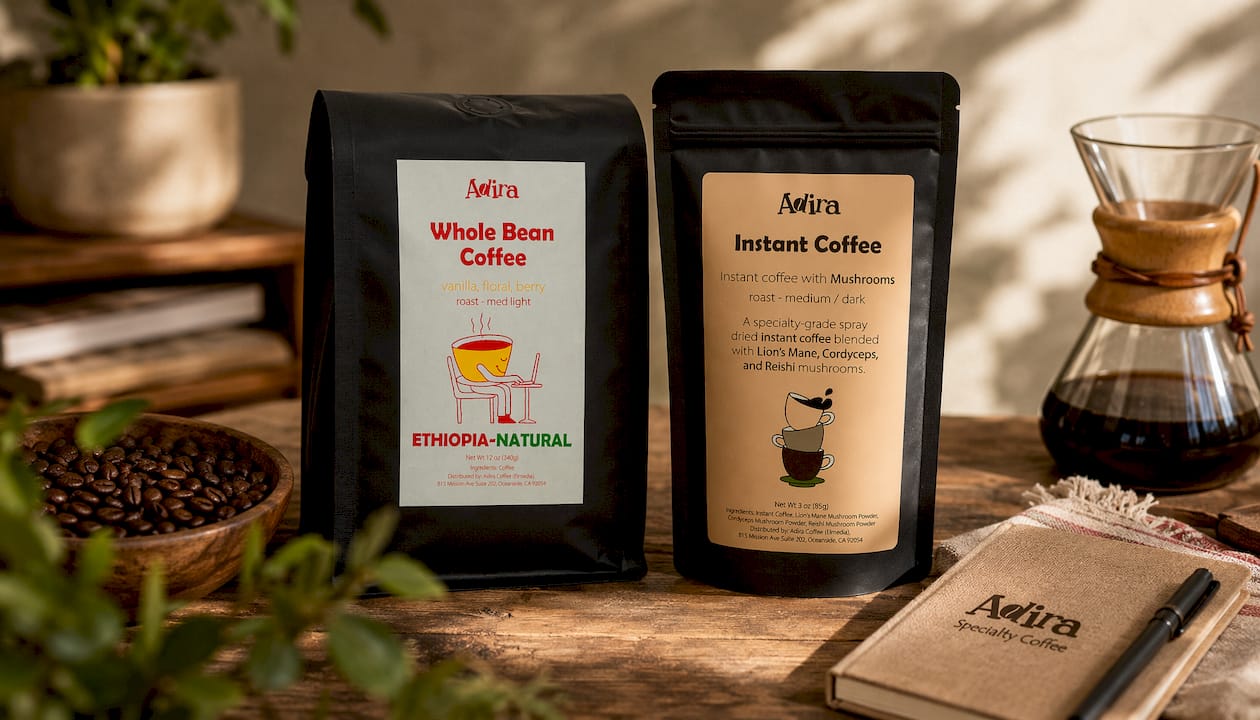
The Ethiopia Natural is the prestige single-origin pick: natural-processed, with blueberry, jasmine, and dark fruit notes that score at the top of the specialty range. For something different, the Instant Coffee with Mushrooms brings specialty-grade quality into a functional format.
- Roasted to order in small batches in California
- Named-farm sourcing from Colombia, Ethiopia, Costa Rica, Mexico, and Sumatra
- Personalized brewing recipes for your specific espresso or filter machine
- Subscription with 10% savings and free US shipping over $35
- Pair your morning cup with a Black Coffee Mug built for the ritual
Start with a single bag or go straight to the subscription at adiracoffee.com.
Sources and further reading
The figures and standards cited throughout this article draw from the following primary sources.
| Stat | Value | Source |
|---|---|---|
| Past-week specialty coffee consumption (U.S.) | 58% of Americans | NCA 2026 Specialty Coffee Report |
| Past-day specialty vs. traditional | 47% specialty vs. 42% traditional | NCA / Daily Coffee News, 2026 |
| Past-week espresso-based consumption | Rose from 40% (2022) to 45% (2026) | NCA 2026 |
- NCA 2026 Specialty Coffee Report — The primary source for U.S. specialty consumption trends, past-week and past-day penetration data, and espresso growth figures.
- SCA Value Assessment — Defines the four-part framework (physical, sensory, affective, extrinsic) used to evaluate specialty coffee; the basis for the 80-point threshold and roast-to-order freshness guidance.
- ICO Specialty Coffee Definitions — International Coffee Organization framework connecting traceability, sustainability, and quality premiums; used to evaluate sourcing claims in brand profiles.
- SCA Coffee Grading 101 — Practical grading and cupping training notes; supports the point that regional context and consistency matter alongside raw scores.
- Daily Coffee News — Specialty holds lead over traditional — Secondary corroboration for NCA market trend data.
- Tasteology — What does coffee scoring mean? — Explains the 80-point threshold and why many roasters set internal floors at 84+.