
TL;DR:
- Micro lot coffee comes from small, specifically separated farm plots processed independently to preserve unique flavors. It offers highly traceable, quality-focused beans that score above 87 on the SCA scale and command premium prices. This small-batch approach provides more complex, authentic flavors and a direct connection to the farm, but requires careful brewing and quick consumption.
Micro lot coffee is a small, intentionally separated batch of beans from a specific farm plot, processed apart from the bulk harvest to preserve distinct flavor characteristics and full traceability. If you have ever noticed a bag labeled with a farm name, harvest date, and processing method, you were likely holding a micro lot. These coffees sit at the top of the specialty coffee world, scoring well above commodity grades on the Specialty Coffee Association (SCA) scale and commanding prices that reflect the extraordinary care behind every step. Understanding what micro lot coffee is changes how you shop, brew, and taste.
What is micro lot coffee and how is it produced?
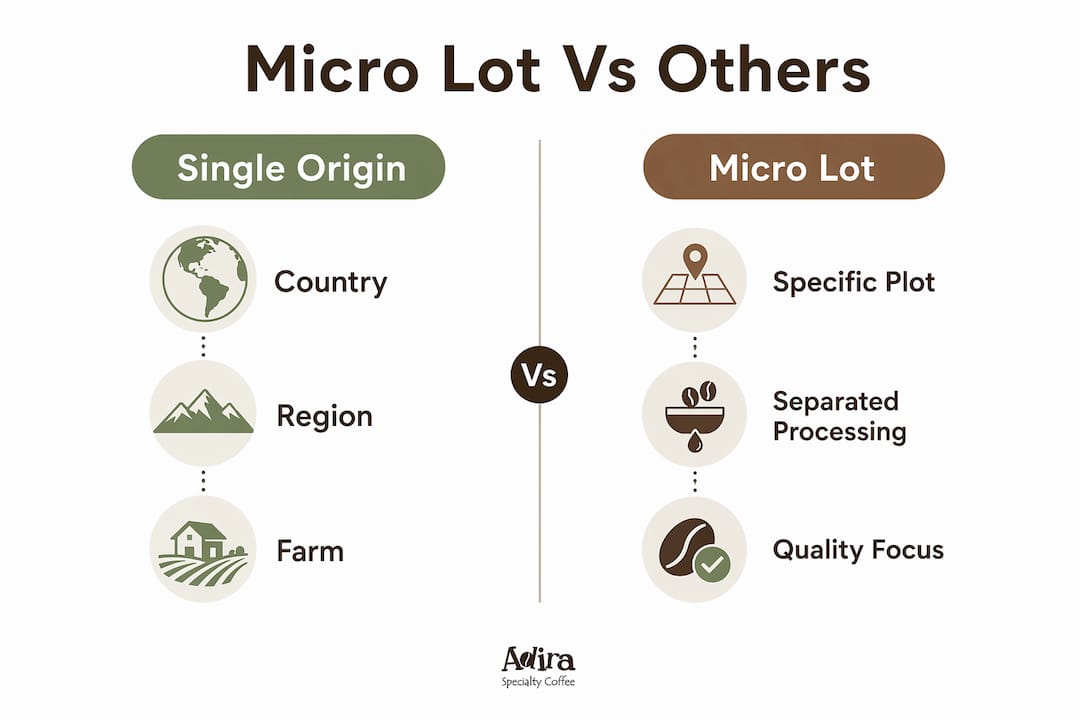
Micro lot coffee is a small batch separated from a farm’s main harvest, processed and dried independently to lock in unique cup characteristics. The farmer picks cherries from one specific plot, sometimes on a single harvest day, selecting only fruit at a precise ripeness. Those cherries never mix with the rest of the farm’s output.
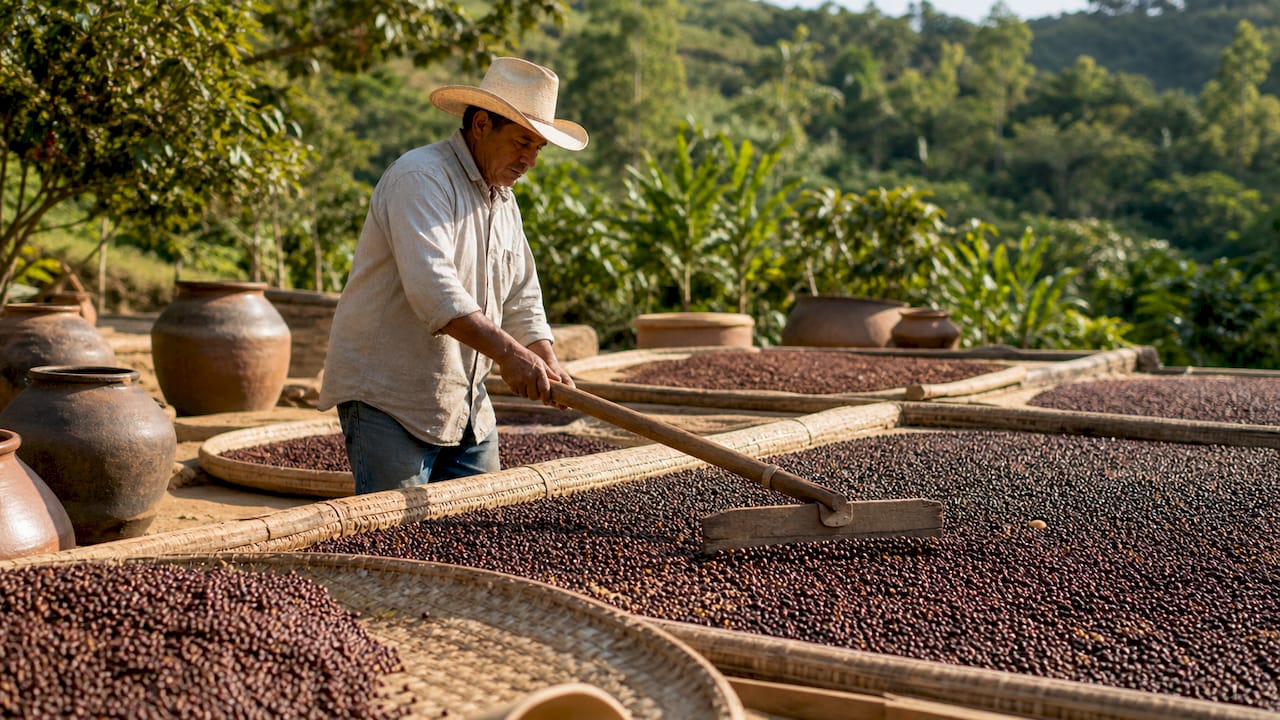
The production process is operationally intensive. After picking, the lot goes through fermentation and drying separately, with careful tracking at every stage. A farm manager must log which plot the cherries came from, the date, the processing method, and the drying conditions. Quality confirmation happens through cupping, where trained Q-graders evaluate the finished coffee before it earns the micro lot label.
Batch sizes are deliberately small. Typical micro lots run 7–50 bags, compared to a shipping container that carries roughly 260 bags. That scale difference explains why micro lots feel rare. You are not buying from a warehouse. You are buying the output of one carefully managed plot.
- Specific plot selection: Beans come from one defined section of a farm, not the whole property.
- Date and ripeness control: Cherries are picked on a specific day at a target ripeness level.
- Separate processing: Fermentation, washing, and drying happen in isolation from bulk lots.
- Lot tracking: Every stage is logged to maintain traceability from tree to bag.
- Cupping confirmation: A Q-grader cups the finished lot to verify quality before release.
Pro Tip: When you buy a micro lot, look for a bag that lists the farm name, plot or block, altitude, processing method, and harvest date. All five details together signal genuine micro lot sourcing, not just marketing language.
How does micro lot coffee differ from single origin and commercial coffee?
Single origin, micro lot, and commercial coffee are not interchangeable terms. They describe very different levels of traceability, quality control, and flavor specificity.
Single origin coffee traces back to one country, region, or farm. A bag labeled “Colombia” or “Ethiopia Yirgacheffe” qualifies as single origin. A micro lot goes further. It identifies a specific block within a farm, a specific harvest date, and a specific processing method. Micro lot coffees carry comprehensive traceability data including farm name, block, altitude, and processing method. That level of detail is what separates a micro lot from a standard single origin offering.
Commercial coffee sits at the opposite end. It blends beans from multiple farms, often multiple countries, with no meaningful traceability. The goal is consistency and volume, not flavor complexity. Understanding specialty coffee standards and scoring helps clarify where micro lots fit: they typically score 87 points or higher on the SCA’s 100-point scale, while commercial coffees rarely reach 80.
| Characteristic | Commercial coffee | Single origin | Micro lot coffee |
|---|---|---|---|
| Traceability | Blend, no farm detail | Country or farm | Specific plot, date, method |
| SCA score range | Below 80 | 80–86 | 87 and above |
| Batch size | Thousands of bags | Hundreds of bags | 7–50 bags |
| Flavor profile | Consistent, generic | Distinct regional notes | Highly unique, complex |
| Availability | Year-round | Seasonal | Very limited, often one batch |
| Price point | Low | Moderate | Premium |
The flavor difference is real, not just marketing. Because every variable from soil to fermentation time is controlled and documented, micro lots produce more pronounced and distinctive cup profiles. A washed Ethiopian micro lot from a single high-altitude block tastes nothing like a blended commercial Ethiopian coffee. The terroir is not diluted by mixing.
Why do roasters and coffee enthusiasts value micro lot coffee?
The price premium on micro lot coffee is not arbitrary. A micro lot scoring 87 or higher can sell for 2–5 times the farm’s commercial price. A lot scoring 89 or above at auction can fetch ten times the commercial rate. That price reflects the labor, skill, and risk the farmer absorbs to produce something exceptional.
For roasters, micro lots offer storytelling that blends cannot. When Adiracoffee sources beans from small farms in Colombia, Ethiopia, or Costa Rica, the specific lot data gives roasters something concrete to share with customers. The farm name, the altitude, the processing method. These details build trust and create a direct emotional connection between the person who grew the coffee and the person drinking it. Traceable coffee sourcing matters because it holds every link in the supply chain accountable.
Micro lots also attract roasters who want to work with experimental processing methods. Anaerobic fermentation, honey processing, and extended maceration techniques are easier to apply and monitor at small scale. These methods produce flavor profiles that would be impossible to replicate across a large commercial harvest.
For coffee enthusiasts, the appeal comes down to three things:
- Exclusivity: Micro lot coffees are seasonal and often available for one roast batch only, then gone until the next harvest.
- Complexity: Tightly controlled variables produce flavors that are more layered and specific than blended coffees.
- Connection: Knowing the exact plot, farmer, and harvest date creates a relationship with the coffee that a generic bag never can.
Pro Tip: If you find a micro lot you love, buy more than one bag. These coffees do not restock. When the batch is gone, it is gone until the next harvest cycle, and the next year’s lot will taste different.
What should you know about brewing and tasting micro lot coffee?
Brewing micro lot coffee requires more attention than brewing a standard blend. Micro lot coffees require careful brewing because variability means standard settings may not apply. The processing method, origin, and roast level all shift the ideal extraction parameters. What works perfectly for a washed Colombian lot may produce a flat or bitter cup from a natural Ethiopian lot.
Treat each micro lot as its own puzzle. Here is a practical approach:
- Start with a baseline. Use your standard grind size and water temperature as a starting point, then taste critically before adjusting.
- Adjust grind size first. If the cup tastes sour or underdeveloped, grind finer. If it tastes bitter or harsh, grind coarser. Grind size has the biggest impact on extraction.
- Experiment with water temperature. Lighter roasts often benefit from hotter water (around 200–205°F). Darker roasts can be more forgiving at slightly lower temperatures.
- Taste without additives first. Drink the first cup black. Milk and sugar mask the subtle notes that make micro lots worth the price.
- Take notes. Write down what you taste and what settings you used. Micro lots exhibit what roasters call micro seasonal volatility, meaning each batch behaves slightly differently. Notes from one bag help you dial in the next one faster.
Freshness matters more with micro lots than with commercial coffee. The unique flavor compounds that define a specific lot degrade quickly after roasting. Buy from roasters who ship within days of roasting and store your beans in an airtight container away from light and heat. Farm practices that shape flavor begin at origin, but freshness at home is the final variable you control.
Key Takeaways
Micro lot coffee is defined by small batch size, precise traceability, and quality scores that justify a significant price premium over commercial and standard single origin coffees.
| Point | Details |
|---|---|
| Definition and scale | A micro lot is a small, separately processed batch of 7–50 bags from one specific farm plot. |
| Traceability advantage | Micro lots document farm, block, altitude, processing method, and harvest date for full accountability. |
| Price premium | Lots scoring 87+ sell for 2–5 times the commercial price, reflecting labor and quality. |
| Brewing adjustment | Standard brew settings often do not apply; dial in each micro lot individually for best results. |
| Limited availability | Most micro lots are one-time seasonal releases. When the batch sells out, it does not restock. |
Why micro lots are the most honest coffee you can buy
The first time I cupped a micro lot from a small farm in Colombia, I was not prepared for how different it tasted from everything I had been drinking. Not just better. Different in a way that made me realize how much flavor gets averaged out in bulk processing. That experience is what pushed Ekaterina and me to build Adiracoffee around traceable, small-batch sourcing from the start.
What I find most compelling about micro lots is not the price or the prestige. It is the honesty. A micro lot cannot hide behind blending. If the farmer made a mistake during fermentation, you taste it. If the drying conditions were perfect, you taste that too. Every cup is a direct report from the farm. That level of transparency is rare in any food category, and coffee enthusiasts who understand it tend to become deeply loyal to the farms and roasters who deliver it.
The challenge, and I will be direct about this, is that micro lots demand more from the buyer. You need to brew carefully, buy quickly, and accept that the next harvest will taste different. Some coffee drinkers find that frustrating. I find it exciting. Each bag is a snapshot of one place at one moment in time. You cannot replicate it. You can only appreciate it while it lasts.
If you are new to micro lots, start with one from a region you already enjoy. Ethiopia if you like fruit-forward cups. Colombia if you prefer balance and sweetness. Let the coffee teach you what controlled variables actually taste like. You will not go back to generic bags easily.
— Stefan
Adiracoffee’s single origin coffees worth exploring
Adiracoffee sources beans directly from small farms and cooperatives in Colombia, Ethiopia, Costa Rica, Mexico, and Sumatra. Every bag is roasted to order in small batches in California and shipped within days of roasting.
If micro lot coffee has caught your attention, the single origin collection is the right place to start. These are traceable, small-batch coffees roasted fresh and delivered directly to you. Subscriptions are available with 10% savings, and US shipping is free over $35. For something outside the usual, the Cold Brew is a strong option for enthusiasts who want to taste origin character in a different format.
FAQ
What exactly is a micro lot in coffee?
A micro lot is a small batch of coffee, typically 7–50 bags, separated from a farm’s main harvest and processed independently to preserve unique flavor characteristics and full traceability to a specific plot and harvest date.
How is micro lot coffee different from single origin?
Single origin identifies a country, region, or farm. A micro lot goes further, specifying the exact block within a farm, the harvest date, the processing method, and the altitude, making it a subset of single origin with far greater detail.
Why does micro lot coffee cost more?
Micro lots require separate harvesting, processing, tracking, and cupping at every stage. A lot scoring 87 or higher on the SCA scale can sell for 2–5 times the farm’s commercial price, reflecting the extra labor and quality involved.
Can you brew micro lot coffee in a regular coffee maker?
Yes, but standard settings may not produce the best results. Micro lots benefit from individual dial-in because origin, processing, and roast level all affect ideal extraction. Start with your usual settings and adjust grind size based on taste.
How do I know if a coffee is a genuine micro lot?
Look for a bag that lists the farm name, specific plot or block, altitude, processing method, and harvest date. All five details together indicate genuine micro lot sourcing rather than a marketing label applied to a standard single origin coffee.