
If you want the short answer: the best organic coffees available in the U.S. right now combine USDA Organic certification, verifiable mold and mycotoxin controls, and beans sourced directly from small farms or cooperatives. Generic supermarket “organic” bags rarely clear all three bars. The standouts that do:
- Adiracoffee Ethiopia - Natural — single-origin Ethiopian beans, natural processed, small-batch roasted in California; bright fruit-forward flavor with full traceability from farm to bag
- Adiracoffee Mushroom Coffee (Medium Roast) — organic coffee blended with functional mushrooms, smooth body, moderate caffeine, designed for health-conscious drinkers who want added adaptogenic benefits
- Adiracoffee Mushroom Coffee (Dark Roast) — the same mushroom-blend concept at a deeper, bolder roast level; lower perceived acidity, rich chocolate notes
- Any USDA Organic + Fair Trade dual-certified bean from a traceable single-origin source, roasted fresh and shipped within days of roasting
What separates these from the crowded organic shelf: freshness, direct sourcing, and a roasting process that naturally reduces mold toxin risk. Roasting green coffee reduces ochratoxin A levels by 65–100%, which means a freshly roasted, properly stored organic bean is already a low-risk product. The brands worth your money make that process transparent.
Table of Contents
- What are the best organic coffee brands for mold-free quality?
- What do coffee certifications actually mean for safety and sustainability?
- How do you choose the best organic coffee for your health and taste?
- What do experts say about the health benefits of organic coffee?
- Key Takeaways
- What actually defines the best organic coffee in 2026
- Fresh from the farm: Adiracoffee’s organic coffees ship within days of roasting
What are the best organic coffee brands for mold-free quality?
The organic coffee market has expanded fast enough that the label alone no longer tells you much. What follows are detailed profiles of the top options, with the specifics that actually matter: taste, safety approach, certifications, and price.
Adiracoffee Ethiopia - Natural
Ethiopia is where coffee began, and the natural-process beans from this region remain some of the most complex available. Adiracoffee’s Ethiopia - Natural is sourced from small Ethiopian farms and roasted to order in small batches in California. The flavor profile leans toward dried blueberry, jasmine, and a clean, wine-like finish — characteristics that come from the natural (dry) processing method, where the cherry dries around the bean and imparts fruit sugars directly into the cup.
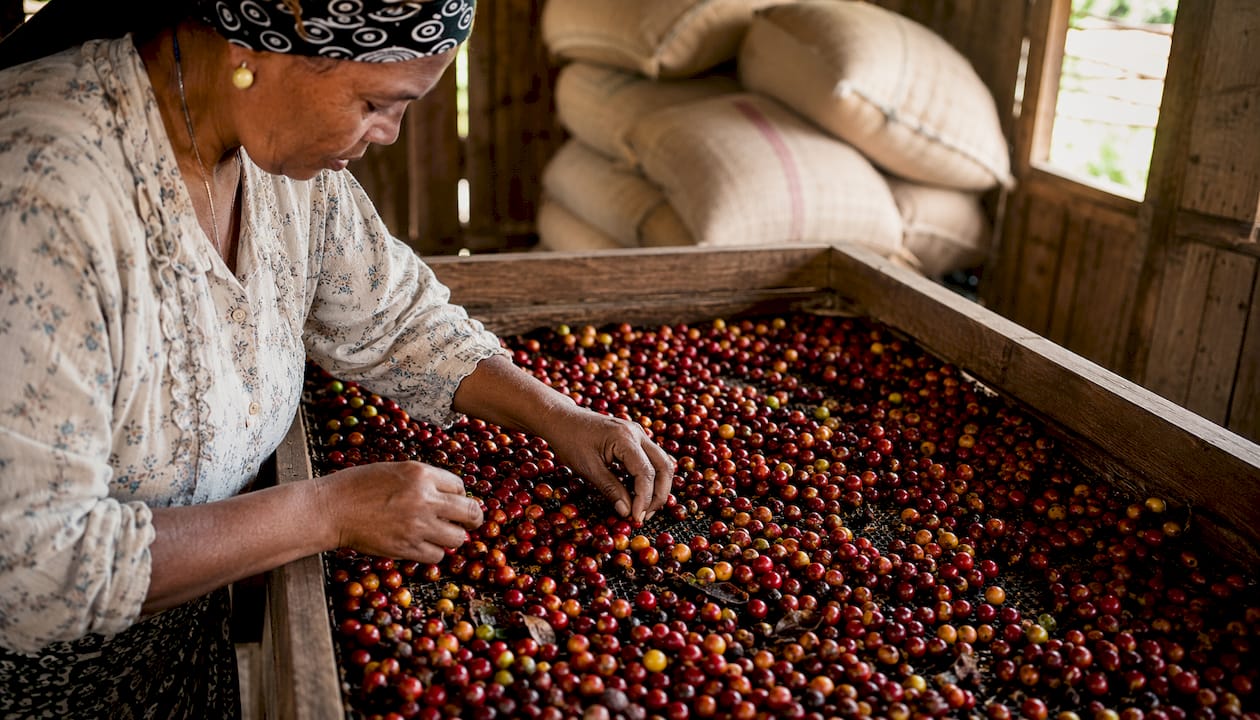
From a mold-safety standpoint, natural processing requires careful drying management. Adiracoffee’s direct sourcing model means the beans move from cooperative to roaster without sitting in a warehouse for months, which is where most mycotoxin risk accumulates. The roasting step itself then drives contamination levels down sharply.
Key strengths:
- Single-origin traceability to Ethiopian cooperatives
- Natural process for complex, fruit-forward flavor
- Small-batch roasting in California, shipped within days
- USDA Organic sourcing standards applied at the farm level
- No artificial additives or flavor agents
Price tier: Mid-range specialty
Caffeine content: Standard (light-to-medium roast range retains higher caffeine)
Best for: Drinkers who want a complex, fruit-forward cup and care about where their bean came from
Adiracoffee Mushroom Coffee (Medium Roast)
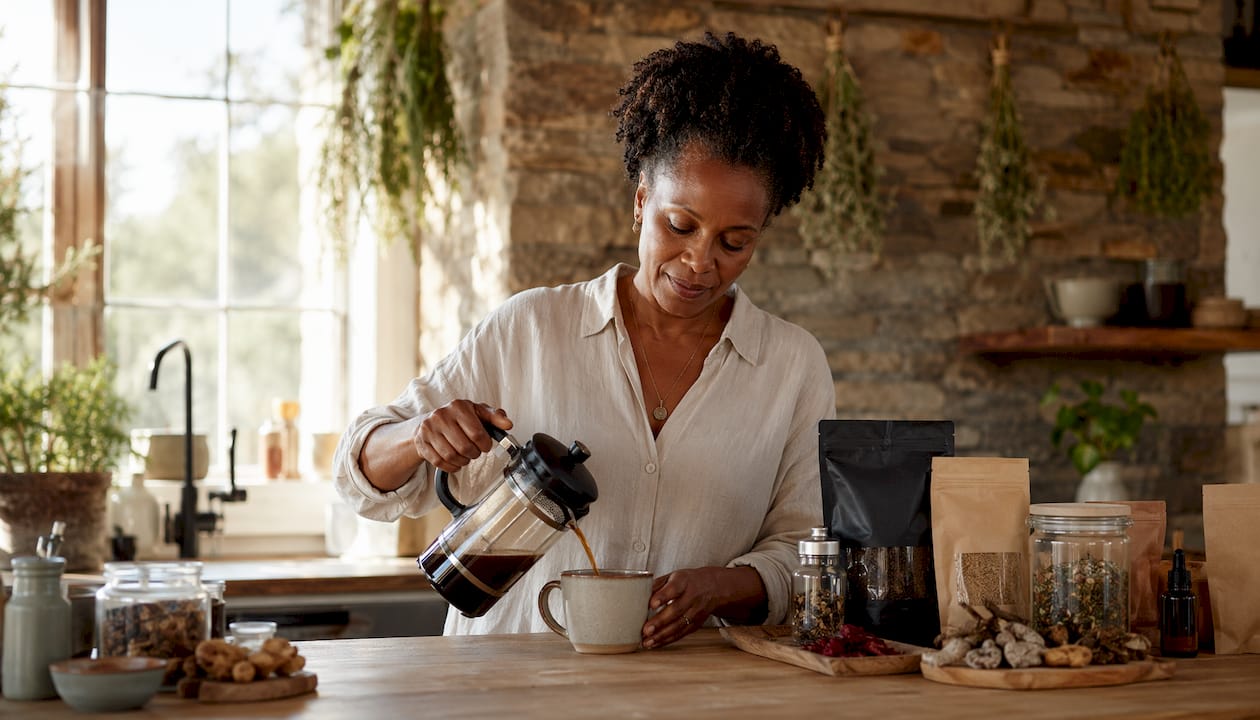
Functional mushroom coffee has moved well past trend status. Adiracoffee’s Mushroom Coffee (Medium Roast) blends organic coffee with adaptogenic mushrooms — a combination that appeals to health-conscious drinkers who want the ritual of coffee with a lower caffeine load and added functional benefits.
The medium roast keeps the cup approachable: smooth body, mild acidity, and enough brightness to taste like real coffee rather than a supplement. The mushroom component doesn’t overpower the flavor; it rounds out the finish and adds an earthy undertone that works well with milk or black.
Key strengths:
- Organic coffee base with functional mushroom blend
- Moderate caffeine, making it a practical choice for afternoon drinking
- Smooth, low-acid profile
- Small-batch roasted to order in California
- No synthetic additives
Price tier: Mid-range specialty
Best for: Health-focused drinkers reducing caffeine intake or exploring adaptogenic benefits without abandoning coffee entirely
Adiracoffee Mushroom Coffee (Dark Roast)
The Mushroom Coffee (Dark Roast) version takes the same organic mushroom-blend concept and pushes it into deeper, bolder territory. Dark roasting reduces perceived acidity significantly, which makes this the right pick for anyone with a sensitive stomach or a preference for the kind of rich, chocolate-and-smoke profile that holds up well through milk-based drinks.
Caffeine is slightly lower than the medium roast by volume (darker roasts lose a small amount of caffeine mass during extended roasting), though the difference is modest. The mushroom blend integrates more seamlessly at this roast level because the earthy notes align naturally with the roast character.
Key strengths:
- Bold, low-acid profile suited to espresso-style brewing or lattes
- Organic mushroom blend with functional benefits
- Roasted to order, shipped fresh
- Ideal for those who find lighter roasts too bright or acidic
Price tier: Mid-range specialty
Best for: Dark roast loyalists who want functional benefits without switching to a lighter, more delicate cup
How these three compare side by side
| Coffee | Taste Profile | Mold/Mycotoxin Safety | Organic Certification | Price Tier | Caffeine Content | Special Features |
|---|---|---|---|---|---|---|
| Ethiopia - Natural | Dried fruit, jasmine, wine-like finish | Direct sourcing + fresh roasting reduces OTA risk | USDA Organic sourcing | Mid-range specialty | Higher (light-medium roast) | Single-origin, natural process |
| Mushroom Coffee (Medium Roast) | Smooth, mild acidity, earthy finish | Fresh small-batch roasting | Organic coffee base | Mid-range specialty | Moderate | Adaptogenic mushroom blend |
| Mushroom Coffee (Dark Roast) | Bold, chocolate, low acid | Fresh small-batch roasting | Organic coffee base | Mid-range specialty | Slightly lower | Mushroom blend, espresso-friendly |
What do coffee certifications actually mean for safety and sustainability?
The label on a coffee bag can say a lot or almost nothing, depending on which certifications back it up. Here is what each one actually requires and why it matters.
USDA Organic: the baseline standard
The USDA Organic certification requires that at least 95% of a product’s content comes from certified organic ingredients, produced without synthetic pesticides, prohibited fertilizers, or genetically modified organisms. Farms must develop and follow an organic system plan agreed upon with an accredited certifying agent, and that plan must document every substance used in production.
The 2023 regulatory updates to the National Organic Program strengthened this further. Recent USDA amendments now require certifying agents to conduct unannounced inspections and improve supply chain traceability, which closes the loopholes that allowed fraudulent “organic” labeling to persist in some import channels. For coffee specifically, this means the farm, the exporter, and the roaster all need to maintain certification documentation.
What USDA Organic does NOT guarantee: mold-free beans, ethical wages for farmers, or environmental stewardship beyond pesticide restrictions. That’s where additional certifications matter.
Fair Trade: the ethical layer
Fair Trade certification addresses what USDA Organic leaves out. It sets minimum price floors for farmers, requires democratic cooperative structures, and mandates investment in community development funds. Choosing both Fair Trade and USDA Organic together gives you a more reliable signal of ethical and sustainable practices than either label alone.
The practical implication: a bag labeled only “organic” could come from a large industrial farm paying minimum wage in a country with weak labor protections. A bag with both certifications is more likely to come from a farmer-owned cooperative where growers receive a fair price and have a say in how the operation runs. For a deeper look at what Fair Trade certification actually delivers, the distinction between “Fair Trade Certified” and “Fair Trade USA” also matters — the two organizations use different standards.
Mold and mycotoxin safety: what the science says
Coffee is among the foods the FDA monitors for mycotoxin contamination, specifically ochratoxin A (OTA), a toxin produced by certain Aspergillus and Penicillium molds. The FDA monitors mycotoxins in human food, including coffee beans, as part of its ongoing food safety program.
The good news: roasting is highly effective. Roasting green coffee reduces OTA levels by 65–100%, which means the roasting step itself is the primary safety mechanism. The FDA uses a referral limit for OTA in coffee that is higher than the EU’s limit for roasted coffee, reflecting a different regulatory philosophy rather than a different risk profile.
What this means practically: the risk window for mycotoxin contamination is in green bean storage and transport, before roasting. Brands that source directly from farms, move beans quickly, and roast fresh close that window considerably. Brands that buy commodity green coffee from brokers with long warehouse times do not.
What to look for on a label or brand website:
- USDA Organic certification (verified by an accredited certifying agent, not self-declared)
- Fair Trade or equivalent ethical sourcing certification
- Disclosure of origin (country, region, cooperative, or farm name)
- Roast date on the bag (not just a “best by” date)
- Direct sourcing or farm-partnership language with specifics, not marketing copy
Pro Tip: A roast date on the bag is one of the most honest signals a coffee brand can give you. If the bag shows only a “best by” date, you have no idea whether the coffee was roasted six days or six months ago. Freshness directly affects both flavor and the practical safety margin from post-roast oxidation.
How do you choose the best organic coffee for your health and taste?
Choosing well comes down to matching your priorities — taste, health, budget, or ethics — with the specific attributes of a coffee. Here is a practical framework.
Step 1: Start with roast level and flavor preference
Roast level shapes everything else. Light roasts retain more of the bean’s original character: floral, fruity, and higher in perceived acidity. Medium roasts balance brightness with body. Dark roasts push toward chocolate, caramel, and smoke, with lower acidity and a heavier mouthfeel.
If you are new to single-origin coffee, a medium roast from a well-known origin like Colombia or Ethiopia is the lowest-risk starting point. Both regions produce beans with enough inherent sweetness to be forgiving across brewing methods.
Step 2: Evaluate freshness and sourcing transparency
A coffee roasted two weeks ago and shipped directly to you will taste better than a coffee roasted three months ago and sitting on a retail shelf. Look for brands that publish roast dates, ship within days of roasting, and disclose their sourcing partners by name. Traceable coffee sourcing is not just an ethical talking point — it is a quality indicator, because brands that know their farmers also tend to select better green coffee.
Step 3: Match certifications to your priorities
- Health-focused: USDA Organic is the minimum. Add mold-conscious sourcing (direct, fast-moving supply chain) and a fresh roast date.
- Ethics-focused: Look for Fair Trade or direct trade with disclosed farmer relationships.
- Environment-focused: Shade-grown and Rainforest Alliance certifications address biodiversity and ecosystem health beyond what USDA Organic covers.
- Budget-focused: Organic certification adds cost, but direct-to-consumer brands often undercut retail-stocked specialty brands because they skip the distributor margin.
Step 4: Consider caffeine and special formulations
Standard organic coffee runs roughly 80–100 mg of caffeine per 8 oz cup depending on roast and brew method. Mushroom coffee blends typically deliver a lower effective caffeine experience because the adaptogenic compounds in mushrooms like lion’s mane and chaga can moderate the stimulant response. If you are sensitive to caffeine or drink coffee in the afternoon, a mushroom blend or a naturally lower-caffeine origin (some Ethiopian naturals, for example) may suit you better.
Organic decaf: Worth a separate note. Conventional decaffeination uses chemical solvents. Organic decaf should use the Swiss Water Process or CO2 extraction, both of which remove caffeine without synthetic chemicals. If decaf is on your list, verify the decaffeination method before buying.
Step 5: Test before committing to a subscription
Most quality roasters offer single-bag purchases before you lock into a subscription. Buy one bag, brew it three ways (drip, pour-over, French press), and evaluate flavor, acidity, and how it sits with your stomach. Only then decide whether a subscription makes sense.
Pro Tip: Brew your first bag of a new organic coffee as a pour-over or French press before trying it in an espresso machine. These methods are more forgiving and reveal the bean’s actual flavor character without the pressure variables of espresso extraction. You will learn more about the coffee in two brews than in a week of pulling shots.
What do experts say about the health benefits of organic coffee?
The health case for organic coffee is real but more nuanced than most marketing copy suggests. Understanding where the benefits actually land helps you make a better-informed choice.
The consumer health picture
Neither organic nor conventional coffee poses significant health risks from pesticide or mycotoxin exposure at typical consumption levels. Both contain chlorogenic acid and other antioxidant compounds that research associates with reduced risk of type 2 diabetes, liver disease, and certain neurodegenerative conditions. The roasting process that makes coffee taste good also makes it safer: it destroys most surface pesticide residues and, as noted, reduces OTA contamination by 65–100%.
So the honest answer is that switching from conventional to organic coffee is unlikely to produce a dramatic personal health improvement for most people. That is not a reason to skip organic. It is a reason to understand where the real benefits are.
Where organic coffee genuinely matters most
The primary health benefit of organic coffee is the reduction of pesticide exposure for farm workers and surrounding ecosystems, not for the end consumer. Coffee farming in conventional systems involves repeated application of synthetic pesticides and herbicides, often in regions with limited worker protection regulations. Farm workers and their families live in direct contact with those chemicals. Choosing organic coffee is, in a meaningful sense, a health decision made on behalf of the people who grew it.
The ecosystem effects compound over time. Organic coffee farms, particularly shade-grown operations, support higher biodiversity, healthier soil, and cleaner watershed runoff than conventional monoculture operations. These are not abstract environmental talking points — they directly affect the long-term viability of the farms that produce the coffee you drink.
The antioxidant argument
Coffee is one of the largest single sources of antioxidants in the average American diet, organic or not. The chlorogenic acids in coffee have been studied for their role in glucose metabolism and inflammation modulation. Roast level affects antioxidant content: lighter roasts retain more chlorogenic acid, while darker roasts develop different antioxidant compounds through the Maillard reaction. Neither is definitively superior; they are different profiles.
Mushroom coffee blends add a separate antioxidant and adaptogenic layer. Lion’s mane has been studied for cognitive support; chaga and reishi for immune modulation. The evidence base for these compounds is still developing, but the functional mushroom category has moved well past novelty into serious nutritional research.
Pro Tip: If you are drinking coffee primarily for antioxidant benefits, a light or medium roast from a high-altitude origin (Ethiopian, Kenyan, or Colombian beans grown above 1,500 meters) will generally deliver a higher chlorogenic acid content than a dark roast from a lower-altitude farm. Altitude slows bean development and concentrates flavor and antioxidant compounds.
Key Takeaways
The best organic coffees combine USDA Organic certification, direct farm sourcing, and fresh small-batch roasting to deliver superior taste, mold safety, and genuine ethical value for health-conscious drinkers.
| Point | Details |
|---|---|
| Roasting reduces mold risk | Roasting cuts ochratoxin A levels by 65–100%, making fresh-roasted beans the safest option. |
| Dual certification matters | USDA Organic plus Fair Trade together signal both safety and ethical sourcing more reliably than either label alone. |
| Real benefit is for farmers | Organic coffee’s primary health impact is reduced pesticide exposure for farm workers, not consumers. |
| Freshness is a quality signal | A roast date on the bag is more informative than a “best by” date; buy from roasters who ship within days. |
| Adiracoffee’s top picks | Ethiopia - Natural, Mushroom Coffee (Medium Roast), and Mushroom Coffee (Dark Roast) cover the full range of health-focused organic options. |
What actually defines the best organic coffee in 2026
Most of the conversation around organic coffee gets stuck on certification checkboxes. Pass the USDA Organic audit, slap the seal on the bag, and call it a day. That framing misses the part that actually determines whether the coffee in your cup is worth drinking.
The certifications matter — but they are the floor, not the ceiling. A coffee can be fully USDA Organic certified and still taste flat, stale, and forgettable if it was roasted four months ago and shipped through three distribution layers before reaching you. Certification tells you what was NOT done to the bean during farming. It says nothing about what happened after harvest: how the coffee was processed, how long it sat in a warehouse, how recently it was roasted, or whether the roaster actually knows the farm it came from.
What I keep coming back to is the supply chain gap. The brands that consistently produce the best organic coffees are the ones that have compressed the distance between farm and cup. Not metaphorically. Literally. They know the cooperative by name, they move green coffee quickly, they roast in small batches, and they ship within days. That compression is what makes the difference between an organic coffee that tastes alive and one that tastes like it technically qualifies.
The mushroom coffee category is worth taking seriously, not dismissing as a wellness fad. The functional mushroom research is still maturing, but the underlying logic is sound: adaptogens that modulate stress response pair well with caffeine’s stimulant effect. The question is whether the brand uses meaningful amounts of functional mushroom extract or trace quantities added for marketing purposes. Brands that disclose their mushroom sourcing and extraction method are the ones worth trusting.
One more thing that gets underweighted: the ethical dimension is a health dimension. If the farm workers growing your coffee are exposed to synthetic pesticides without adequate protection, that is a public health problem. Choosing organic is one of the few purchasing decisions where the health benefit flows primarily to someone else. That is not a weakness of the argument. It is a reason to take it more seriously.
Fresh from the farm: Adiracoffee’s organic coffees ship within days of roasting
Adiracoffee was built around a specific frustration: Stefan and Ekaterina Nedelchev came to America from Bulgaria and couldn’t find a coffee worth a second cup at the supermarket. So they built the alternative. Every bag is roasted in small batches in California and shipped directly to you, typically within days of roasting. No distribution warehouses. No retail shelf aging.
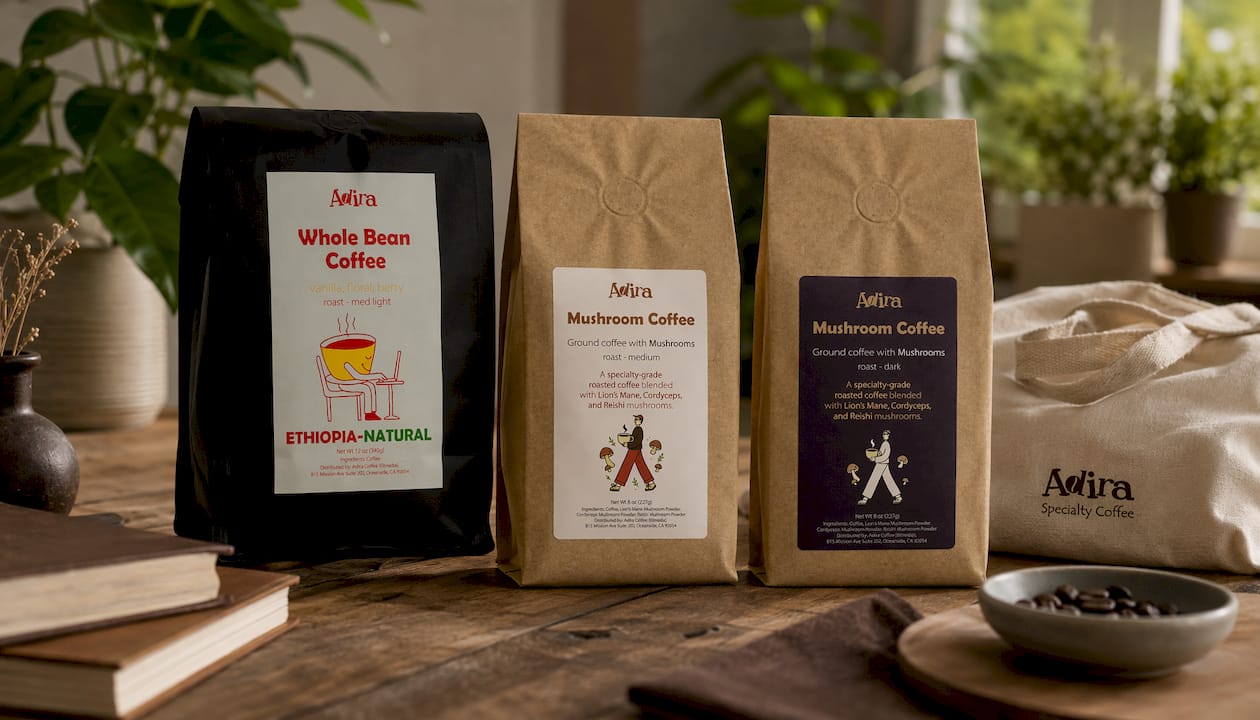
The sourcing runs through cooperatives and small farms in Colombia, Ethiopia, Costa Rica, Mexico, and Sumatra. The Ethiopia - Natural is the standout single-origin, with the kind of fruit-forward complexity that comes from knowing exactly which farm the beans came from. The Mushroom Coffee (Medium Roast) and Mushroom Coffee (Dark Roast) bring functional adaptogenic benefits to an organic coffee base, roasted to order so the mushroom compounds and coffee flavor both arrive at their peak.
What you get with Adiracoffee:
- Small-batch roasting in California, shipped within days
- Direct sourcing from cooperatives and small farms across five origins
- Subscription option with 10% savings and free US shipping over $35
- No middlemen, no warehouse aging, no mystery about where the bean came from
If you want organic coffee that actually delivers on the promise, explore Adiracoffee’s full lineup and find the roast and origin that fits your cup.