
Carbonic maceration coffee is whole cherry fermented inside a sealed, CO2-flooded tank before the fruit is pulped or dried, and it’s why some lots taste like you dumped a handful of raspberries and grape soda into your cup. The sealed, oxygen-starved environment forces the cherry’s own cells to ferment from the inside out before any yeast or bacteria touch the fruit, which is the intracellular phase that gives the process its name. The result is often intensely fruity, floral, occasionally wine-like coffee with a sweetness that borders on candy.
Carbonic maceration is technically a subset of anaerobic fermentation, not a synonym for it. Anaerobic fermentation just means oxygen is excluded. Carbonic maceration adds a specific twist: pressurized CO2, whole intact cherries, and a deliberate intracellular stage before any pulping happens.
- What it is: whole cherries fermenting in a sealed, CO2-rich tank
- Signature flavor: fruit-forward, floral, sometimes wine-like sweetness
- Relationship to anaerobic fermentation: a specific, more controlled version of it
Key Takeaways
Carbonic maceration coffee ferments whole cherries intracellularly inside sealed, CO2-rich tanks, producing fruit-forward, floral, wine-like flavors that require tight temperature and timing control to avoid over-fermentation.
| Point | Details |
|---|---|
| Process basics | Whole cherries ferment inside a sealed CO2 tank before pulping or drying. |
| Timing matters | Intracellular fermentation typically runs 48 to 120 hours, with full protocols taking 45+ days. |
| Temperature controls flavor | Cooler fermentation around 30°C for longer periods tends to produce better sensory scores. |
| Watch for over-fermentation | Vinegary or solvent-like smells signal the batch went too far. |
| Adiracoffee’s closest match | Ethiopia - Natural offers a similar fruit-forward profile, roasted fresh and shipped within days. |
Table of Contents
- How Carbonic Maceration Coffee Processing Actually Works
- What Carbonic Maceration Tastes Like in the Cup
- The Variables That Shape a Carbonic Maceration Coffee Lot
- Where Carbonic Maceration Coffee Can Go Wrong
- What I Think Actually Matters Here
- Get Fresh, Fruit-Forward Coffee Without the Guesswork
- Sources
How Carbonic Maceration Coffee Processing Actually Works
The process starts with cherry selection, and this step decides more of the outcome than most home brewers realize. Producers hand-sort for ripe, undamaged cherries because a single split or overripe cherry introduces stray microbes that can throw off the entire batch before fermentation even begins.
Once sorted, the cherries go into a sealed tank, and the tank gets purged with food-grade CO2. That purge matters more than it sounds. Flooding the tank with carbon dioxide suppresses aerobic microbial activity early, which gives the cherry’s own enzymes room to work first. This is the intracellular phase: sugars and organic acids break down inside the still-intact fruit cells, producing the aromatic compounds responsible for the process’s signature fruitiness.
That phase typically runs anywhere from 48 to 120 hours, though the exact window depends on temperature and ambient climate, cherry ripeness, and what flavor result the producer is chasing. Once the cell walls start breaking down, a second, more familiar microbial fermentation phase kicks in, driven by the yeasts and bacteria that were held back by the CO2 blanket. From there, producers either pulp the fermented cherries and finish drying the parchment, or dry the whole cherry naturally, depending on the flavor they’re targeting.
Here’s the basic sequence:
- Sort and select whole, ripe cherries
- Load cherries into a sealed tank
- Purge with CO2 to displace oxygen
- Let the intracellular phase run (roughly 48 to 120 hours)
- Allow microbial fermentation once cell walls break down
- Pulp or dry, depending on the process style
Producers watch tank pressure, sample aroma through valve ports, and check for foaming or excess off-gassing as their cues for when a batch has reached its peak. MTPak’s roaster guide notes that some full protocols, including drying and stabilization, run at least 45 days start to finish, which is a lot longer than most people assume when they hear “fermentation.”
What Carbonic Maceration Tastes Like in the Cup
Cup a well-executed carbonic maceration lot and you’ll usually find red berry, tropical fruit, and floral notes stacked on top of each other, sometimes with a distinct wine or grape character. Some batches lean toward a candy-like sweetness that borders on Jolly Rancher, particularly when producers extend the fermentation into what’s known as “double carbonic maceration,” a technique Daily Coffee News has documented among producers pushing for more extreme flavor outcomes.

Texture tends to be syrupy and full, acidity is usually softer and rounder than a washed coffee’s crisp brightness, and the finish often lingers with fruit rather than snapping clean. Compared to a classic washed process, carbonic maceration coffee gives up some clarity for intensity. Compared to a standard natural, it usually shows more precision and less funk.
A few notes to look for when tasting:
- Ripe red fruit (raspberry, cherry, strawberry) up front
- Floral top notes like jasmine or hibiscus
- Wine or grape-like acidity in the mid-palate
- A sweet, sometimes syrupy finish
For brewing, pour-over methods with a slightly coarser grind and a lower brew temperature (around 195°F) tend to protect the aromatics better than a hot, fast extraction. A 1:16 ratio gives the fruit notes room to show without drowning them in bitterness.
Pro Tip: Cup carbonic maceration coffee slightly cooler than you normally would. A lot of the volatile fruit aromatics fade fast at high temperatures, so waiting an extra minute before your first slurp often reveals notes you’d otherwise miss.
Red flags to watch for: sharp vinegar or nail polish remover smells signal over-fermentation, and a flat, muddy cup with no distinct fruit character usually means the intracellular phase never really got going.
The Variables That Shape a Carbonic Maceration Coffee Lot
Temperature is the single biggest lever producers pull. A controlled fermentation study found that fermenting at 30°C for more than 120 hours produced better sensory scores than shorter fermentations at higher temperatures, which tells you cooler and longer often beats hot and fast when it comes to preserving delicate aromatics.
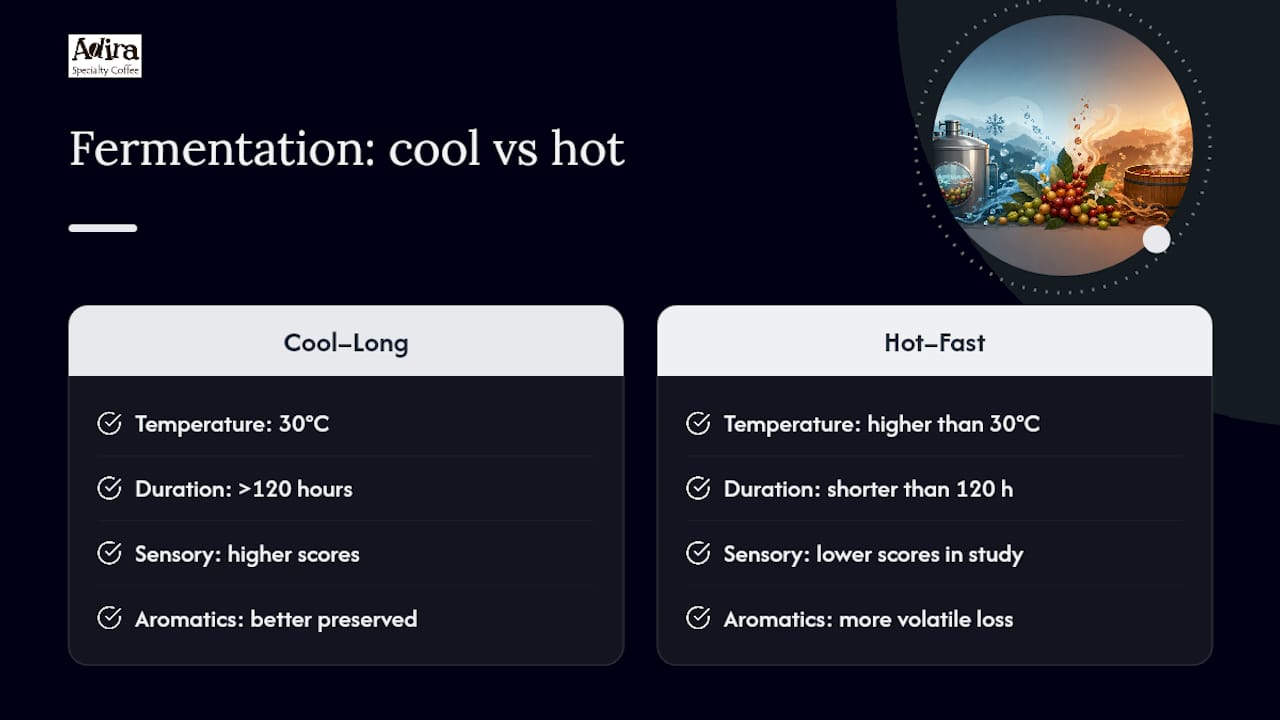
CO2 concentration works alongside temperature by holding back microbial fermentation, giving the intracellular enzymatic reactions more uninterrupted time to build flavor complexity. Cherry ripeness matters just as much: a high, consistent Brix reading across the batch means more available sugar for fermentation and a more even result, while mixed ripeness levels create uneven, sometimes muddy cups.
Producers typically pull small samples throughout fermentation, cup them informally, and use aroma and taste as the real signal for when to stop, since pressure readings alone don’t tell the whole story.
Where Carbonic Maceration Coffee Can Go Wrong
The biggest risk is over-fermentation, which shows up as sharp, vinegary, or solvent-like off-notes that ruin an otherwise promising lot. Damaged or overripe cherries entering the tank are the most common root cause, since a few bad cherries introduce microbes that hijack the intracellular phase before it can do its job.
Sanitation matters more here than in most processing methods, because a sealed tank with no oxygen is also an ideal environment for the wrong kind of bacteria if equipment isn’t cleaned properly between batches. Best practice includes rigorous hand-sorting, sanitized tanks, and close phase monitoring rather than a set-it-and-forget-it timeline.
- Sort cherries by hand to remove damaged or underripe fruit
- Sanitize tanks and valves between every batch
- Track temperature and time rather than relying on a fixed schedule
- Sample and cup throughout fermentation, not just at the end
Once fermentation ends, drying and packaging decide whether the flavor survives to your cup. Hermetic and vacuum packaging helps lock in the volatile compounds that make carbonic maceration coffee distinct, since those aromatics degrade fast once exposed to air.
Carbonic maceration favors expressive, competition-caliber lots rather than everyday commercial coffee, precisely because the resulting flavors are fragile and easily lost in transport if handling isn’t tight.
That fragility, plus the equipment investment (MTPak estimates a 1,000-liter stainless tank costs a significant amount) and the extended timeline, is why carbonic maceration lots almost always carry a price premium over standard washed or natural coffee.
What I Think Actually Matters Here
Most explainers treat carbonic maceration like a magic trick: seal the tank, wait, get grape soda in a cup. That’s backwards. The experimental data on temperature and duration makes it clear that the process rewards patience and precision, not intensity. A producer running hot and fast to speed things up usually loses the clarity that makes carbonic maceration worth the premium in the first place.
The overrated advice is chasing the most extreme, funkiest carbonic maceration lot you can find. The extreme examples get attention, but the best cups I’ve read about tend to come from restrained fermentation windows around 30°C, run long rather than hot. If you’re buying carbonic maceration coffee, taste for balance and clarity before you taste for intensity. A lot that smells like nail polish isn’t pushing boundaries. It’s over-fermented.
What matters most for a home brewer is freshness after roasting, since these flavors degrade fast. That’s a bigger lever than almost anything you do at the brewer.
— Stefan
Get Fresh, Fruit-Forward Coffee Without the Guesswork
If carbonic maceration coffee has you craving something bright, fruity, and roasted with the same care described above, Adiracoffee gets that coffee to you within days of roasting instead of sitting on a shelf for weeks like most bags at the grocery store. That freshness window is exactly what protects the delicate aromatics this article covers, whether you’re drinking a CM lot or one of Adira’s own naturally processed beans.
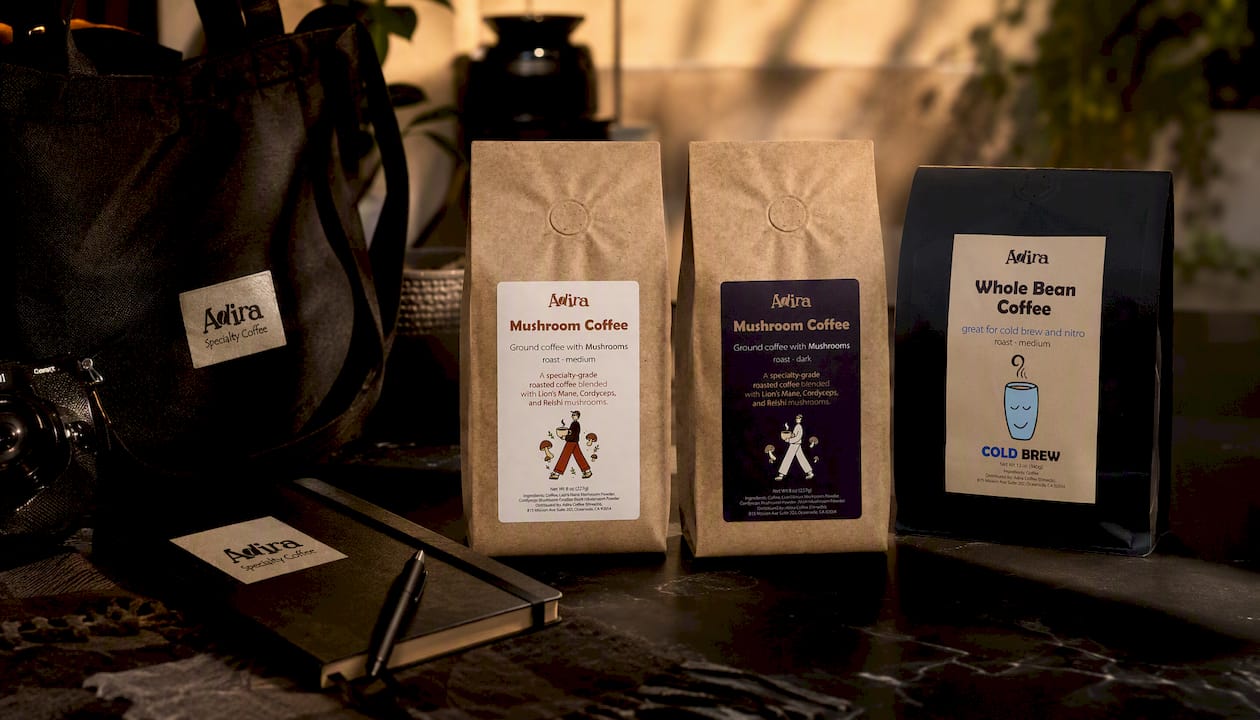
The Ethiopia - Natural is the closest match in the current lineup to carbonic maceration’s fruit-forward, floral signature, and it’s roasted to order rather than sitting in a warehouse. Subscribers save 10% and get free US shipping over $35, so if fruit-driven, small-batch coffee is what you’re after, start a subscription and taste the difference freshness makes.
Sources
- A Guide to Carbonic Maceration and Anaerobic Fermentation in Coffee
- Carbonic maceration in coffee: the ultimate guide for roasters - MTPak Coffee
- Modulation of the sensory and chemical profile of Coffea arabica grown in transition zones through carbonic maceration fermentation - ScienceDirect
Recommended
- Anaerobic Coffee Explained: Fermentation, Flavor, and Buying – Adira Coffee US
- Fruity Coffee Beans: What They Are and How to Brew Them – Adira Coffee US
- What is coffee blooming and why it matters for flavor – Adira Coffee US
- How Coffee Farms Define Flavor: Practices That Impact Quality – Adira Coffee US