
Wet-hulled coffee, called Giling Basah in Indonesia, is a hulling method where parchment is stripped off while the bean still holds roughly 30 to 40% moisture. That early hull exposes the green bean to open air days sooner than washed or natural processing allows, and it’s why Sumatra, Sulawesi, and Flores lots taste syrupy and heavy, with low acidity and notes of cedar, dark chocolate, and damp earth.
TL;DR:
- The moisture percentage at hulling distinguishes wet-hulled coffee from other methods, with 30 to 35 percent being a key indicator of process control.
- Wet-hulled beans absorb soil and humidity during final drying, giving them a distinctive heavy body and low acidity profile that is recognizable to trained cuppers.
- Proper sorting and moisture verification are essential to maintaining quality in wet-hulled coffee, as defects often stem from the hulling process itself.
- Roasters should adjust their profiles to account for higher residual moisture and refine their sorting to ensure consistent, high-quality results.
- Sourcing questions should focus on moisture levels at hulling, defect counts, and region details, as these factors critically impact flavor and quality.
Table of Contents
- What Is Wet-Hulled Coffee and How It Differs From Washed Processing
- Why Indonesian Farmers Developed the Wet-Hulling Technique
- Cup Profile: Why Wet-Hulled Coffee Tastes Different
- Roasting and Brewing Wet-Hulled Beans: What Changes in Practice
- What to Ask When Sourcing Wet-Hulled Lots
- The Real Skill in Wet-Hulled Coffee Isn’t the Process, It’s the Sorting
- Try Adira’s Wet-Hulled Sumatra for Yourself
- Sources
What Is Wet-Hulled Coffee and How It Differs From Washed Processing
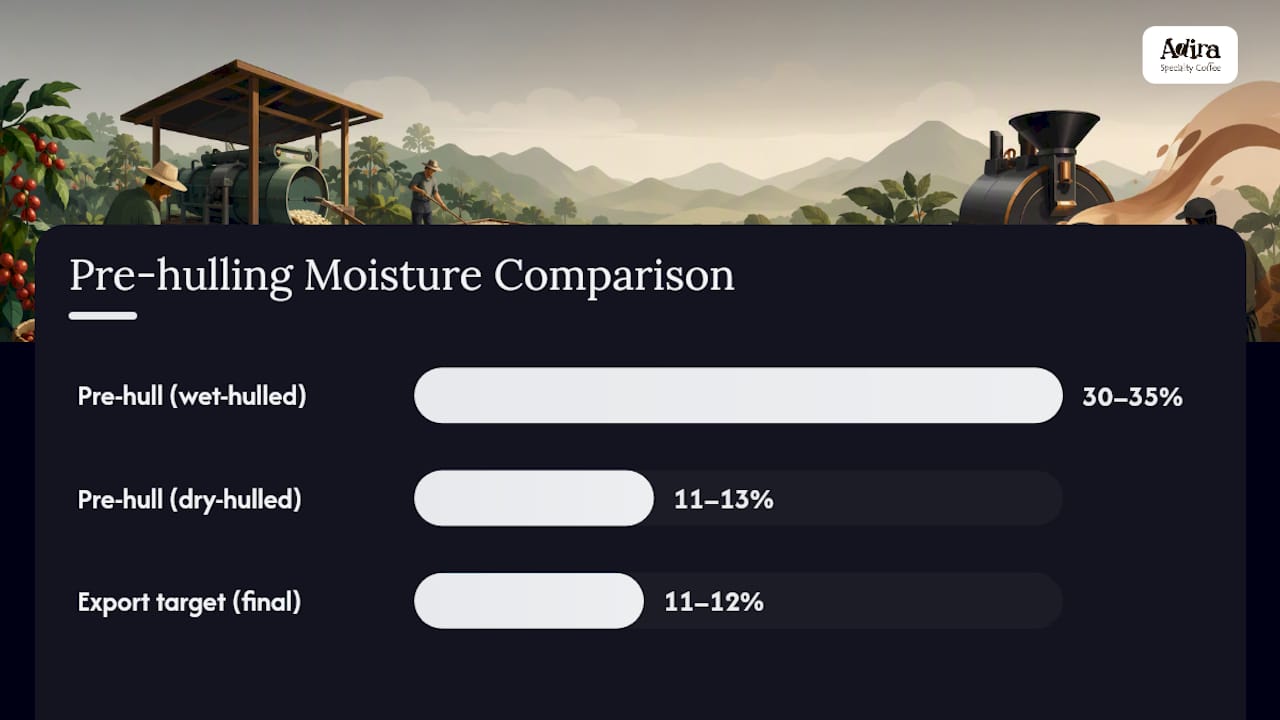
Most processing methods keep parchment on the bean until it’s nearly dry, somewhere around 11 to 13% moisture, before a huller ever touches it. Wet-hulled coffee skips that wait. Mills remove the parchment at 30 to 35% moisture, exposing the naked green bean to finish drying without its protective shell.
That single decision changes almost everything downstream. A washed process coffee spends its entire drying period sealed inside parchment, which insulates the bean from ambient humidity and slows down aromatic changes. Wet-hulled beans, once exposed, pick up moisture and character from the air around them during that final drying stretch. It’s also worth separating two things buyers often conflate: cherry processing (washed, semi-washed, or natural) describes how the fruit was removed, while wet-hulling describes only the hulling step. A lot can be semi-washed and wet-hulled, which is the norm in Sumatra, according to Perfect Daily Grind’s overview of Indonesian processing.
The workflow breaks into four stages:
- Pulping and fermentation: Cherries are pulped, then fermented for 12 to 24 hours to loosen the sticky mucilage before a rewash.
- Partial drying: Wet parchment (called gabah) dries for just 2 to 3 days, only until it reaches that 30 to 40% moisture window
- Wet hulling: A calibrated huller strips parchment at this high moisture, which demands precise machine settings since damp parchment splits and chips more easily than dry parchment.
- Final drying: The now-naked green bean dries further, typically on mats or raised beds, until it reaches export moisture near 11 to 12%.
Pro Tip: If a supplier can’t tell you the moisture percentage at the point of hulling, ask again. That number, more than any tasting note, tells you how the mill actually runs its floor.
Pre-hulling moisture is the number that separates this method from every other: wet-hulled targets sit at 30 to 35%, versus 11 to 13% for dry-hulled lots, a gap wide enough to explain most of the flavor and risk differences discussed later.
Why Indonesian Farmers Developed the Wet-Hulling Technique
Giling Basah isn’t a flavor experiment. It’s a weather workaround. Regions like Sumatra’s Lintong and Aceh highlands get rain most of the year, and parchment left to dry slowly in that humidity turns moldy long before it reaches safe storage moisture.
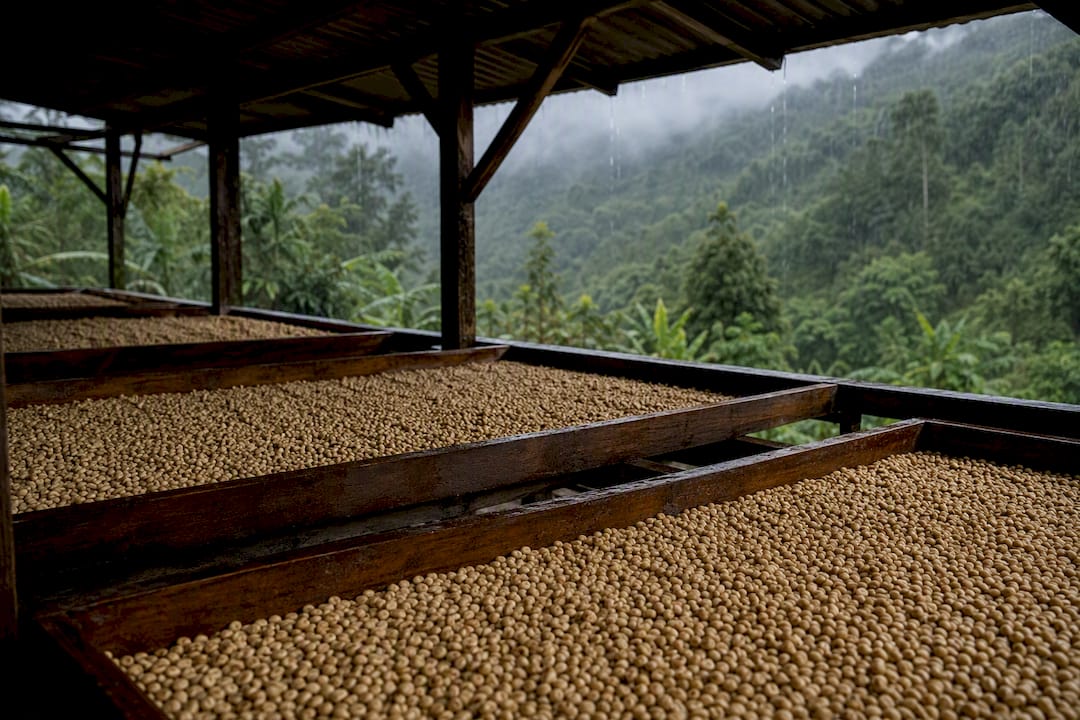
Pulling the parchment early and finishing the dry on exposed bean cuts that vulnerable window from weeks down to just 2 to 3 days, which matters enormously for smallholders who need to sell cherry and get paid before the next harvest cycle starts.
That speed comes at a cost:
- Higher risk of chipped or broken beans during hulling, since damp parchment doesn’t hull as cleanly as dry parchment.
- Greater exposure to mold and uneven drying if beds aren’t managed carefully.
- A hard requirement for disciplined sorting afterward, because defects that slip through at the mill show up directly in the cup.
Cup Profile: Why Wet-Hulled Coffee Tastes Different
Pull the parchment early and you change what the bean absorbs during its final drying days. Exposed green beans sitting on open-air beds pick up moisture, soil compounds, and ambient humidity in a way that sealed parchment never allows, and that direct contact is largely responsible for the flavor signature that defines Giling Basah.
The tasting notes are distinctive enough that most trained cuppers can identify wet-hulled coffee blind:
- Heavy, almost syrupy body that coats the palate
- Low, muted acidity rather than the bright, citric snap of washed coffee
- Cedar, tobacco, and herbal or earthy undertones
- Dark chocolate and occasional spice in the finish
Washed coffees develop clean, bright acidity precisely because parchment protects the bean until it’s fully dry, which is the mirror image of what happens with Giling Basah. Altitude adds another layer: a semi-washed, wet-hulled lot grown at 1,400 meters carries more structure and brighter top notes than the same process at 900 meters, even though both share the earthy, low-acid backbone.
This profile is exactly why wet-hulled beans show up so often in espresso blends. A 10 to 20% inclusion adds body and lowers perceived acidity without dragging the shot into muddy territory, which is a common failure point when roasters push the percentage too high. Specialty grade is still achievable here. Mills that run disciplined fermentation timing and tight sorting regularly produce lots scoring in the 82 to 88 SCA range, disproving the idea that wet-hulling is inherently a lower-grade process.
Roasting and Brewing Wet-Hulled Beans: What Changes in Practice
Wet-hulled green coffee behaves differently the moment it hits the drum, and roasters who treat it like a standard washed lot usually end up with a flat, underdeveloped cup.
- Expect an earlier first crack. Wet-hulled beans carry more residual surface moisture than dry-hulled beans, which affects the roast curve and pulls first crack forward.
- Adjust your charge temperature. Raising the charge slightly or extending the early drying phase gives the bean more time to shed that surface moisture evenly before development starts.
- Hand-sort before roasting. Wet-hulled lots carry a higher share of chipped or uneven beans, so a quick pass on a sorting tray before the roast prevents scorched fragments from tainting a batch.
- Rest the green when moisture readings run high. A few extra days of rest before roasting stabilizes inconsistent lots.
- Pull espresso at a slightly lower temperature. The heavy body concentrates fast, and a hotter shot tends to read as muddy rather than rich.
- Test blend percentages by cupping, not by guessing. Run the same base blend at 10%, 15%, and 20% wet-hulled inclusion and cup each one at two roast levels before locking a recipe.
Pro Tip: Brew wet-hulled coffee as a pour-over once, even if you’d never sell it that way. It’s the fastest way to taste exactly how much body survives dilution, and it’ll change how you dial your espresso ratio.
What to Ask When Sourcing Wet-Hulled Lots
Grading standards for Indonesian coffee, referenced through Indonesia’s national SNI framework and international ISC defect guidelines, set defect-value thresholds per 300 grams of green coffee. Wet-hulling introduces specific defect types tied directly to its own mechanics, so a smart buyer knows which questions actually reveal mill discipline.
- What was the moisture percentage at the moment of hulling?
- What’s the defect value per 300 grams, and how was it counted?
- Was the lot hand-sorted after hulling, and how many passes?
- What altitude and specific region did the cherry come from?
- Is a current cupping sample available before you commit to a contract quantity?
Broken beans, uneven coloring, and mold risk are the three defects that trace most directly back to the wet-hulling step itself, which is exactly why post-hull sorting isn’t optional if you’re buying for a specialty program rather than a commercial blend.
The Real Skill in Wet-Hulled Coffee Isn’t the Process, It’s the Sorting
Most write-ups treat Giling Basah like a flavor recipe: skip this step, get earthy notes. That’s backwards. The process is a climate workaround first, and the flavor is a side effect of removing parchment early, not the goal of doing so. What the research on defect risk and sorting standards actually supports is a simpler truth: wet-hulling doesn’t cap quality, sloppy mill management does.
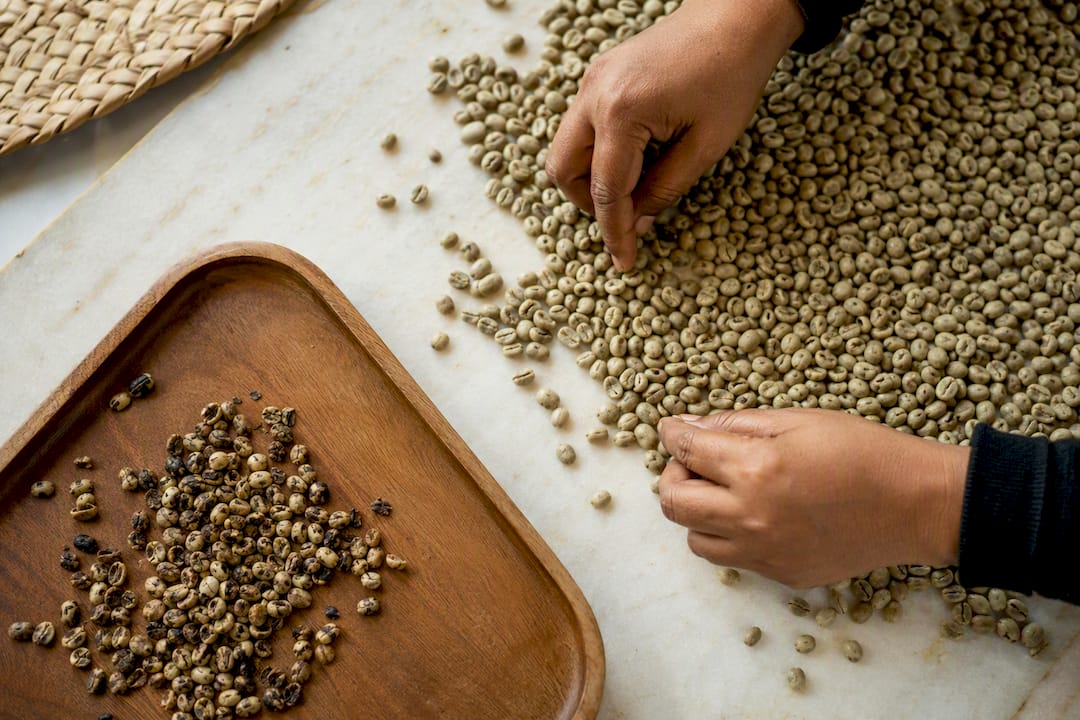
The conventional advice tells roasters to just “roast it hotter and faster” for wet-hulled lots. That’s half right. Compressed roast curves matter, but the bigger lever is what happens before the beans ever reach the drum: moisture verification at hulling and a real sorting pass afterward. Skip those and no roast profile saves the batch.
If you’re buying or roasting wet-hulled coffee for the first time, prioritize the paper trail over the tasting notes. Ask for moisture at hulling and defect counts before you ask about altitude or varietal. The romantic story about volcanic soil means nothing if the mill let parchment sit too long before hulling it.
— Stefan
Try Adira’s Wet-Hulled Sumatra for Yourself
Reading about heavy body and muted acidity only gets you so far. Adira Coffee roasts a wet-hulled Sumatra sourced from mills that meet our sorting and moisture standards, and every bag ships within days of roasting so you’re tasting the process at its freshest, not a bag that’s been sitting on a shelf for months.
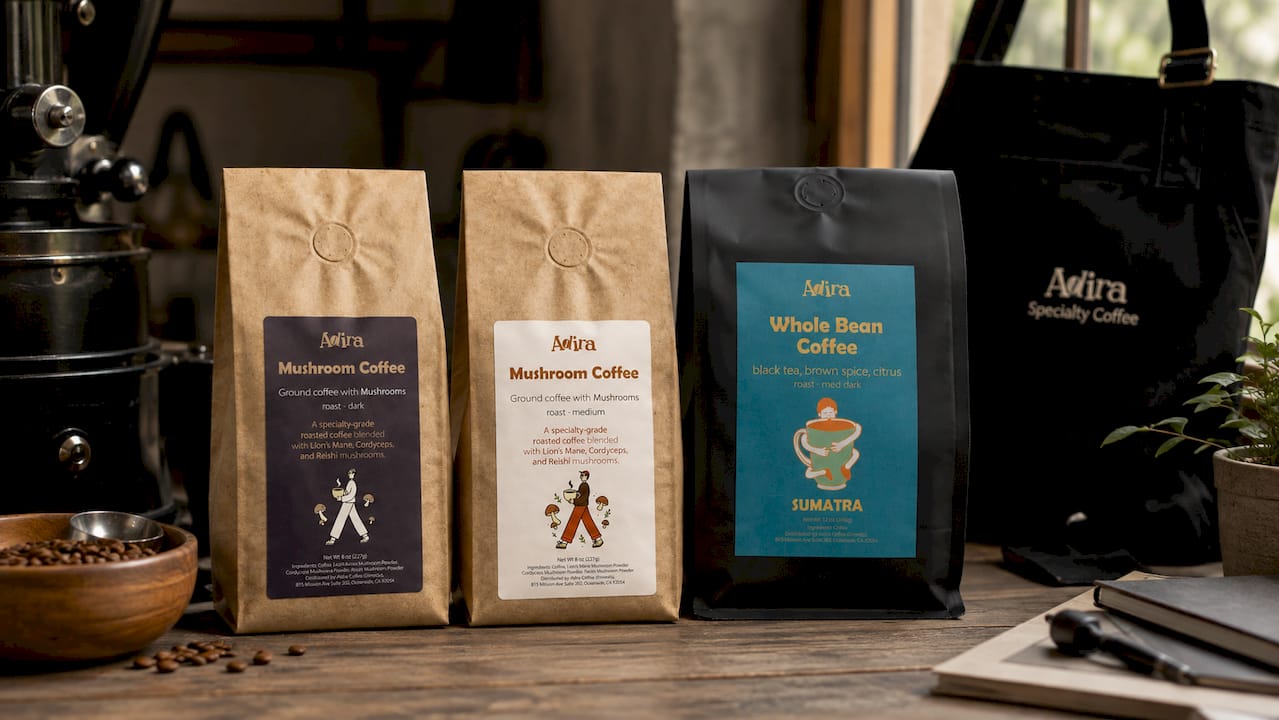
Start with a single bag if you want to taste it as a straight pour-over, or add it to a subscription for 10% savings and free shipping on US orders over $35 if it becomes a regular. Want to see how that heavy body performs under pressure? Brew it as a cold brew concentrate, or ask us for an espresso-ratio starting point when you order. Head to the Sumatra product page to pick your format and get a bag roasted specifically for how you brew.
Sources
Stefan co-founded Adira Coffee after moving to the United States from Bulgaria and finding nothing on supermarket shelves worth a second cup. Sourcing wet-hulled Sumatra changed that expectation for us more than any other origin.
We work with mills that can tell us the moisture reading at hulling and show a clean sorting pass afterward. Anything less makes cupping consistency impossible from bag to bag.
On the roast side, we pull the charge slightly higher and watch first crack closely, since wet-hulled beans compress the curve faster than a washed Colombia or a natural Ethiopia ever would. Our Sumatra usually lands in customers’ cups as a straight single-origin pour-over or a base for house espresso blends where that heavy body earns its place.
- Washed vs wet-hulled coffee: How the two processes differ - FNB Coffee
- Specialtycoffee
- Wet Hulling (Giling Basah) — BrewFYI