
Most coffee lovers assume the best beans come from distant farms in Ethiopia or Colombia. California challenges that assumption at every level. The state didn’t just build a culture around great coffee—it invented the standards the rest of the country follows. From pioneering the second and third waves of U.S. specialty coffee through roasters like Peet’s Coffee and Blue Bottle Coffee, to now growing premium beans in its own backyard, California is rewriting what it means to be a coffee destination. This is the full story.
Table of Contents
- California’s coffee legacy: Pioneering waves and roasting standards
- Coffee cultivation in Southern California: The new frontier
- Innovative drinks and processing: California’s trendsetting experimentation
- Balancing tradition and innovation: The fourth wave and California’s evolving standards
- Explore California-inspired coffee with Adira Coffee
- Frequently asked questions
Key Takeaways
| Point | Details |
|---|---|
| California pioneered specialty coffee | Peet’s and Blue Bottle set the standards for roasting and culture, inspiring national and global trends. |
| Local coffee cultivation is rising | Southern California now produces premium specialty beans, making the state a unique origin. |
| Innovation drives inclusiveness | Bay Area coffee shops expand flavor and drink options, welcoming new consumers while challenging traditionalists. |
| Tradition and sustainability matter | Fourth wave coffee blends heritage methods with eco-friendly practices and new technology. |
| Experience California coffee locally | Seek fresh, locally roasted beans and creative drinks for a true taste of California’s coffee culture. |
California’s coffee legacy: Pioneering waves and roasting standards
Understanding California’s roots in specialty coffee sets the stage for why the state continues to drive the culture forward. The story starts in Berkeley in 1966, when Alfred Peet opened the first Peet’s Coffee location. He brought European roasting techniques to America, favoring darker, richer roasts and sourcing beans with intention. The Peet’s Coffee influence was so strong it directly inspired the founders of Starbucks, essentially launching the second wave of American coffee culture.
Then came the third wave. In 2005, Blue Bottle Coffee opened in Oakland and shifted the conversation entirely. Instead of dark roasts and volume, Blue Bottle focused on single-origin beans, precise brewing, and serving coffee within 48 hours of roasting. Freshness became a value, not just a preference. That philosophy now shapes how specialty roasters across the country operate, including how we approach every small batch at Adira Coffee.
Here’s what California’s roasting pioneers actually changed:
- Sourcing standards: Buyers began demanding traceability and farm relationships, not just commodity lots
- Roast philosophy: Lighter roasts that highlight origin character became a mark of quality
- Consumer expectations: Californians started asking where their coffee came from before it was common anywhere else
- Freshness as a metric: The 48-hour roast-to-cup window Blue Bottle championed became an industry benchmark
If you want to understand why local roasted coffee ethics matter so much today, trace it back to these California roots. The state didn’t just participate in the specialty coffee movement. It built the framework everyone else followed. Exploring coffee roaster alternatives today shows just how many brands have adopted this California-born philosophy. When you browse any serious coffee bean selection, you’re looking at a market shaped by what happened in Berkeley and Oakland decades ago.
Coffee cultivation in Southern California: The new frontier
California’s coffee legacy isn’t limited to roasting—it’s now expanding to cultivation, reimagining what local means for the coffee industry. For most of coffee’s history, the crop required tropical climates near the equator. Southern California, with its coastal microclimates and long dry seasons, was never part of that conversation. That’s changing fast.
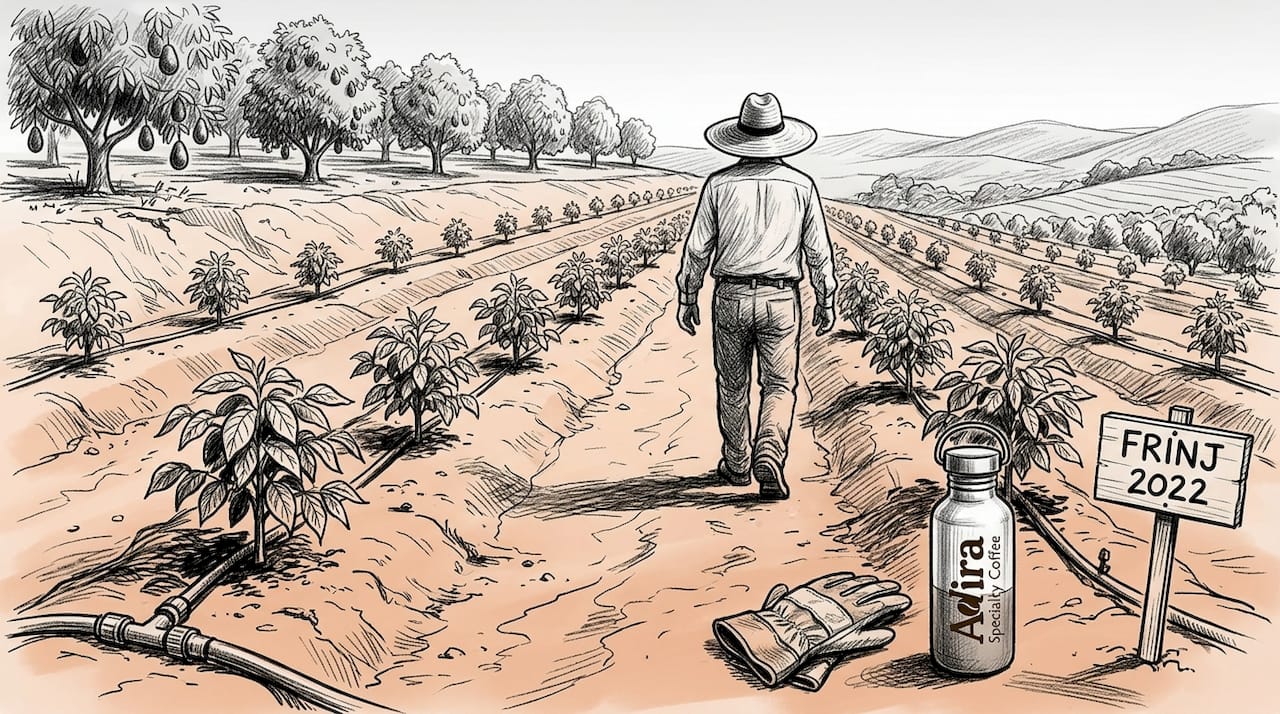
Today, 65 to 70 farms across Southern California grow specialty coffee, led by FRINJ Coffee, which has become the anchor of what some are calling the “Napa of Coffee.” Bags from these farms sell anywhere from $15 to $125, reflecting the premium nature of what’s being produced. The microclimates along the coast allow for a slow, 10 to 12 month maturation period for coffee cherries, which develops complex flavor profiles you simply can’t rush.
| Metric | Current status |
|---|---|
| Active farms | 65 to 70 farms in Southern California |
| Price range per bag | $15 to $125 |
| Cherry maturation period | 10 to 12 months |
| Trees planted | 100,000+ and growing |
| Expected yield increase | 6 to 8 times current production |
Production is expected to increase 6 to 8 times as more trees mature, with over 100,000 trees already in the ground. That’s not a hobby project. That’s an emerging agricultural sector.
Pro Tip: When shopping for specialty beans, look for “locally grown California” on the label. These beans are often harvested with more care and shorter supply chains, which means better freshness and more resilience to climate-related disruptions in traditional growing regions.
What makes California-grown coffee especially interesting is the sustainability angle. Farms here are experimenting with water-efficient processing, shade-grown methods, and organic practices from day one. Compare that to the Costa Rica specialty coffee or Colombia specialty coffee traditions, and you see a new model forming: high-quality, climate-conscious, and grown closer to home.
- Microclimate advantage: Coastal fog and temperature swings slow cherry development, concentrating sugars
- Sustainability focus: New farms adopt regenerative practices from the start
- Premium positioning: California-grown coffee commands prices comparable to top-tier imports
- Short supply chains: Less time between harvest and roaster means fresher cups
Innovative drinks and processing: California’s trendsetting experimentation
Just as cultivation is redefining local coffee, innovation in drinks and processing is expanding cultural boundaries—even as it draws controversy. The Bay Area has always been a place where food culture gets pushed to its limits. Coffee is no exception.
Co-ferments are one of the most talked-about developments. These are beans processed with added fruit or other fermentable ingredients, producing flavors that taste like strawberry, watermelon, or tropical fruit. Alongside co-ferments, Bay Area cafes have introduced drinks like ube lattes, cream cloud lattes, and even wasabi lattes. These aren’t gimmicks to the people making them. They’re experiments in expanding who feels welcome in a coffee shop.
| Approach | Methods used | Flavor impact | Audience appeal |
|---|---|---|---|
| Purist | Single origin, minimal processing, precise extraction | Highlights terroir and natural bean character | Experienced specialty drinkers |
| Maximalist | Co-ferments, added flavors, creative milk bases | Bold, fruit-forward, dessert-like | New consumers and adventurous drinkers |
Here are the key innovative drinks that have exploded in Bay Area coffee culture:
- Fruit coffee: Brewed coffee blended with fresh or fermented fruit, often cold-served
- Ube latte: Espresso with ube (purple yam) syrup and steamed milk, drawing from Filipino food culture
- Cream cloud latte: Espresso topped with a thick, whipped cream layer that slowly dissolves into the drink
- Wasabi latte: A sharp, savory twist on the classic latte that challenges every expectation
- Co-ferment pour-overs: Single-origin beans processed with fruit to produce wine-like or tropical flavor notes
“The tension between purists and maximalists isn’t a problem to solve—it’s a sign that coffee culture is alive. Purists argue that heavy flavoring masks what makes a great bean great. Proponents see maximalist drinks as the entry point that brings new people into specialty coffee. Both are right.”
At Adira Coffee, we see this tension as an opportunity. Our Love Blend and Ocean Blend are crafted to be approachable without sacrificing origin character. And our Cold Brew is a nod to the innovation-forward California palate. If you want to understand how freshness fits into all of this, our guide on fresh coffee delivery breaks it down clearly.
Balancing tradition and innovation: The fourth wave and California’s evolving standards
Pulling together tradition and experimentation, California is setting the stage for the next evolution in coffee culture. The fourth wave isn’t a rejection of what came before. It’s an integration. Sustainability, technology, inclusivity, and craft are all part of the same conversation now, and California is leading it.
Here’s how fourth wave values are showing up in practice:
- Sustainability: Farms and roasters prioritizing carbon-neutral operations and ethical sourcing
- Technology: Precision roasting software, AI-assisted brewing profiles, and direct-to-consumer freshness tracking
- Inclusivity: Menus and spaces designed to welcome people who don’t already know what a “third wave” is
- Tradition: Heritage roasters holding the line on craft and quality as a counterbalance to novelty
- Transparency: Full traceability from farm to cup, with roasters publishing sourcing data openly
That last point matters more than people realize. Graffeo Coffee, founded in 1935 in San Francisco’s North Beach neighborhood, still roasts using traditional Italian methods. It’s one of the oldest continuously operating coffee roasters in the country. Its presence alongside cutting-edge Bay Area cafes isn’t a contradiction. It’s proof that California’s coffee culture has room for both.
Pro Tip: To really appreciate what California has built in coffee, don’t just visit the trendiest new cafe. Find a traditional roaster too. Tasting both in the same week gives you the full picture of what the fourth wave actually means.
California’s role blends pioneering roasting standards, emerging local production, and relentless experimentation into a model that other cities and countries are now studying. The benefits of buying local coffee are clearest when you understand this full arc. At Adira Coffee, we built our brand on exactly these principles: freshness, ethics, and a deep respect for where coffee comes from.
Explore California-inspired coffee with Adira Coffee
California’s coffee story is one of constant reinvention, from the Berkeley roasters who changed national tastes to the Southern California farms now producing world-class beans. At Adira Coffee, we’ve built our entire approach around the values this state pioneered: freshness, ethical sourcing, and small-batch roasting that honors the bean. Every order ships at peak flavor, because that’s what California coffee culture taught us to expect.
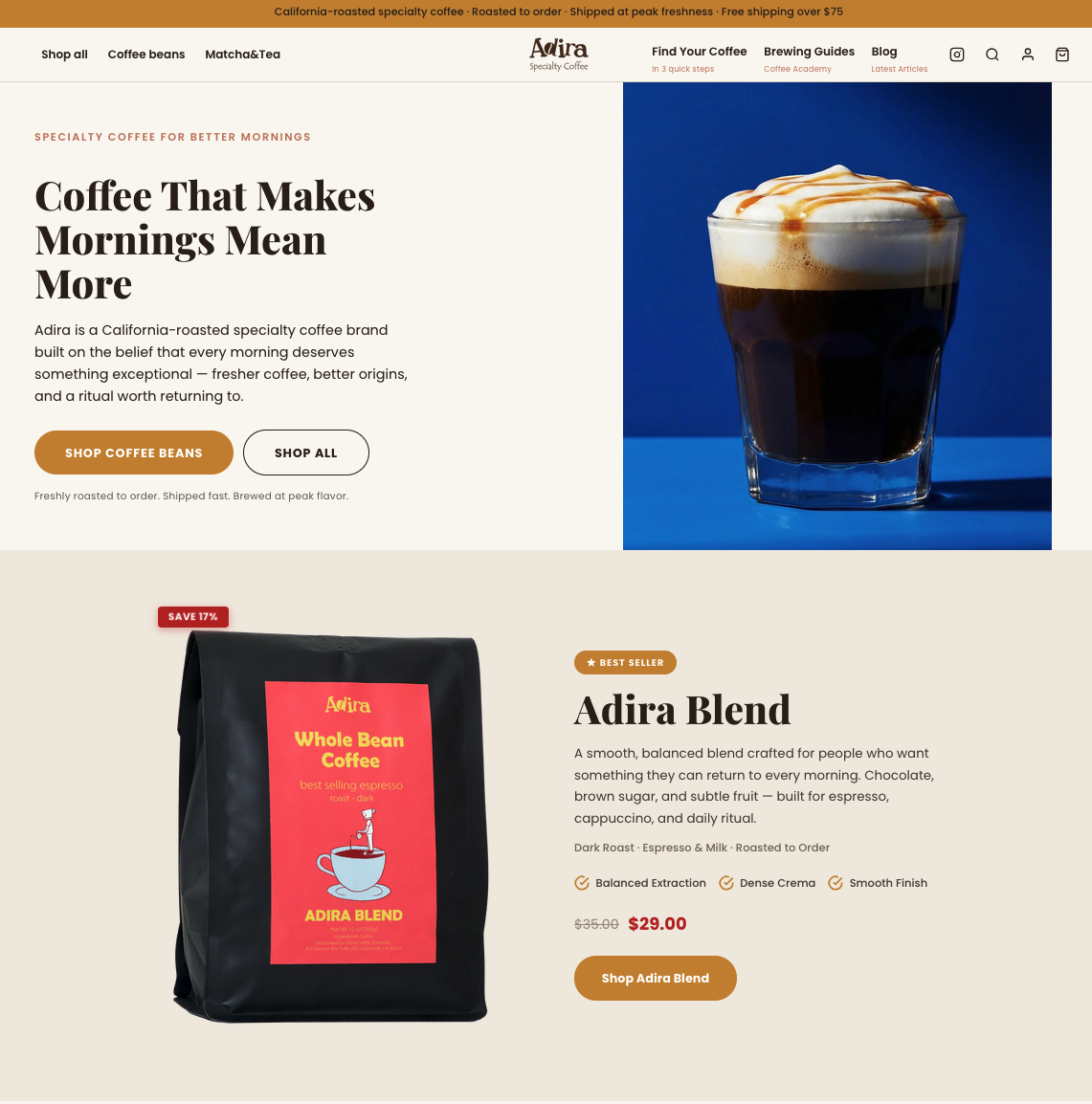
Whether you’re drawn to the clean complexity of a single-origin pour-over or the bold approachability of a well-crafted blend, Adira Coffee has something roasted for you. Browse our full coffee beans collection to find your next favorite, or try our cold brew for a California-style experience you can enjoy any time of day. Fresh, intentional, and rooted in a state that never stopped pushing coffee forward.
Frequently asked questions
How did California influence the specialty coffee movement?
California set the roasting and sourcing standards that defined modern specialty coffee. Peet’s Coffee inspired Starbucks and launched the second wave, while Blue Bottle introduced the single-origin, freshness-first philosophy that defines the third wave.
Is coffee grown in California really considered specialty grade?
Yes. Southern California farms, led by FRINJ Coffee, produce premium specialty beans using coastal microclimates that allow for slow, complex cherry development over 10 to 12 months.
What are Bay Area coffee shops known for?
Bay Area cafes are known for radical experimentation. Co-ferments and maximalist drinks like ube lattes, fruit coffees, and cream cloud lattes have put the region at the center of global coffee innovation.
What is the fourth wave in coffee culture?
The fourth wave blends sustainability, technology, and tradition into a more inclusive and transparent coffee culture, with California roasters and farms leading the shift.
How can consumers experience California-style coffee?
Seek out locally roasted beans, explore innovative drink menus, and look for California-inspired brands that prioritize freshness and ethical sourcing, like Adira Coffee.