
If your espresso tastes bitter, treat it as over-extraction first and change one thing: grind coarser by a notch or two, then pull a timed test shot. Bitterness almost always means water spent too long pulling too much out of the grounds.
Run this quick check before anything else:
- Grind: Is your shot pulling past 30 to 35 seconds? That’s your first suspect.
- Beans: Roasted more than four to six weeks ago? Staleness amplifies harsh flavors.
- One variable only: Adjust grind alone, then taste. Don’t touch dose, tamp, and temperature all at once.
Key Takeaways
Bitter espresso is almost always over-extraction, and grind size, yield, temperature, and clean equipment are the four levers that fix it in that order.
| Point | Details |
|---|---|
| Start with grind | Coarsen 1 to 3 steps if your shot runs past 35 seconds or tastes ashy. |
| Change one variable | Test grind, then yield, then temperature separately, never all at once. |
| Fix the puck | Weigh your dose, leave 2 to 3 mm headspace, and distribute before tamping. |
| Clean weekly | Backflush and clean burrs monthly to remove rancid oil buildup. |
| Rule out stale beans | Swap in a fresh Adiracoffee medium roast to isolate bean issues from technique. |
Table of Contents
- How Do You Know If It’s Really Bitterness and Not Something Else?
- Primary Fixes: Grind Size and Dose-to-Yield Ratio
- When Should You Adjust Your Brew Temperature?
- Does Your Puck Prep Cause Uneven Extraction?
- What Equipment and Maintenance Issues Cause Bitterness?
- Are Your Beans the Real Problem?
- What’s the Fastest Way to Troubleshoot a Bitter Shot?
- Quick Salvage Moves for a Shot You Already Pulled
- How Should You Track Progress Between Test Shots?
- Ready to Rule Out Bad Beans From Your Recipe?
- Frequently Asked Questions
- Sources
How Do You Know If It’s Really Bitterness and Not Something Else?
True bitterness feels drying and lingers on the back of your tongue, almost like biting into walnut skin. Sourness is different: sharp, immediate, and puckering at the front of your mouth. If you taste both at once, you’re likely dealing with channeling, where water finds a fast path through part of the puck while over-saturating the rest.
Watch your shot as it pulls. A stream that starts blonde and thin, or crema that turns pale and dies fast, points to over-extraction. Use this as a quick reference:
| Symptom | Likely cause | First check |
|---|---|---|
| Lingering, drying aftertaste | Over-extraction | Grind size, shot time |
| Sharp, sour bite up front | Under-extraction | Grind too coarse, dose too low |
| Sour and bitter together | Channeling | Distribution and tamp |
Primary Fixes: Grind Size and Dose-to-Yield Ratio
Grind size is your main lever. Finer grounds mean more surface area and slower flow, which lets water pull far more out of the coffee than it should. As a working rule, if your shot runs past 35 seconds or tastes flat-out bitter, coarsen the grind by one to three steps depending on how far off it is. A shot that’s merely edgy needs one step. One that tastes ashy and ran 45 seconds needs a bigger jump.
Extraction happens in stages: acids come out first, sugars next, bitter compounds last. Your goal is to stop the shot after the sweet stage and before the bitter one takes over, which is exactly what a coarser grind and a shorter dwell time accomplish.
Dose and yield matter just as much as grind. Here’s a starting reference for common basket sizes:
To test a fix properly, follow this order:
- Coarsen the grind by one step.
- Purge 3 to 5 grams of retained grounds from the chute before dosing.
- Pull the shot and time it from first drip to cutoff.
- Taste and record the result before making another change.
Pro Tip: Grinders hold old grounds in the chute and burr chamber. Skip the purge and you’ll taste yesterday’s setting mixed into today’s shot, which makes your test unreliable.
When Should You Adjust Your Brew Temperature?
If your grind and timing look correct but the shot still tastes scorched, temperature is probably the culprit. Higher water temperature pulls bitter compounds out faster, which is why dark roasts (already more soluble) get hit hardest by machines running hot.
- Dark roasts: 195–198°F (90–92°C)
- Medium roasts: 200–203°F (93–95°C)
- Light roasts: upper end of that range, sometimes slightly above
Change temperature in 2°F increments and test one shift at a time. Let your machine settle for a minute or two after steaming milk. Over-extraction research consistently ranks temperature as a secondary control, useful once grind and yield are already close.
Does Your Puck Prep Cause Uneven Extraction?
A heavy-handed tamp doesn’t fix a messy puck. Poor distribution creates soft spots where water rushes through fast while other areas over-extract, which is why you can taste sour and bitter in the same sip.
| Basket size | Typical dose | If channeling appears |
|---|---|---|
| Single (7g) | 7 g | Reduce dose slightly, redistribute |
| Double | 16–— | Check headspace, redistribute |
| Triple | 20–— | Use WDT tool before tamping |
- Weigh your dose every time. Guessing by scoop invites inconsistency.
- Maintain a slight headspace above the puck before tamping to allow proper water flow.
- Use a WDT tool or a few gentle taps to break up clumps before leveling.
- Tamp level and firm, not crushing. Excess force doesn’t improve extraction.
What Equipment and Maintenance Issues Cause Bitterness?
Rancid oil buildup and worn burrs cause slow, bitter shots even when your recipe hasn’t changed. A daily wipe of the steam wand and portafilter basket keeps oils from going rancid between sessions.
- Daily: wipe steam wand, rinse portafilter.
- Weekly: backflush with a cleaning detergent, wipe shower screen.
- Monthly: deep clean grinder burrs and check for chips or wear.
Cheap or worn grinders produce inconsistent particle sizes, which means excess fines choke flow and over-extract even at a “correct” setting. If your machine badge shows unusually slow shots at a normal grind number, suspect the burrs before blaming your technique. Hard water compounds the problem: test your water’s TDS and hardness, use filtered or formulated espresso water, and descale on a schedule if you’re in a hard-water region.
Are Your Beans the Real Problem?
Sometimes the fix isn’t your technique at all. Dark roasts extract faster and carry more surface oil, so they need a coarser grind and shorter shot time than a medium roast right out of the gate. If you’re using dark beans with a medium-roast recipe, that mismatch alone can read as bitterness.
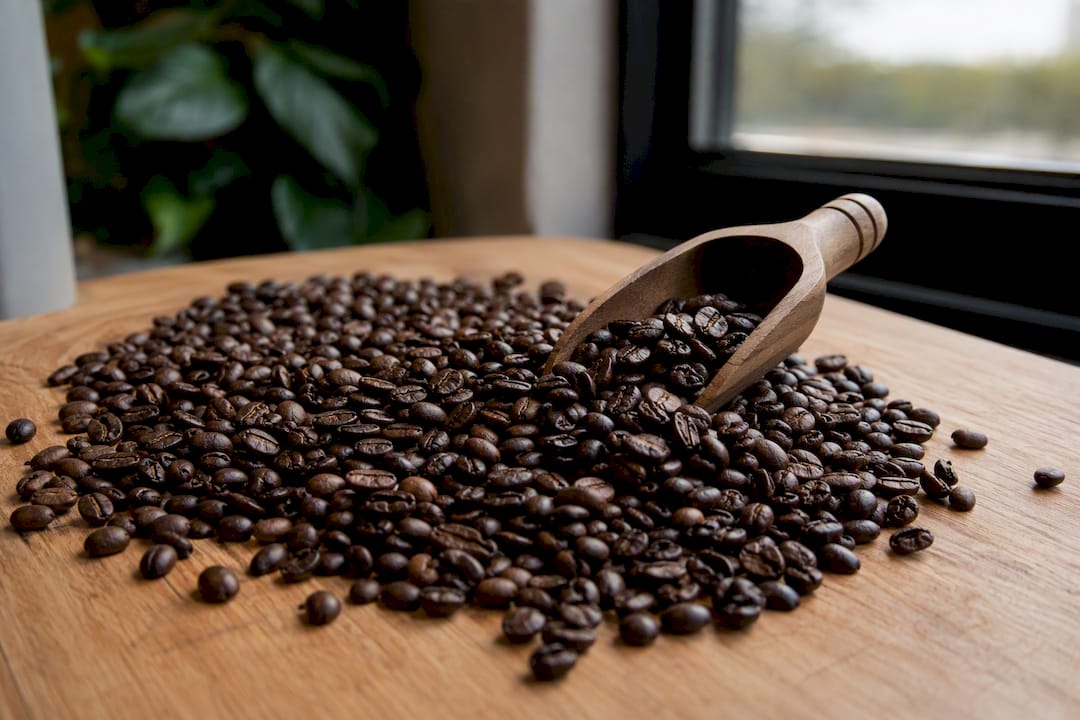
Freshness matters just as much. Espresso tastes best roughly 7 to 21 days after roasting, and shots pulled from beans older than four to six weeks tend to taste flat and harsh no matter how well you dial in. If you suspect the beans, run an A/B test: keep your machine settings identical and swap in a known-fresh bag, like a medium roast or an Ethiopian natural, to isolate whether the problem is parameters or the coffee itself.
What’s the Fastest Way to Troubleshoot a Bitter Shot?
Run this sequence in order, changing only one variable at a time:
- Check roast date. Older than six weeks? Swap beans before testing anything else.
- Check grind and shot time. Over 35 seconds means grind coarser.
- Adjust grind one to three steps coarser based on severity.
- Still bitter? Reduce yield slightly instead of grinding further.
- Still bitter? Lower brew temperature by 2 to 4°F.
- Check puck prep: distribution, headspace, and tamp level.
- Clean the group head and portafilter if none of the above resolves it.
Log every test using this format:
- Dose (g), grind setting, yield (g), time (sec), temp (°F), tasting notes.
Small, marginal bitterness after a few adjustments might just be your bean’s natural profile. Persistent, sharp bitterness despite proper grind, yield, and temperature usually points back to stale beans or dirty equipment.
What Does the Science Say About Using Salt as a Fix?
Sodium ions genuinely suppress how bitter receptors on your tongue respond to bitter compounds, which is why a tiny pinch of salt can make a harsh shot taste smoother without changing anything about the coffee itself.
Adding a small amount of salt doesn’t remove bitter compounds. It changes how your brain reads the signal, dampening the bitter perception through what food scientists call cross-modal suppression.
- Use a pinch only in an emergency or for non-specialty drinking, not as your default fix.
- It masks the problem; it does not correct over-extraction.
Quick Salvage Moves for a Shot You Already Pulled
If you need to drink it now:
- Stretch it into an Americano with hot water.
- Add steamed milk to round out the edge.
- A tiny pinch of salt can take the harshest edge off.
None of these fix extraction. Write down your parameters, then pull a fresh test shot with an actual adjustment next time.
How Should You Track Progress Between Test Shots?
Change one variable, pull the shot, and log dose, grind, yield, time, and taste notes before touching anything else. Compare each result to the run before it rather than to your memory of “good” espresso from last week.
Two or three tests per session is plenty. More than that and fatigue skews your palate. If results swing wildly between otherwise identical settings, suspect grinder inconsistency or a bean batch change rather than your own technique. Purge the grinder and let the machine’s temperature stabilize between every test.
A Small-Batch Roaster’s Notes on Fixing Bitterness
Most bitter shots I hear about from customers trace back to one of two things: grind that’s too fine for the roast, or beans that sat around longer than anyone wants to admit. We build baseline recipes by roast level for exactly this reason, because a dark roast and a light roast should never share the same grind setting or shot time. Recording your parameters every time you dial in isn’t busywork. It’s the only way to tell whether the bean changed or your technique did. and
Ready to Rule Out Bad Beans From Your Recipe?
Freshness fixes more bitter espresso than any grinder tweak ever will, and roast date is the one variable most home baristas can’t control with a supermarket bag. Adiracoffee roasts to order in California and ships within days, so the bean you’re testing against isn’t already three weeks stale before it reaches your grinder.
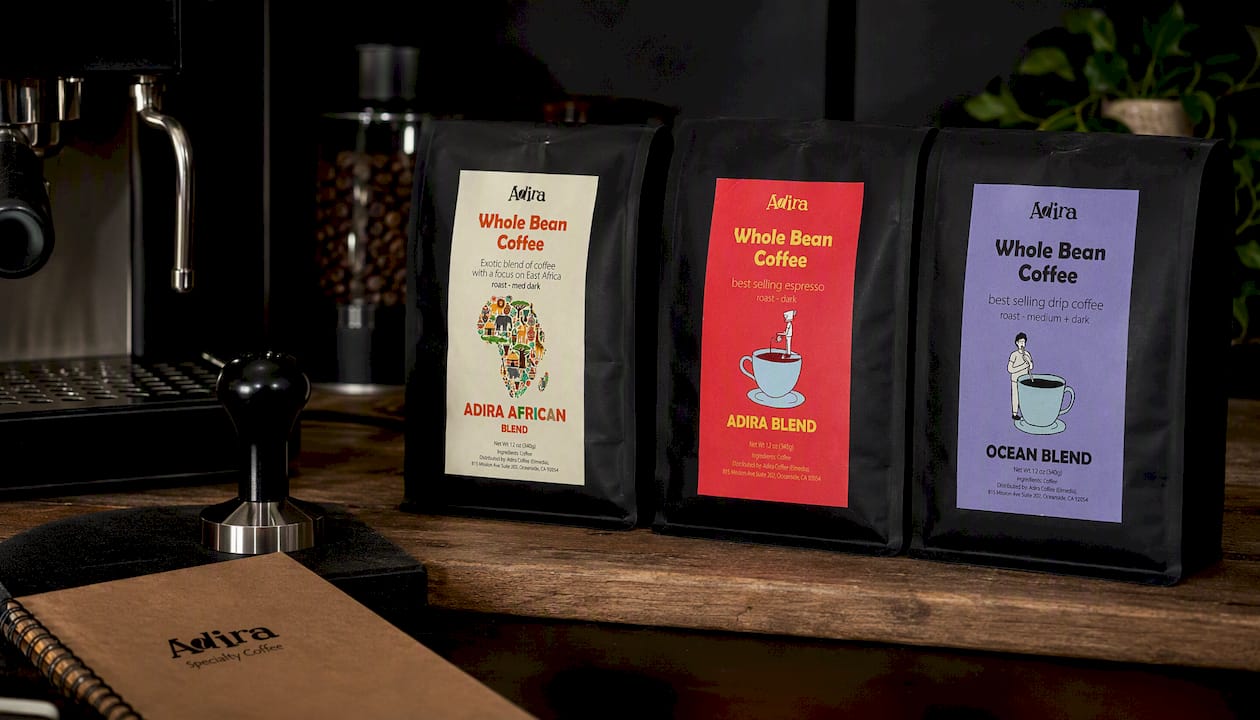
Start your A/B test with the Mushroom Coffee Medium Roast as a neutral baseline, or try the Love Blend if you want a consistent espresso profile to dial recipes against week to week. Curious how origin changes the bitterness curve? Compare a batch of Ethiopia - Natural against Sumatra using the same grind and time settings. For a deeper technical walkthrough beyond this guide, read Adira’s espresso flavor troubleshooting post. Order a roast-dated bag today or start a subscription to keep a fresh baseline on hand for every future dial-in.
Frequently Asked Questions
Why does my espresso taste bitter even when the shot time looks right? Your grind may still be too fine for your basket, or your water temperature is running hot for the roast. Check temperature next if timing checks out.
How much should I coarsen the grind to fix bitterness? Start with one step for mild bitterness, up to three steps if your shot ran well past 35 seconds. Test one change at a time.
Can stale beans cause bitterness even with perfect technique? Yes. Beans older than four to six weeks past roast often taste flat and harsh regardless of dial-in, which is why a freshness swap is worth testing early.
Does adding salt actually fix bitter espresso? It suppresses how bitter the shot tastes to you, but it doesn’t correct the over-extraction causing it. Use it as a stopgap, not a solution.
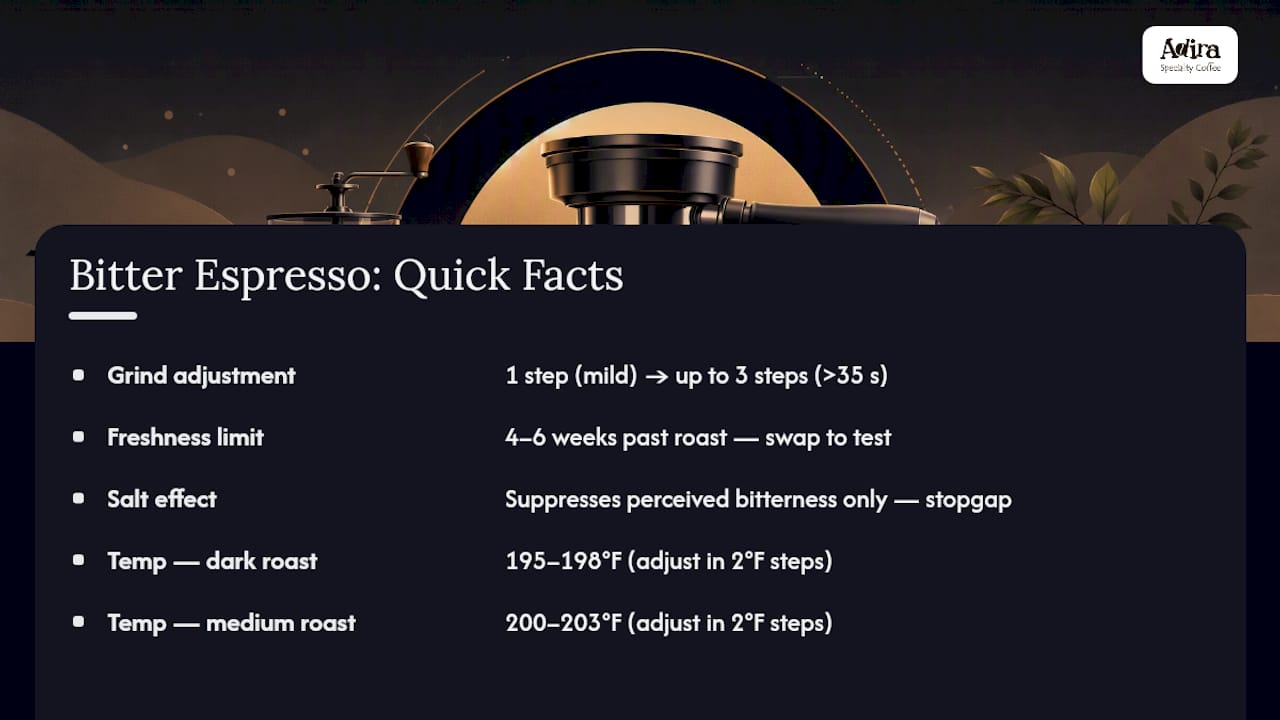
What’s the ideal water temperature range to avoid bitterness? Roughly 195–198°F for dark roasts and 200–203°F for medium roasts, adjusted in small 2°F steps while testing.
Sources
- Over-extracted espresso: fixes — Complete Home Barista
- Espresso extraction explained — Better Coffee Lab
- Espresso troubleshooting: fix sour & bitter — Espresso Advice
- Exploring the science behind adding salt to coffee — Perfect Daily Grind