

Medium roast coffee often gets dismissed as the middle ground option, neither bold nor delicate. This misconception overlooks its unique qualities that make it a favorite among specialty coffee enthusiasts and home baristas. Medium roast actually delivers a sophisticated balance of origin flavors, body, and acidity that showcases the bean’s natural character while softening harsh edges. This guide explains what medium roast coffee truly is, how it’s roasted, where the best beans originate, and how to brew it perfectly at home. You’ll discover why this roast level has earned its place in specialty coffee culture and learn practical techniques to maximize flavor in every cup.
Table of Contents
- Key takeaways
- Understanding medium roast coffee: roasting level and flavor
- Where medium roast coffee beans come from and their origins
- How to grind and brew medium roast coffee for best results
- Comparing medium roast to light and dark roasts
- Explore premium medium roast coffee at Adira Coffee
- Frequently asked questions about medium roast coffee
Key Takeaways
| Point | Details |
|---|---|
| Roast temperature range | Medium roast is roasted to about 410 to 430 degrees Fahrenheit, creating a balance between development and origin flavors. |
| Balanced flavor profile | The roasting window yields sweetness from caramelized sugars while preserving acids for brightness and a rounded mouthfeel. |
| Origin flavors expressed | Medium roast highlights a bean’s origin characteristics such as floral and fruity notes from Ethiopian beans and chocolate or nutty profiles from Colombian beans. |
| Fresh beans preserve flavor | Freshly roasted whole beans retain more volatile aromas and flavors, making the cup tastier than preground or stale beans. |
Understanding medium roast coffee: roasting level and flavor
The defining characteristic of medium roast coffee is roasted to an internal bean temperature of about 410-430°F (210-221°C), resulting in a balanced flavor profile. This temperature range sits between the first and second crack during roasting, a critical window where beans develop complexity without losing origin characteristics. At this stage, beans turn medium brown with a dry surface, unlike dark roasts that show visible oil.
The chemical changes during medium roasting create a sweet spot for flavor development. Sugars caramelize enough to add sweetness and body, but acids remain present to provide brightness. The Maillard reaction produces hundreds of flavor compounds that give medium roast its signature taste. You’ll notice a balance between the bean’s inherent qualities and roasting flavors.
Common flavor descriptors for medium roast include nutty, caramel, chocolate, toasted grain, and subtle fruit notes. The medium roast coffee flavor profile varies by origin, but all share a rounded mouthfeel and moderate acidity. Ethiopian beans might show berry notes, while Colombian beans lean toward chocolate and nuts.
The roasting process affects acidity levels significantly. Medium roast preserves enough organic acids to create a lively cup without the sharp bite of light roasts. The body develops more fully than lighter roasts, giving you a satisfying weight on your palate. This balance makes medium roast approachable for newcomers while offering complexity that experienced coffee drinkers appreciate.
Pro Tip: Choose medium roast when you want to taste the bean’s origin character while enjoying a smooth, balanced cup. This roast level showcases terroir without overwhelming your palate with roasting flavors or harsh acidity.
Key flavor elements in medium roast coffee:
- Balanced acidity that brightens without dominating
- Caramelized sugars creating natural sweetness
- Moderate body with smooth mouthfeel
- Origin flavors clearly expressed
- Reduced bitterness compared to darker roasts
Where medium roast coffee beans come from and their origins
Medium roast coffees often come from single origin beans that preserve unique regional flavors. Single origin means beans come from one specific region, farm, or cooperative rather than being blended from multiple sources. This traceability matters because terroir influences flavor dramatically, and medium roasting lets those regional characteristics shine through.
Ethiopia produces beans with floral, fruity, and wine-like qualities that medium roasting preserves beautifully. The birthplace of coffee offers complex flavor profiles that would be lost in darker roasts. Colombian and Ethiopian beans are popular choices for medium roast coffee due to their complex flavor profiles. Colombian beans bring chocolate, caramel, and nutty notes with balanced acidity, making them ideal for this roast level.
Bean variety and processing method also shape the final cup. Arabica beans dominate specialty medium roasts because they offer more nuanced flavors than Robusta. Processing methods like washed, natural, or honey affect acidity and body. Washed coffees tend toward cleaner, brighter profiles, while natural processed beans add fruit-forward sweetness.
The elevation where beans grow impacts density and flavor development. Higher altitude beans grow slower, developing more complex sugars and acids. Medium roasting these dense beans reveals layered flavors that unfold as the coffee cools. Lower elevation beans can taste flat or one-dimensional even with careful roasting.
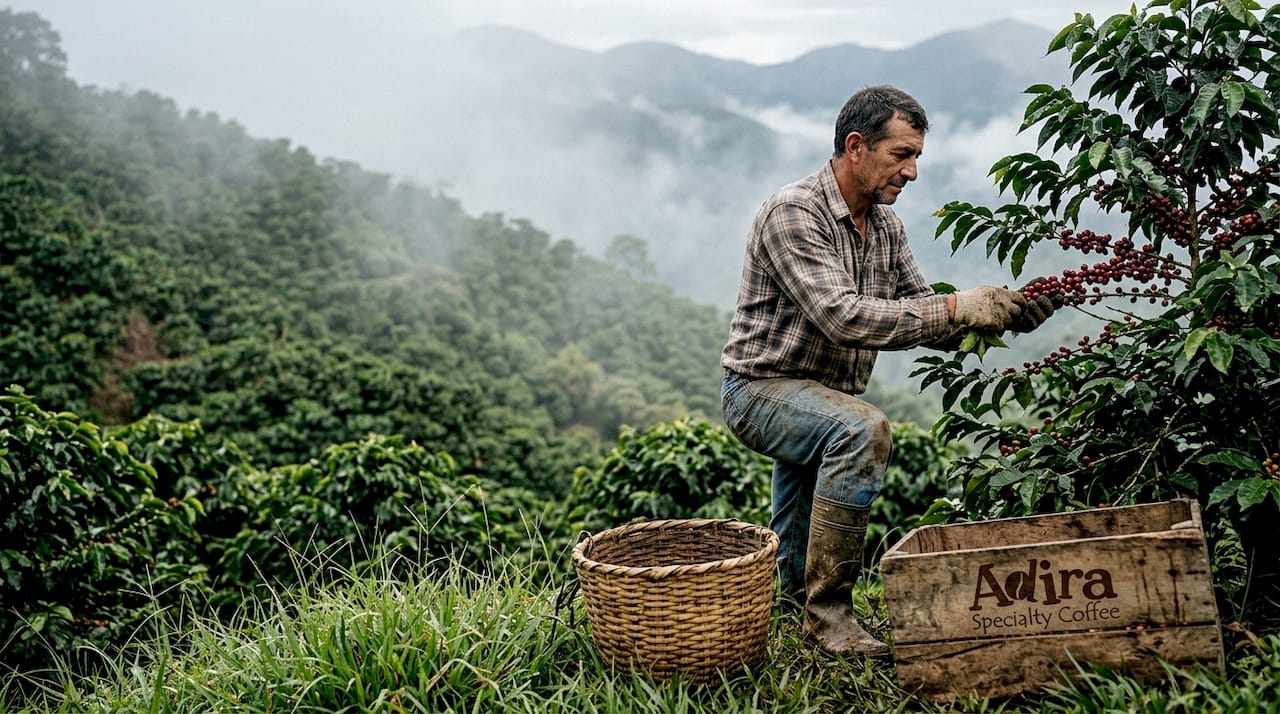
Small batch roasting ensures beans reach their peak freshness when they arrive at your door. Large commercial roasters often sit in warehouses for months, losing volatile flavor compounds. Specialty roasters like Adira Coffee roast to order, preserving the aromatics and taste that make Colombian medium roast beans exceptional.
Advantages of specialty medium roast over mass-produced options:
- Traceability to specific farms and regions
- Fresher beans with intact flavor compounds
- Higher quality Arabica varieties
- Careful roasting that highlights origin characteristics
- Ethical sourcing with direct farm relationships
Choosing beans from reputable origins and roasters makes a dramatic difference in your cup quality. The single origin coffee guide explains how origin impacts flavor and why it matters for medium roast coffee specifically.
How to grind and brew medium roast coffee for best results
Proper grinding and brewing methods are key to unlocking the full flavor of medium roast coffee. The grind size you choose must match your brewing method to achieve proper extraction. Too fine creates bitterness and over-extraction, while too coarse results in weak, sour coffee. Medium roast’s balanced flavor profile rewards precise brewing.
Step-by-step grinding and brewing guide:
- Buy whole beans and grind immediately before brewing for maximum freshness and aroma
- Match grind size to your brewing method using the table below as reference
- Use filtered water heated to 195-205°F for optimal extraction
- Measure coffee using a 1:16 ratio (1 gram coffee to 16 grams water) as a starting point
- Adjust grind size, ratio, and brew time based on taste results
- Store remaining beans in an airtight container away from light and heat
| Brewing method | Grind size | Brew time | Flavor outcome |
|---|---|---|---|
| Pour-over | Medium-fine | 2.5-3.5 minutes | Clean, bright, highlights acidity and origin flavors |
| Drip coffee maker | Medium | 4-6 minutes | Balanced, smooth, easy drinking with good body |
| French press | Coarse | 4 minutes | Full-bodied, rich, emphasizes sweetness and mouthfeel |
| Espresso | Fine | 25-30 seconds | Concentrated, syrupy, intense flavor with crema |
| AeroPress | Medium-fine | 1.5-2 minutes | Versatile, clean or full-bodied depending on technique |
Pour-over methods like Chemex or V60 work exceptionally well with medium roast because they highlight clarity and complexity. The slower extraction brings out nuanced flavors without bitterness. Drip coffee makers offer convenience while still producing quality results if you use fresh beans and proper grind size.
French press creates a heavier body that showcases medium roast’s sweetness and chocolate notes. The immersion brewing extracts oils that paper filters would remove. Freshly ground whole beans yield richer, more complex cup profiles regardless of brewing method.
Water temperature affects extraction significantly. Too hot burns delicate flavors, while too cool under-extracts. Aim for 200°F as your target. Brew time varies by method, but all require attention to avoid over or under-extraction. Taste your coffee and adjust variables until you find your ideal cup.
Pro Tip: Grind beans right before brewing and store them in an opaque, airtight container at room temperature. Coffee stales rapidly after grinding, losing aromatic compounds within 15 minutes. Whole beans stay fresh for 2-3 weeks after roasting when stored properly.
Explore detailed brewing guides for medium roast and grinding tips for medium roast to refine your technique and discover new preparation methods.
Comparing medium roast to light and dark roasts
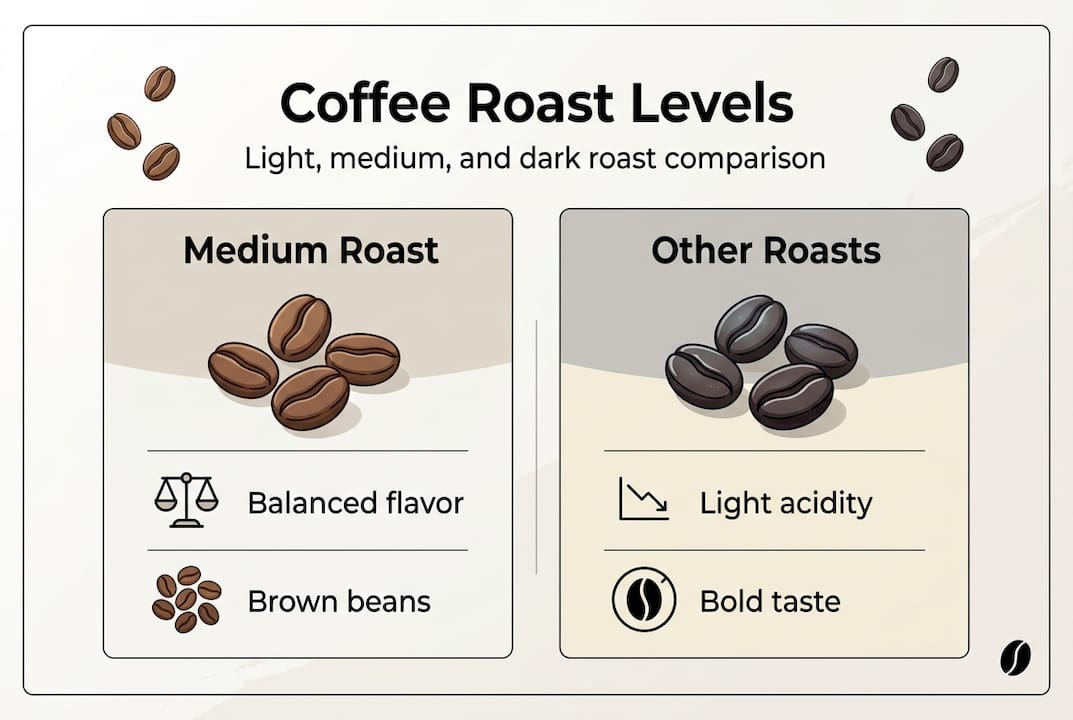
Medium roast strikes a balance with flavor clarity of light roasts and richer body of dark roasts. Understanding these differences helps you choose the right roast level for your taste preferences and brewing style. Each roast level offers distinct advantages depending on what you value in coffee.
| Roast level | Temperature range | Bean appearance | Acidity | Body | Flavor profile | Bitterness |
|---|---|---|---|---|---|---|
| Light roast | 356-401°F | Light brown, dry | High | Light | Bright, fruity, floral, tea-like | Minimal |
| Medium roast | 410-430°F | Medium brown, dry | Moderate | Medium | Balanced, caramel, chocolate, nutty | Low |
| Dark roast | 464-482°F | Dark brown to black, oily | Low | Heavy | Smoky, bitter, roasted, charred | High |
Light roasts preserve the most origin characteristics and caffeine content. The beans barely reach the first crack, maintaining high acidity and delicate flavors. Coffee enthusiasts who want to taste terroir prefer light roasts, but they can taste sour or underdeveloped to some palates. The thin body lacks the richness many coffee drinkers expect.
Dark roasts develop bold, smoky flavors that dominate origin characteristics. The extended roasting time caramelizes and burns sugars, creating bitter, charred notes. Surface oils appear as beans approach second crack. Dark roasts work well for espresso and milk-based drinks because the strong flavor cuts through dairy. However, you sacrifice the bean’s unique qualities for roasting flavors.
Medium roast occupies the sweet spot between these extremes. You get enough acidity to create brightness without sourness, and sufficient body without heaviness. The balanced profile makes medium roast versatile across brewing methods and palatable to a wide range of coffee drinkers.
Pros and cons of medium roast compared to other levels:
- Preserves more origin flavor than dark roast while offering more body than light roast
- Balanced acidity appeals to both casual drinkers and coffee enthusiasts
- Versatile across all brewing methods from espresso to cold brew
- Less polarizing than light or dark roasts, making it ideal for serving guests
- May lack the intense brightness light roast fans crave or the bold punch dark roast lovers prefer
Common myths suggest dark roast contains more caffeine or that light roast tastes weak. Actually, roasting level minimally affects caffeine content by weight. Light roasts can deliver intense, complex flavors that challenge your palate. Medium roast dispels the notion that it’s boring or generic when you use quality beans and proper brewing.
The coffee roast levels comparison explores these differences in greater depth and helps you identify which roast level matches your taste preferences and brewing habits.
Explore premium medium roast coffee at Adira Coffee
Now that you understand what makes medium roast coffee special, experience it with beans roasted specifically to highlight balanced flavor and origin character. Adira Coffee specializes in small-batch roasting that preserves freshness and brings out the best in every bean. Each batch is roasted to order, ensuring you receive coffee at its peak flavor window.
The specialty medium roast coffee beans collection features single origin options from Colombia, Ethiopia, and other renowned regions. These beans are sourced directly from farms that prioritize quality and sustainability. Whether you prefer fruity Ethiopian profiles or chocolatey Colombian notes, you’ll find medium roasts that showcase each origin’s unique terroir.
Try the Ocean Blend medium roast coffee for a carefully crafted combination that delivers consistency and complexity in every cup. This blend balances beans from multiple origins to create a smooth, approachable profile perfect for daily drinking. Visit Adira Coffee to explore the full range of medium roast options and discover your new favorite coffee.
Frequently asked questions about medium roast coffee
What temperature defines medium roast coffee?
Medium roast coffee reaches an internal bean temperature of 410-430°F during roasting. This range occurs between the first and second crack, producing medium brown beans with a dry surface and balanced flavor profile.
Is medium roast better than light or dark roast?
Medium roast offers a balance between origin flavor clarity and body that appeals to most coffee drinkers. It’s not objectively better, but provides versatility and approachability that light and dark roasts may lack depending on your taste preferences.
How soon should I use medium roast beans after roasting?
Use medium roast beans within 2-3 weeks of the roast date for optimal flavor. Coffee peaks 3-7 days after roasting as gases escape, then gradually loses aromatic compounds. Store beans properly in an airtight container to maximize freshness.
Can I use medium roast coffee for espresso?
Yes, medium roast works excellently for espresso when ground fine and extracted properly. It produces a balanced shot with sweetness, moderate acidity, and good crema. Many specialty cafes prefer medium roast espresso to highlight origin characteristics.
What brewing methods highlight medium roast flavors best?
Pour-over methods like V60 or Chemex showcase medium roast’s complexity and clarity. French press emphasizes body and sweetness. Drip coffee makers offer convenient, consistent results. Medium roast adapts well to any brewing method when you match grind size and extraction time properly.