
Making smooth, low-acidity cold brew at home can feel like guesswork without the right guidance. You might end up with bitter, over-extracted coffee or a weak, watery brew that doesn’t showcase the nuanced flavors of specialty beans. This article teaches a straightforward cold brew method using freshly roasted specialty beans, covering ideal grind size, coffee to water ratios, steep times, and practical tips to achieve consistently rich, balanced results every time you brew.
Table of Contents
- Key takeaways
- What you need: tools, beans, and ingredients
- Step by step cold brew brewing process
- Troubleshooting common mistakes and tips for best results
- Comparing cold brew methods and final results
- Explore specialty coffee beans and cold brew products
- Frequently asked questions
Key Takeaways
| Point | Details |
|---|---|
| Steep time window | Cold brew requires steeping coarse grounds in cold water for 12 to 18 hours to extract flavor while minimizing bitterness. |
| Ratios and strength | Start with a 1:6 coffee to water ratio as a versatile concentrate and adjust to taste, with concentrates typically 1:5 to 1:8 and ready to drink at 1:10 or higher. |
| Fresh beans matter | Use freshly roasted specialty beans within two to four weeks of roasting to capture full flavor and vibrancy. |
| Grind and water quality | Grind to a coarse sea salt texture using a burr grinder and use filtered water to minimize sediment and off flavors. |
| Temperature impact | Chilled steeping yields a cleaner, more balanced taste while shorter room temperature steeps can brighten acidity and fruity notes. |
What you need: tools, beans, and ingredients
Having introduced the basics, we now detail the necessary equipment and ingredients to start brewing. Setting up your cold brew station requires a few essential tools and thoughtful ingredient choices. You need a burr grinder for consistent particle size, a large jar or dedicated cold brew maker to hold your coffee and water, a fine mesh strainer or cheesecloth for filtering, a kitchen scale for precise measurements, and filtered water to avoid off flavors. These tools ensure you control every variable that affects extraction and taste.
Choose freshly roasted specialty beans with filtered water for best cold brew. When choosing coffee beans, consider roast level and origin. Medium dark roasts deliver chocolatey, caramel notes that work beautifully in milk based drinks. Light roasts highlight fruity, floral characteristics ideal for drinking black. Ethiopian naturals bring blueberry and wine like complexity, while Colombian beans offer balanced sweetness and nutty undertones. Freshness matters because coffee peaks in flavor within two to four weeks after roasting, so source beans roasted recently for maximum vibrancy.
Coffee to water ratios vary based on whether you want a concentrate or ready to drink cold brew. A typical concentrate uses a 1:5 to 1:8 ratio, meaning 100 grams of coffee to 500 to 800 grams of water. Ready to drink cold brew uses a 1:10 ratio or higher, producing a lighter brew you can enjoy straight from the fridge. Starting with a 1:6 ratio gives you a versatile concentrate that you can dilute to taste after brewing.
| Ratio | Coffee (grams) | Water (grams) | Result |
|---|---|---|---|
| 1:4 | 100 | 400 | Very strong concentrate |
| 1:6 | 100 | 600 | Balanced concentrate |
| 1:8 | 100 | 800 | Mild concentrate |
| 1:10 | 100 | 1000 | Ready to drink |
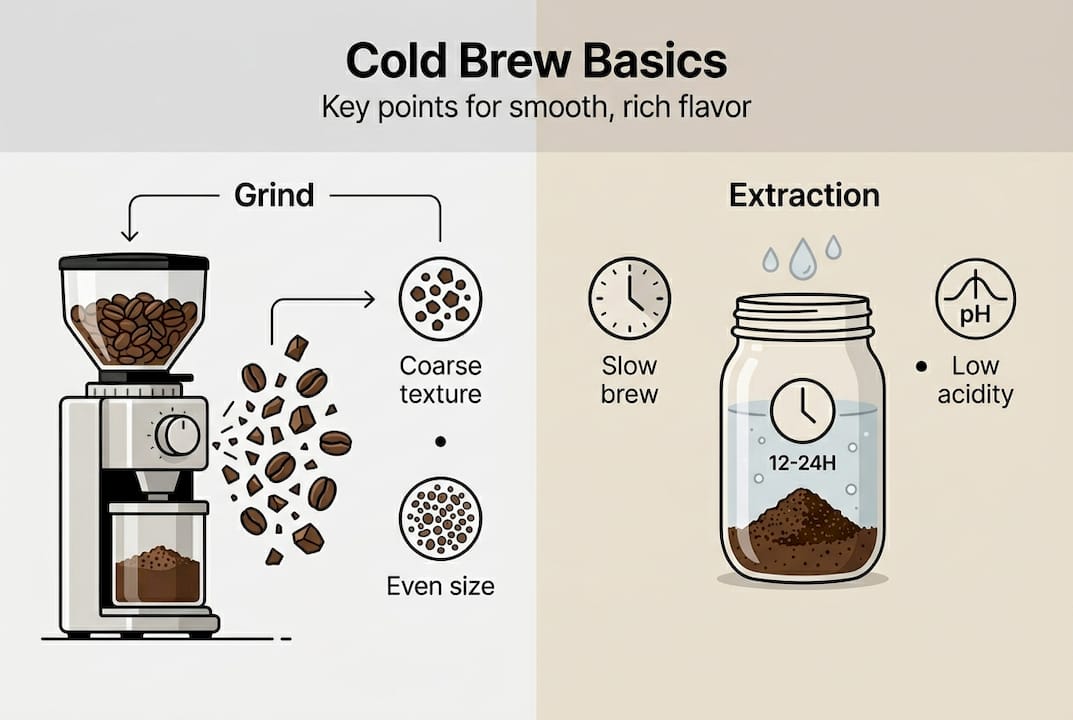
Grind texture plays a critical role in extraction. Use a coarse grind similar to sea salt to prevent over extraction and sediment. Burr grinders produce uniform particle size, which ensures even extraction and avoids the muddy texture that blade grinders create. Filtered water quality affects final flavor clarity because tap water with chlorine or mineral buildup can introduce unwanted tastes. Aim for clean, neutral water that lets the coffee’s natural flavors shine.
Pro Tip: Weigh your coffee and water instead of measuring by volume for repeatable results. A kitchen scale eliminates guesswork and helps you dial in your perfect ratio.
Step by step cold brew brewing process
With tools and ingredients ready, here’s the precise step by step method to brew cold brew coffee at home. This process emphasizes accuracy, proper extraction, and safe storage to deliver consistently delicious results.
-
Measure coffee and water by weight for accuracy. For a 1:6 ratio, use 100 grams of coffee to 600 grams of filtered water. Adjust quantities based on your container size and desired batch volume.
-
Grind the coffee to a coarse texture using a burr grinder. The grounds should resemble sea salt, with visible individual particles rather than fine powder. This coarse grind prevents over extraction and reduces sediment.
-
Combine coffee and filtered water in a large jar or cold brew maker. Pour the water over the grounds, ensuring all coffee is saturated. Stir once gently to eliminate dry pockets and promote even extraction. Avoid excessive stirring, which can introduce unwanted agitation.
-
Steep in the fridge for 14 to 16 hours for balanced flavor and safety. Refrigeration slows bacterial growth and produces a cleaner, smoother taste compared to room temperature steeping. Shorter steeps at room temperature, around 8 to 12 hours, yield brighter, more acidic profiles but carry higher spoilage risk.
-
Strain cold brew through a fine mesh strainer lined with cheesecloth or a dedicated cold brew filter. Pour slowly to separate liquid from grounds, allowing gravity to do the work. For ultra clean results, strain twice or use a paper filter for the second pass.
-
Store concentrate in a sealed container refrigerated up to 2 weeks. Glass jars with tight lids work best to preserve freshness and prevent odor absorption. Dilute concentrate with water, milk, or your preferred liquid before serving, typically using a 1:1 or 1:2 ratio of concentrate to diluent.
| Step | Duration | Temperature | Purpose |
|---|---|---|---|
| Grinding | 1 minute | Room temp | Coarse texture for clean extraction |
| Steeping | 14 to 16 hours | Fridge (35 to 40°F) | Balanced flavor, safe extraction |
| Straining | 5 to 10 minutes | Room temp | Remove grounds and sediment |
| Storage | Up to 2 weeks | Fridge (35 to 40°F) | Preserve freshness |
Pro Tip: Mark your jar with the brew date and ratio used. This simple habit helps you track what works and refine your process over time.
For more detailed grinding coffee beans techniques and additional brewing guides, explore resources that break down grind size impact and extraction science.
Troubleshooting common mistakes and tips for best results
After learning the brewing steps, this section addresses common pitfalls and how to fix or avoid them. Even experienced brewers encounter issues like bitterness, weak flavor, or excessive sediment. Understanding the root causes helps you adjust variables and consistently produce excellent cold brew.
Too fine a grind or steeping over 24 hours risks over extraction and bitterness. Fine particles extract faster, releasing tannic compounds that create astringent, unpleasant flavors. If your cold brew tastes harsh or overly strong, coarsen your grind or reduce steep time. Using too coarse a grind or a short steep time leads to weak, under extracted brew that lacks body and complexity. If your coffee tastes watery or flat, try a slightly finer grind or extend the steep by two to four hours.
Fridge steeping is safer and cleaner than room temperature steeping because it reduces spoilage risk. Cold temperatures slow bacterial growth and oxidation, preserving the coffee’s fresh, vibrant characteristics. Room temperature steeping accelerates extraction, which can brighten acidity and highlight fruity notes, but it requires careful attention to avoid off flavors from prolonged exposure to warmth.
Proper stirring once at the start improves extraction consistency by ensuring all grounds contact water evenly. Avoid stirring multiple times during the steep, which can agitate the grounds and introduce unwanted bitterness. Filtration with paper or fine mesh avoids sediment in the final cup, delivering a clean, smooth drinking experience. If you notice grit or cloudiness, strain your cold brew a second time through a paper filter or cheesecloth.
Adjust ratio, grind, or steep time incrementally based on taste preferences. Small changes make a big difference. If your cold brew is too strong, dilute it more or reduce the coffee to water ratio next time. If it’s too weak, increase the ratio or extend the steep. Keep notes on each batch to track what works for your palate and equipment.
- Check grind size: coarse like sea salt, not fine like table salt
- Monitor steep time: 12 to 18 hours in fridge, 8 to 12 hours at room temp
- Use filtered water to eliminate chlorine and mineral off flavors
- Stir gently once at the start, then leave undisturbed
- Strain thoroughly to remove all sediment and grounds
- Store concentrate in airtight container to prevent oxidation
Mastering cold brew is about understanding extraction. Grind size, steep time, and water temperature all influence how much flavor and caffeine you pull from the beans. Adjust one variable at a time to isolate what changes the taste.
Pro Tip: If your cold brew tastes flat or lacks complexity, try switching bean origins or roast levels. A vibrant Ethiopian natural or a rich Sumatran can transform your brew’s flavor profile.
For more coffee grind tips and cold brew troubleshooting, consult guides that dive deeper into extraction science and grind adjustment strategies.
Comparing cold brew methods and final results
With troubleshooting covered, this section expands on alternative methods and how they affect flavor and brewing experience. Understanding the differences between immersion cold brew, cold drip, and iced coffee helps you choose the method aligned with your desired flavor profile and available time.
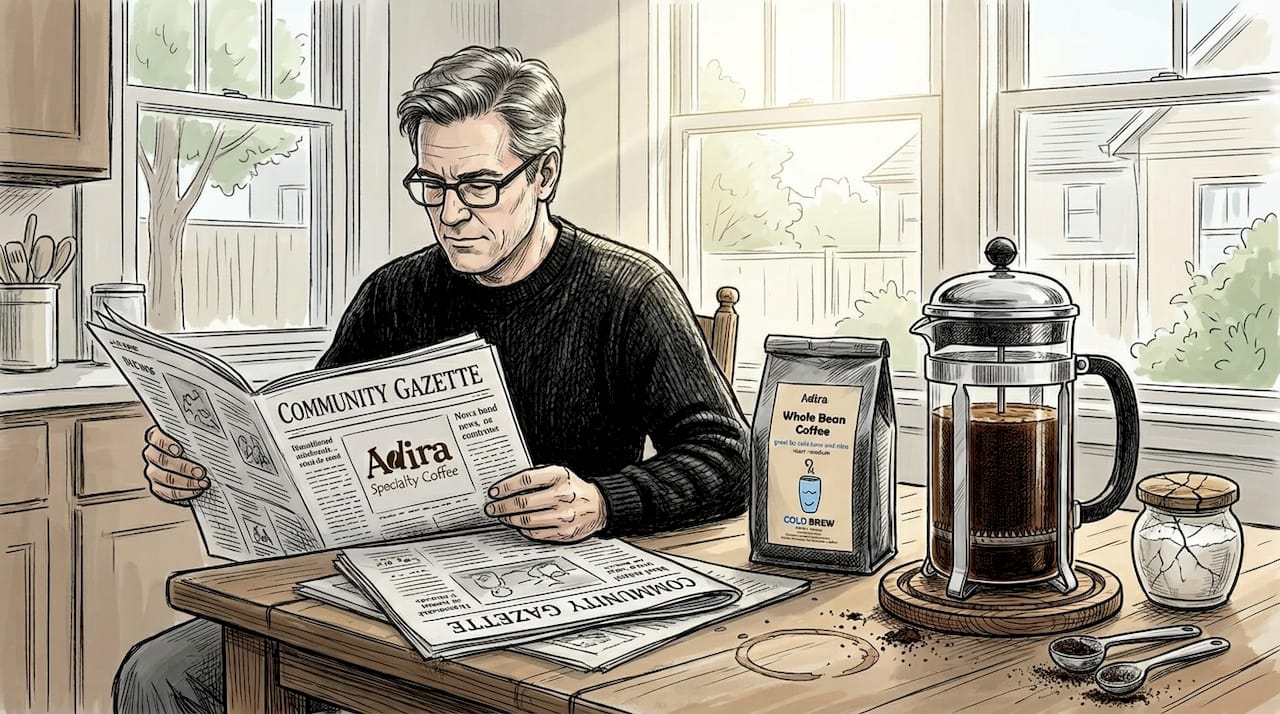
Immersion cold brew steeped in water yields smooth, full bodied flavor with low acidity. This method involves submerging coarse grounds in cold water for an extended period, allowing slow, even extraction. The result is a rich, mellow cup with chocolatey or nutty notes, depending on the bean. Immersion is the most forgiving method for beginners because it requires minimal equipment and delivers consistent results.
Cold drip slowly filters water through grounds, producing brighter, cleaner, more acidic coffee. This method uses a specialized tower or dripper that meters water drop by drop over coffee grounds, taking six to twelve hours to complete. Cold drip highlights delicate, floral, and fruity characteristics, making it ideal for light roast specialty beans. The slower extraction and continuous flow create a lighter body and more pronounced acidity compared to immersion.
Iced coffee is hot brewed coffee chilled quickly, retaining acidity and brightness. Brewing hot extracts oils and acids rapidly, then cooling over ice locks in those flavors. Iced coffee has a sharper, more vibrant taste with higher perceived acidity than cold brew. It’s faster to make but lacks the smooth, mellow quality that long cold extraction provides.
Cold brew generally has higher caffeine potential and lower acidity than iced coffee. The extended steep time extracts more caffeine from the grounds, while the cold water minimizes the release of acidic compounds. This makes cold brew easier on sensitive stomachs and delivers a bolder caffeine kick per ounce of concentrate.
| Method | Brew time | Body | Acidity | Caffeine | Equipment |
|---|---|---|---|---|---|
| Immersion cold brew | 12 to 18 hours | Full, smooth | Low | High | Jar, strainer |
| Cold drip | 6 to 12 hours | Light, clean | Medium to high | Medium | Drip tower |
| Iced coffee | 5 to 10 minutes | Medium | High | Medium | Brewer, ice |
Choosing a method depends on desired flavor profile and brewing time available. If you want a smooth, low acid concentrate you can dilute throughout the week, immersion cold brew is your best bet. If you prefer bright, complex flavors and have a cold drip setup, that method showcases delicate bean characteristics beautifully. If you need coffee fast and enjoy acidity, iced coffee delivers quick satisfaction.
- Immersion cold brew: best for smooth, full body, low acidity
- Cold drip: best for bright, clean, nuanced flavors
- Iced coffee: best for quick prep, high acidity, vibrant taste
For more on cold brew methods, explore detailed comparisons that break down equipment, technique, and flavor outcomes for each approach.
Explore specialty coffee beans and cold brew products
After mastering the brewing process, enhance your cold brew experience with premium beans and convenient products. Adira Coffee offers freshly roasted specialty coffee beans ideal for cold brew, sourced from renowned origins like Colombia, Ethiopia, Costa Rica, Guatemala, Brazil, and Sumatra. Each bean is roasted in small batches to ensure peak flavor and delivered at its freshest.
Ready made cold brew concentrate provides convenient quality and flavor when you want excellent cold brew without the wait. Explore blends like Ocean Blend for balanced sweetness or single origins like Ethiopia Natural for fruity, wine like complexity. Visit Adira Coffee for premium coffee selections and brewing guidance that help you get the most from every cup.
Frequently asked questions
How long should I steep cold brew coffee?
Steep cold brew for 12 to 18 hours in the fridge for balanced flavor and safety. This range allows full extraction of oils, sugars, and caffeine while keeping acidity low and taste smooth. Shorter steeps around 8 to 12 hours at room temperature can brighten fruity notes but increase spoilage risk. Adjust within this window based on your grind size and desired strength.
What grind size is best for cold brew coffee?
Use a coarse grind resembling sea salt to extract balanced flavor and minimize sediment. Coarse particles slow extraction, preventing the over extraction that causes bitterness. Avoid finer grinds that steep rapidly and release harsh, tannic compounds. A burr grinder ensures uniform particle size for consistent results.
Can I use light roast coffee for cold brew?
Light roasts bring fruity, nuanced flavors to cold brew, highlighting delicate notes like berry, citrus, and floral undertones. They work beautifully when you want to drink cold brew black and appreciate complexity. Medium dark roasts yield richer, chocolatey flavors suited for milk based drinks and those who prefer bold, smooth profiles. Experiment with both to find your preference.
How do I store cold brew concentrate?
Store cold brew concentrate in a sealed container refrigerated up to 2 weeks to preserve freshness and prevent spoilage. Glass jars with tight lids work best because they don’t absorb odors or leach flavors. Dilute with water, milk, or your preferred liquid just before serving to maintain optimal taste and texture. Mark the container with the brew date for easy tracking.
What is the difference between cold brew and iced coffee?
Cold brew is steeped in cold water for hours, yielding low acidity and smooth flavor, while iced coffee is hot brewed and chilled, retaining brightness and acidity. Cold brew generally has higher caffeine concentration due to the extended extraction time and concentrated ratio. Iced coffee offers a sharper, more vibrant taste and faster preparation. Choose cold brew for mellow, full body or iced coffee for quick, bright refreshment.
For more detailed guidance on grinding techniques, visit resources that explain how grind size impacts extraction and flavor across all brewing methods.