

TL;DR:
- Coffee concentrate is a highly potent coffee liquid brewed with less water than regular coffee, designed for dilution in drinks or recipes. Cold brew concentrate produces a smooth, low-acidity beverage, while hot brew concentrate offers quicker extraction but a sharper flavor, both requiring minimal equipment and proper storage. Using quality, fresh beans at a 1:4 ratio yields the best results, and proper filtration and storage extend its shelf life up to two weeks.
Coffee concentrate is a highly potent coffee liquid brewed with significantly less water than standard coffee, designed to be diluted before drinking. It gives you a flexible base for iced coffee, lattes, smoothies, and cocktails without sacrificing flavor. The cold brew method produces the smoothest, least acidic version, while hot brew concentrate works faster but tastes sharper. Whether you’re looking to cut your morning prep time or build a better at-home coffee routine, mastering concentrate changes what’s possible in your kitchen.
What is coffee concentrate and how does it differ from regular coffee?
Coffee concentrate is not the same as a strong cup of coffee. Regular brewed coffee uses a standard ratio of roughly 1 part coffee to 15–17 parts water. Concentrate flips that equation, using far less water to extract a dense, potent liquid meant for dilution. The result is a product you mix, not drink straight.
Cold brew vs. hot brew concentrate
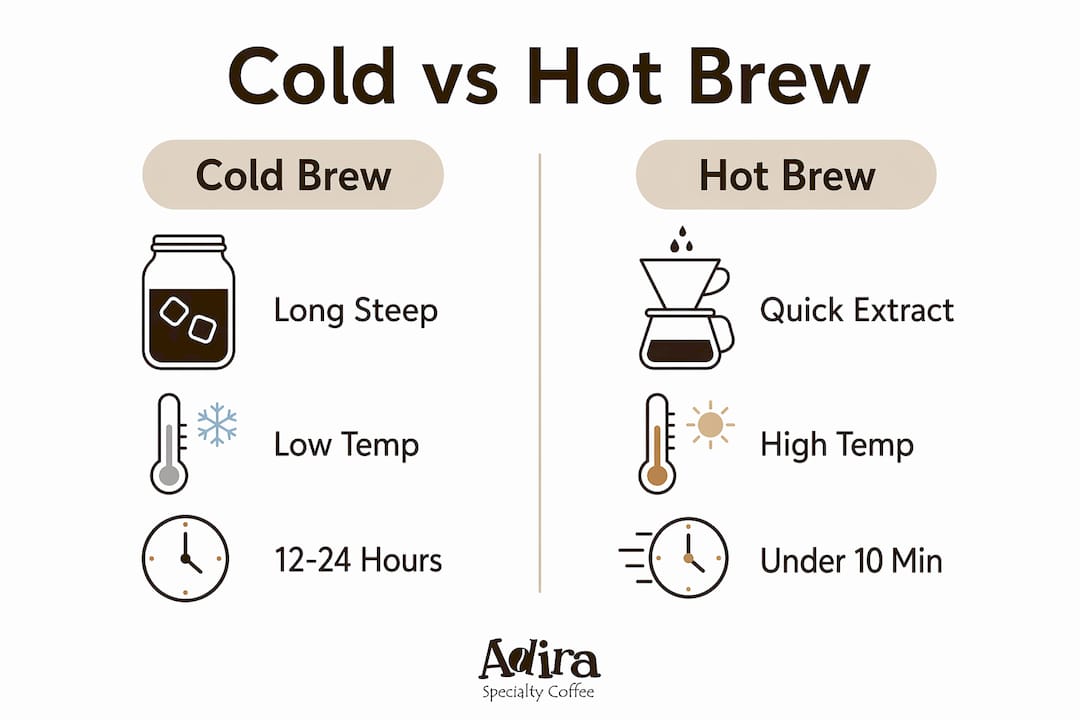
Cold brew coffee concentrate steeps coarsely ground coffee in cold or room-temperature water for 12–24 hours. The absence of heat means cold brewing avoids bitter oils and harsh acids, producing a smoother, lower-acidity drink. That’s why cold brew concentrate is the preferred choice for people with sensitive stomachs or those who find regular coffee too sharp.
Hot brew concentrate uses heat to extract coffee quickly, typically in under 10 minutes. The tradeoff is real: hot-brewed concentrates are more acidic and bitter, making them better suited for immediate use rather than storing in the fridge for a week. If you want speed and don’t mind a bolder, edgier flavor, hot brew works. If you want something you can keep and use across the week, cold brew wins.
How concentrate compares to instant coffee
Instant coffee dissolves completely in water and leaves no grounds to filter. Concentrate requires filtration and refrigeration. Instant coffee options are convenient but typically produce a thinner, less complex flavor. Concentrate, especially from quality single-origin beans, delivers a fuller taste profile that instant coffee rarely matches. The caffeine difference is also significant: cold brew concentrate contains 150–300 mg of caffeine per 8-ounce serving, well above what a standard cup of instant coffee provides.
How to make coffee concentrate at home
Making concentrate at home requires minimal equipment and rewards patience. The cold brew method is the most forgiving for beginners and produces the most versatile result.
What you need
- A coarse burr grinder
- Filtered water
- A large jar or pitcher (at least 32 oz)
- A fine mesh strainer or paper coffee filter
- A kitchen scale for accurate ratios
Cold brew concentrate: step-by-step
- Weigh your coffee. Use a 1:4 coffee-to-water ratio by weight. For 4 cups of water, use 1 cup of coarsely ground coffee. This is the standard cold brew concentrate ratio.
- Grind coarsely. A coarse grind is non-negotiable. Coarsely ground coffee prevents bitterness and keeps sediment out of your final product. Fine grinds clog filters and turn the concentrate muddy.
- Combine and stir. Add the grounds to your jar, pour in filtered water, and stir gently to saturate all the grounds.
- Steep in the refrigerator. Cover and refrigerate for 18–24 hours. Longer cold steeping increases concentration and smoothness, so don’t rush this step.
- Filter without pressing. Pour the mixture through a fine mesh strainer lined with a paper filter. Let gravity do all the filtration work. Never squeeze or press the grounds. Pressing forces fine particles and bitter oils through the filter, clouding your concentrate.
- Transfer and seal. Pour the finished concentrate into an airtight glass jar and refrigerate immediately.
Pro Tip: Use beans roasted within the last two to four weeks for the cleanest flavor. Stale beans produce flat, papery concentrate no matter how good your technique is. Adiracoffee roasts every bag to order and ships within days of roasting, so you start with genuinely fresh coffee.
Hot brew concentrate: step-by-step
Hot brew concentrate is faster but requires more attention. Bring filtered water to 200°F (just off the boil). Use a 1:4 to 1:6 coffee-to-water ratio depending on how strong you want the result. Brew directly into a heat-safe container using a pour-over method, a Chemex, or a Hario V60. The Chemex starting recipe from Adiracoffee is a solid reference point for ratios and pour technique. Allow the concentrate to cool completely before refrigerating. Use it within two to three days for the best flavor, since hot brew concentrate degrades faster than cold brew.
How to use coffee concentrate in drinks and recipes
The real value of concentrate is its flexibility. One batch covers a full week of different drinks without repeating yourself.
- Iced coffee: Mix concentrate with water or milk at a 1:1 ratio over ice. Adjust to taste. This is the most common use and the fastest morning drink you can make.
- Hot coffee: Dilute with hot water at a 1:1 or 1:2 ratio. The concentrate heats quickly, so you skip the brewing wait entirely.
- Lattes: Combine concentrate with steamed or frothed milk at a 1:2 ratio. Oat milk adds a natural sweetness that pairs well with Ethiopian or Colombian single-origin beans.
- Smoothies: Add 2–3 tablespoons of concentrate to a blender with banana, almond milk, and a frozen date. The coffee flavor integrates without watering down the smoothie.
- Cocktails: Concentrate works in espresso martinis and coffee-forward cocktails. Its density holds up against spirits better than brewed coffee.
Coffee concentrate works across multiple formats, from hot drinks to blended recipes, using 1:1 or 1:2 dilution ratios depending on the drink. That range means one jar covers your entire week without repetition.
Pro Tip: Label your jar with the brew date. After five days, taste before using. Concentrate past its prime turns flat and slightly sour, which ruins whatever drink you’re making.
For home brewers who want to understand how coffee acidity affects flavor in different dilutions, Adiracoffee’s guide on pH and taste is worth reading before you experiment with hot brew concentrate.
Storing coffee concentrate: shelf life and freshness
Proper storage is what separates a great batch from a wasted one. Homemade coffee concentrate stays fresh for up to 14 days when stored in an airtight container in the refrigerator. That two-week window applies specifically to cold brew concentrate. Hot brew concentrate is more acidic and degrades faster, so plan to use it within two to three days.
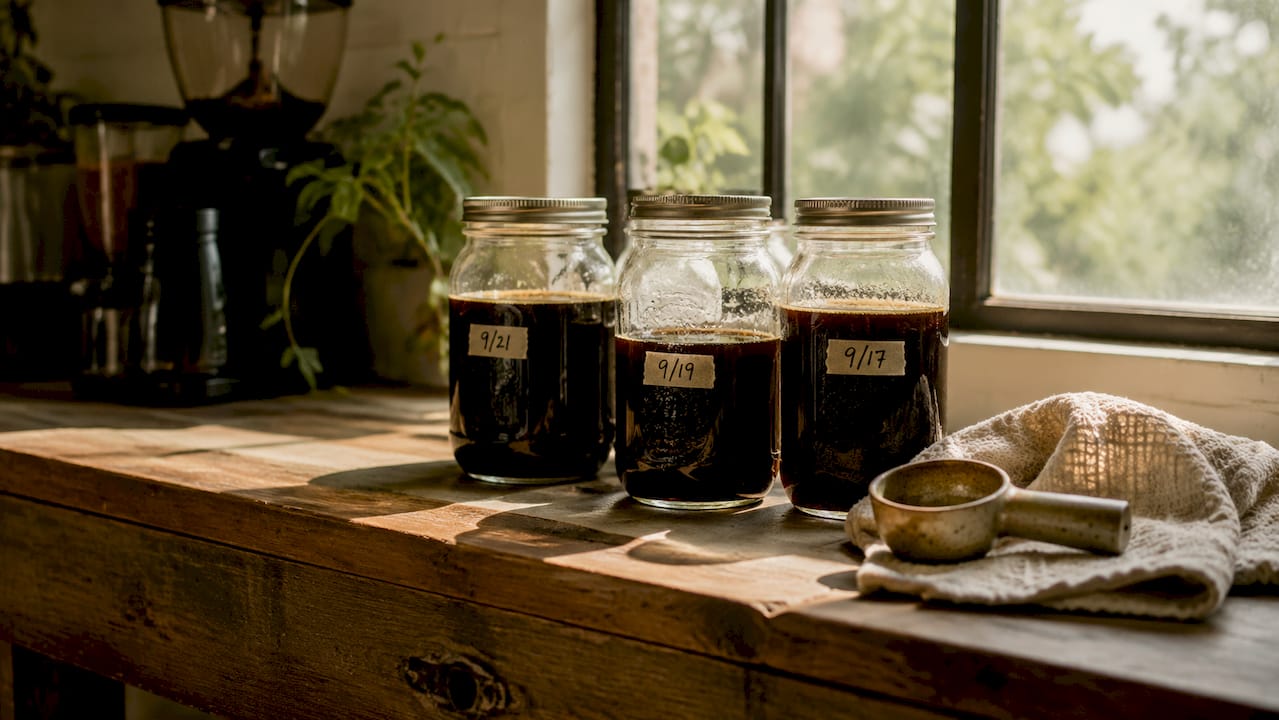
Glass jars with tight-fitting lids outperform plastic containers for concentrate storage. Plastic absorbs coffee oils over time and transfers off-flavors into the liquid. A 32-ounce mason jar works well for a standard batch. Keep the jar toward the back of the refrigerator where the temperature stays most consistent. The door is the worst spot because temperature fluctuates every time you open it.
Signs your concentrate has turned: a sour or vinegary smell, visible cloudiness that wasn’t there before, or a flat, lifeless taste. When you notice any of these, discard the batch and start fresh. Adiracoffee’s coffee storage tips cover the broader principles of keeping coffee fresh, which apply directly to concentrate as well.
Pro Tip: Freeze concentrate in ice cube trays for longer storage. Pop a few cubes into a glass of milk for an instant iced latte without diluting the flavor.
Common mistakes when making coffee concentrate
Most failed batches trace back to one of five errors. Knowing them in advance saves you a week of bad coffee.
- Grind too fine. Fine grounds clog your filter, slow filtration to a crawl, and push bitter compounds into the concentrate. Always use a coarse grind, similar to coarse sea salt in texture.
- Wrong ratio. Going too light on coffee produces a weak concentrate that tastes like regular coffee after dilution. Going too heavy makes it undrinkably bitter. The 1:4 ratio is the proven starting point.
- Pressing the filter. Squeezing the grounds during filtration is the single fastest way to ruin an otherwise good batch. Let gravity pull the liquid through. Patience here pays off in clarity and taste.
- Using stale beans. Old beans produce flat, papery concentrate. Freshness of the beans matters more in concentrate than in any other brew method because you’re extracting a higher volume of compounds from each gram of coffee.
- Storing in the wrong container. Plastic containers and loosely sealed lids accelerate oxidation and off-flavor development. Use glass with an airtight seal every time.
For a deeper look at how bean freshness affects flavor, Adiracoffee’s freshness guide breaks down exactly what happens to coffee compounds as beans age.
Key takeaways
Cold brew coffee concentrate, made at a 1:4 ratio with coarsely ground beans and filtered through gravity, produces the smoothest, most versatile coffee base you can store for up to two weeks.
| Point | Details |
|---|---|
| Use the right ratio | A 1:4 coffee-to-water ratio by weight is the standard starting point for cold brew concentrate. |
| Grind coarsely | Coarse grounds prevent bitterness and sediment; fine grounds ruin the batch. |
| Filter without pressing | Let gravity pull liquid through the filter to keep concentrate clear and clean. |
| Store in glass, airtight | Glass jars preserve flavor; cold brew concentrate stays fresh for up to 14 days refrigerated. |
| Dilute to your taste | Use a 1:1 or 1:2 ratio for most drinks; adjust based on the beverage and your preference. |
Why cold brew concentrate changed how I think about home coffee
I spent years treating cold brew as a summer drink. That was a mistake. The moment I started keeping a jar of concentrate in the refrigerator year-round, my entire morning routine got faster and better at the same time.
The thing most guides don’t tell you is that the bean matters more in concentrate than in any other method. When you’re extracting at a 1:4 ratio, every flaw in the bean shows up amplified. I’ve run the same technique with mediocre grocery-store beans and with Adiracoffee’s single-origin Colombian, and the difference is not subtle. The Colombian produces a concentrate with a natural sweetness that holds up through dilution. The grocery-store version tastes flat by day three.
My honest advice: don’t experiment with ratios until you’ve nailed the technique with a bean you trust. Get the process right first. Then start adjusting steeping time, water temperature, and dilution to find your preferred profile. Cold brew concentrate rewards patience and punishes shortcuts. Once you find your formula, you’ll wonder why you ever brewed cup by cup.
— Stefan
Adiracoffee’s cold brew and mushroom coffee options
Adiracoffee roasts every bag in small batches in California and ships within days of roasting, so the beans you use for concentrate are genuinely fresh when they arrive. That freshness is the foundation of a good batch.
For home brewers who want a ready-made option, Adiracoffee’s cold brew coffee is built specifically for concentrate-style preparation. If you want something with an added dimension, the mushroom coffee dark roast brings a rich, earthy depth that works particularly well as a concentrate base. For the fastest possible option, the instant mushroom coffee dissolves in seconds and skips the steeping process entirely. All three ship free on US orders over $35, with a 10% discount available on subscription.
FAQ
What is the best coffee-to-water ratio for concentrate?
The standard cold brew concentrate ratio is 1:4 coffee to water by weight. Hot brew concentrate ratios range from 1:4 to 1:10 depending on the method and desired strength.
How long does homemade coffee concentrate last?
Properly stored cold brew concentrate in an airtight glass container lasts up to 14 days in the refrigerator. Hot brew concentrate is best used within two to three days.
Can you make coffee concentrate without special equipment?
A large jar, a fine mesh strainer, and a paper coffee filter are all you need. No special equipment is required for the cold brew method.
Is cold brew concentrate stronger than espresso?
Cold brew concentrate contains 150–300 mg of caffeine per 8-ounce serving, which is comparable to or higher than a double espresso. Strength depends on your ratio and steeping time.
What coffee beans work best for making concentrate?
Single-origin beans with medium to dark roast profiles produce the cleanest, most balanced concentrate. Fresh beans roasted within the past four weeks give the best extraction results.