

The best coffee and tea stores in the US right now are The Coffee Bean & Tea Leaf, Coffee & Tea Collective, and Baltimore Coffee & Tea. Each earns its place for different reasons: product breadth, specialty sourcing, or a heritage roasting approach that prioritizes freshness over shelf life. If you want the short version before diving in, Baltimore Coffee & Tea wins on freshness credentials, Coffee & Tea Collective wins on artisan curation, and The Coffee Bean & Tea Leaf wins on sheer convenience and range.
| Store | The Coffee Bean & Tea Leaf | Coffee & Tea Collective | Baltimore Coffee & Tea |
|---|---|---|---|
| Product range | Extensive: coffees, teas, equipment, branded merchandise | Curated specialty coffees and artisan teas | Specialty roasted coffees, loose leaf teas, gifts |
| Freshness/roast info | Roast dates vary by product; large-scale distribution | Freshly sourced, small-batch focus | Roasts to order; freshness is a core brand promise |
| Shipping/locations | US retail stores nationwide plus online | San Diego café and online | Online shipping with free shipping offers |
| Subscription options | Online ordering; loyalty program available | Not publicly listed | Available |
| Sourcing transparency | International sourcing; general origin info | Intentionally sourced, education-focused | Family heritage since 1895; specialty-grade focus |
| Best for | Variety and convenience | Enthusiasts in San Diego area | Freshness-first buyers nationwide |
| Google rating | 4.2 | 4.7 | 4.6 |
What do leading coffee and tea stores actually offer?
The Coffee Bean & Tea Leaf carries one of the widest selections of any US specialty retailer: single-origin coffees, signature blends, flavored options, loose leaf teas, cold brew, and branded equipment. Its loyalty program, The Bean Rewards, gives regular buyers points toward free drinks and products. For shoppers who want everything under one roof, physical or digital, it delivers.
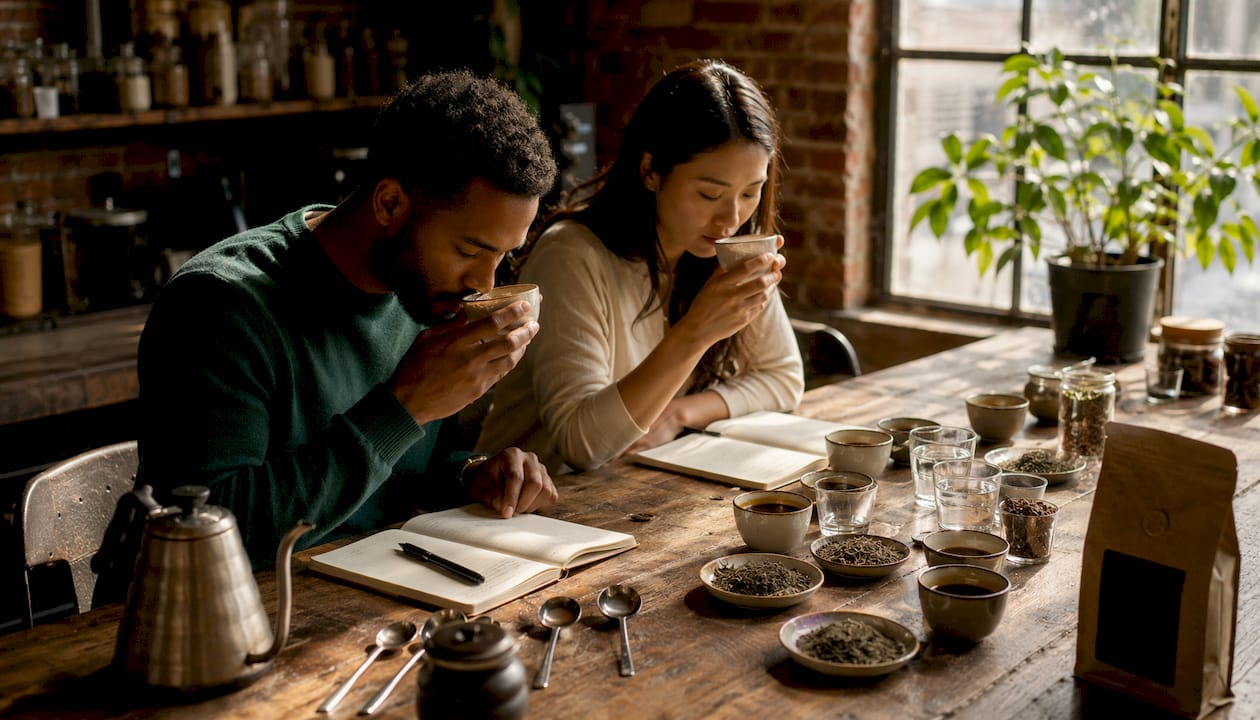
Coffee & Tea Collective takes the opposite approach. The San Diego café stocks a tight, intentional selection of specialty coffees and artisan teas, with an emphasis on education. Think cupping events, staff who can explain processing methods, and a menu that changes with the seasons. It suits the buyer who wants to learn as much as drink.
Baltimore Coffee & Tea has operated since 1895, and that history shows in how the company talks about its product. Roasting to order is central to its pitch, and free shipping offers make online buying accessible. The tea selection runs deep, with loose leaf options across green, black, oolong, white, and herbal categories.
- Coffee products: single-origin beans, signature blends, flavored coffees, cold brew, espresso roasts
- Tea products: loose leaf green, black, oolong, white, herbal, and specialty blends
- Accessories: grinders, brewers, storage containers, and gift sets at select retailers
- Purchase formats: one-time online orders, subscriptions, in-store, and loyalty programs
How do you choose quality coffee and tea products?
Freshness is the single biggest variable most buyers overlook. For coffee, the roast date tells you far more than a best-by date ever will. Specialty coffee hits its peak flavor between 5 and 21 days after roasting; beyond that window, quality drops noticeably regardless of how the bag is sealed.
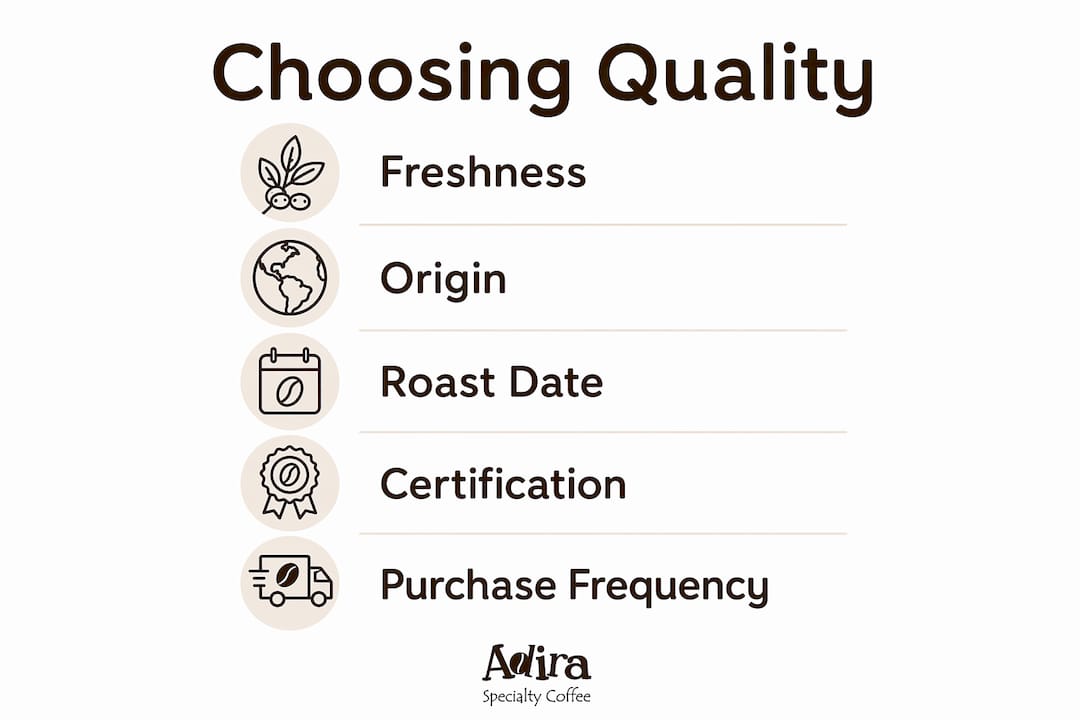
Origin specificity separates real specialty from marketing. A label reading “Colombian blend” is vague by design. A bag that names the farm, cooperative, elevation, and varietal is a roaster being accountable for sourcing. The more specific the story, the more likely someone actually traced it.
Processing method shapes flavor more than most buyers realize. Washed coffees taste clean and bright; natural-processed coffees run fruity and full-bodied; honey-processed sits in between. Knowing which you prefer helps you shop with intention rather than guessing from tasting notes.
For tea, storage is where most people go wrong. Tea absorbs surrounding aromas fast, so keeping it away from coffee is not optional. Pu-erh and aged dark teas are the exception to the airtight rule: they need breathable storage like unglazed ceramic or original paper wrapping to continue aging properly.
- Buy whole beans and grind immediately before brewing. Pre-ground coffee loses most of its volatile aromatics within 15–30 minutes of grinding.
- Check for a roast date, not just a best-by date.
- Look for named origin details: farm, region, varietal, and processing method.
- Store coffee in an airtight, opaque container at room temperature, away from heat and light.
- Keep tea in a separate cabinet from coffee and spices.
Pro Tip: Buy smaller quantities more often rather than one large bag every few months. Frequent small purchases keep every cup in the peak freshness window.
What separates specialty-grade coffee from everything else?
Specialty coffee requires a score of 80 points or above on the Specialty Coffee Association’s 100-point cupping scale. That threshold means distinct, desirable flavor characteristics and minimal defects. Most grocery store coffee never gets scored at all.
Roasting to order in small batches is the clearest operational signal that a roaster prioritizes flavor over logistics. Large-scale roasters batch for shelf stability; small-batch roasters batch for taste. The difference shows up in the cup within the first week after roasting.
Ethical sourcing and farm-level traceability go together. Roasters who publish farm names, cooperative relationships, and harvest details are accountable in a way that vague “premium blend” language never is. That accountability tends to produce better coffee because the roaster has a real relationship with the producer, not just a broker invoice.
- Cupping scores above 80 on the SCA scale confirm specialty grade.
- Small-batch, to-order roasting preserves flavor compounds that large-scale production sacrifices.
- Farm-level origin detail signals genuine traceability.
- Proper storage: airtight, opaque containers at room temperature, away from heat, light, and moisture.
Which store fits your needs?
The right coffee and tea store depends on what you actually value. Convenience and variety point toward The Coffee Bean & Tea Leaf. Craft curation and an in-person specialty experience point toward Coffee & Tea Collective in San Diego. Freshness-first buying with a long heritage behind it points toward Baltimore Coffee & Tea.
- Prioritize freshness: look for roast-to-order operations with visible roast dates.
- Prioritize variety: choose retailers with broad coffee and tea catalogs plus accessories.
- Prioritize sourcing ethics: look for farm-level origin details and cooperative relationships.
- Regular buyers: check for subscriptions and loyalty programs that reduce cost over time.
- Tea drinkers: verify that the retailer separates storage and ships in smell-isolated packaging.
What do customers say about these stores?
Customer feedback across these three retailers reflects their different strengths. The Coffee Bean & Tea Leaf earns consistent praise for product variety and store accessibility, with a Google rating of 4.2. Coffee & Tea Collective holds a 4.7 rating, with reviewers frequently citing knowledgeable staff and the quality of its curated selection. Baltimore Coffee & Tea sits at 4.6, with customers highlighting the freshness of roasted-to-order beans and the depth of the tea catalog.
Across all three, the most common complaint is inconsistency in shipping times for online orders. Buyers who prioritize freshness should factor estimated delivery windows into their roast-date math.
What are the return and refund policies?
Return policies vary by retailer and are not always prominently listed. The Coffee Bean & Tea Leaf handles returns through its customer service team, with policies differing between in-store and online purchases. Baltimore Coffee & Tea and Coffee & Tea Collective do not publicly list detailed return windows on their main pages; contacting each retailer directly before purchasing is the safest approach if returns matter to you.
For perishable products like roasted coffee, most specialty retailers will replace or refund orders damaged in transit but do not accept returns on opened bags.
Where are the physical stores located?
The Coffee Bean & Tea Leaf operates retail locations across California, Nevada, and other US states, plus an extensive international footprint. Its store locator on the brand’s website lists current hours and addresses.
Coffee & Tea Collective is based in San Diego, California, with café hours that vary by location. Baltimore Coffee & Tea operates primarily as an online retailer with roots in Maryland, making its full catalog accessible nationwide without requiring a local visit.
Adiracoffee roasts to order from California
If the stores above don’t quite fit, Adiracoffee offers a different path to fresh specialty coffee. Founded by Stefan and Ekaterina Nedelchev, the brand was built around one frustration: finding a bag at the supermarket worth a second cup. Every bag is roasted in small batches in California and shipped within days of roasting, so the roast date on your bag is always recent.
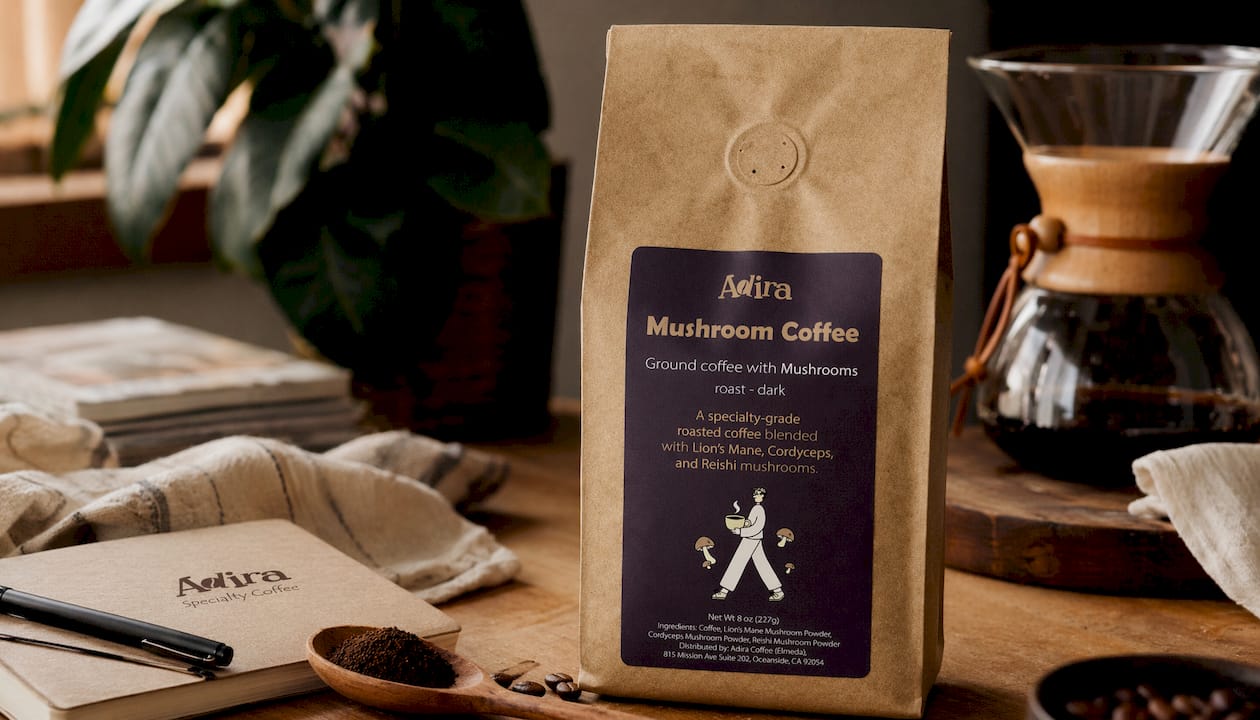
Adiracoffee sources single-origin beans from cooperatives and small farms in Colombia, Ethiopia, Costa Rica, Mexico, and Sumatra. The single-origin collection covers a range of roast levels and origins, and a subscription saves 10% with free US shipping over $35. For something different, the functional coffee and tea line adds health-focused ingredients to the specialty coffee format. No warehouse delays, no mystery roast dates.
Key Takeaways
The best coffee and tea stores earn their reputation through roast-date transparency, specific origin labeling, and purchase formats that keep freshness intact from roaster to cup.
| Point | Details |
|---|---|
| Roast date over best-by date | Specialty coffee peaks between 5 and 21 days after roasting; a best-by date tells you nothing useful. |
| Origin specificity signals quality | Farm, cooperative, and varietal details reflect real traceability, not just marketing language. |
| Storage separates coffee and tea | Tea absorbs coffee aromas rapidly; keep them in separate, airtight, opaque containers. |
| Subscription programs save money | Regular buyers at most specialty retailers can save through subscriptions and loyalty programs. |
| Adiracoffee for roast-to-order freshness | Small-batch California roasting with single-origin sourcing and subscription options from $35 free shipping. |